
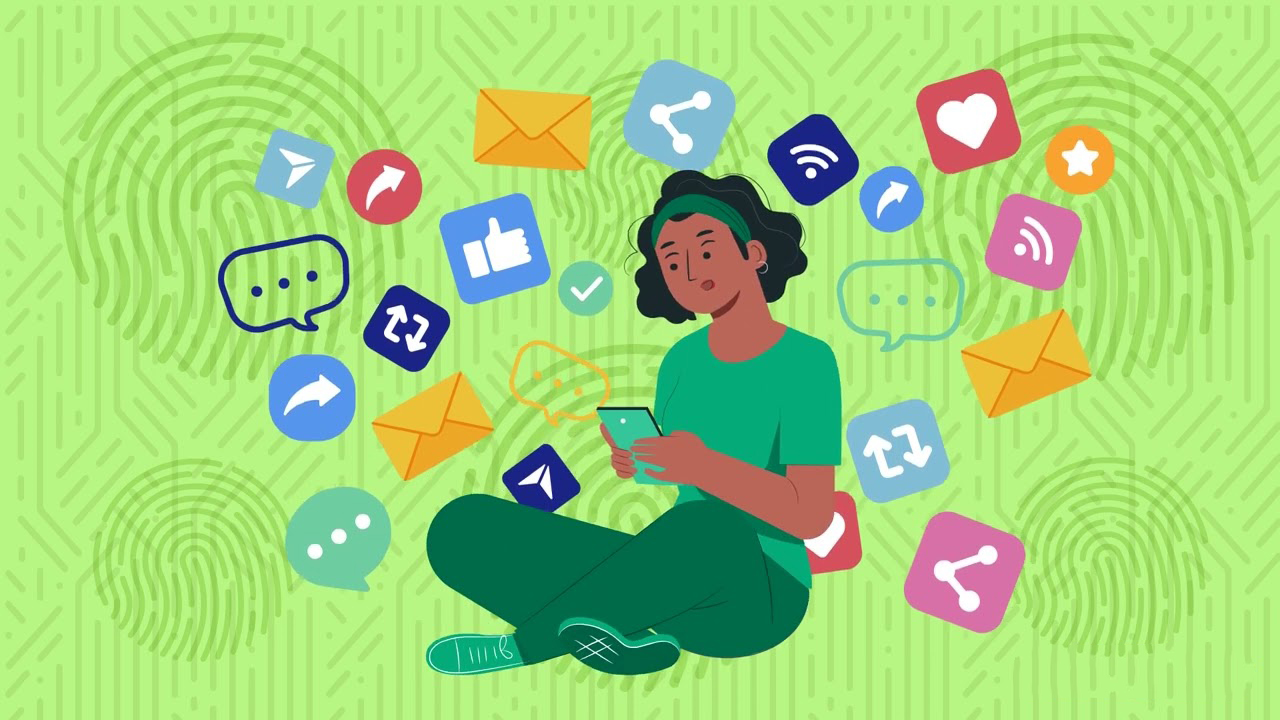
The concept of privacy has evolved far beyond simply closing doors. We’ve long entered the era where our digital lives have become inextricably linked with our physical existence. I am queer and brown. I am conscious of how my digital footprint is weaponized in a political climate that seems increasingly hostile to marginalized identities. This is my act of self defense.
The Political Reality of Digital Spaces
The aftermath of the 2016 election revealed something chilling about our digital footprint. We live in carefully curated bubbles. We allow algorithms to shape our worldview while simultaneously feeding them unprecedented amounts of personal data. Martha Fay Burtis notes how we’ve largely “abdicated our responsibility” in understanding how the Web fundamentally shapes our social and political landscapes.
But how have our digital footprints been commodified without our awareness or consent? Every Tweet, every liked post, every viewed Reel becomes part of a broader narrative about who we are. At least, who we are to the algorithm. We have become data points that can be analyzed, categorized, and used against us. Additionally for those of us who exist at the intersection of marginalized identities, this digital surveillance carries extra weight. Our online presence evolved beyond just self-expression. It’s about survival in an era where personal information can be leveraged for political gain.
Navigating Privacy and Community
Before we get too in the weeds, let’s consider how social media platforms track our activity. Not just our explicit actions but also our “metadata” i.e. the hidden traces of our online behavior. As Lindsey C. Kim explains, this data-about-data is “the most invisible of the data that we produce online.” Hence for marginalized communities, this silent footprint becomes particularly concerning. Especially when we consider how it is used to identify, track, or target individuals based on their political beliefs, or social connections.
Still, complete digital withdrawal isn’t the answer. Instead, we need to approach our online presence with greater intentionality and awareness. This means understanding that every digital action we take leaves a trace that could potentially be used to profile us. For those of us who exist in bodies that are already politicized, the stakes are particularly high. We must balance the need for community and connection with the reality that our digital footprints could be used to track our movements or influence our communities.
Therefore, we must advocate for digital spaces that protect rather than exploit marginalized identities. This means pushing for and supporting platforms that prioritize our privacy, and educating our communities about digital security. Our digital footprints tell stories about who we are, what we believe, and what we love. Despite living in an age where these stories can be weaponized against us, we must become more conscious authors of our digital narratives. All the while fighting for spaces where we can exist safely and authentically online.


Leave a Reply