
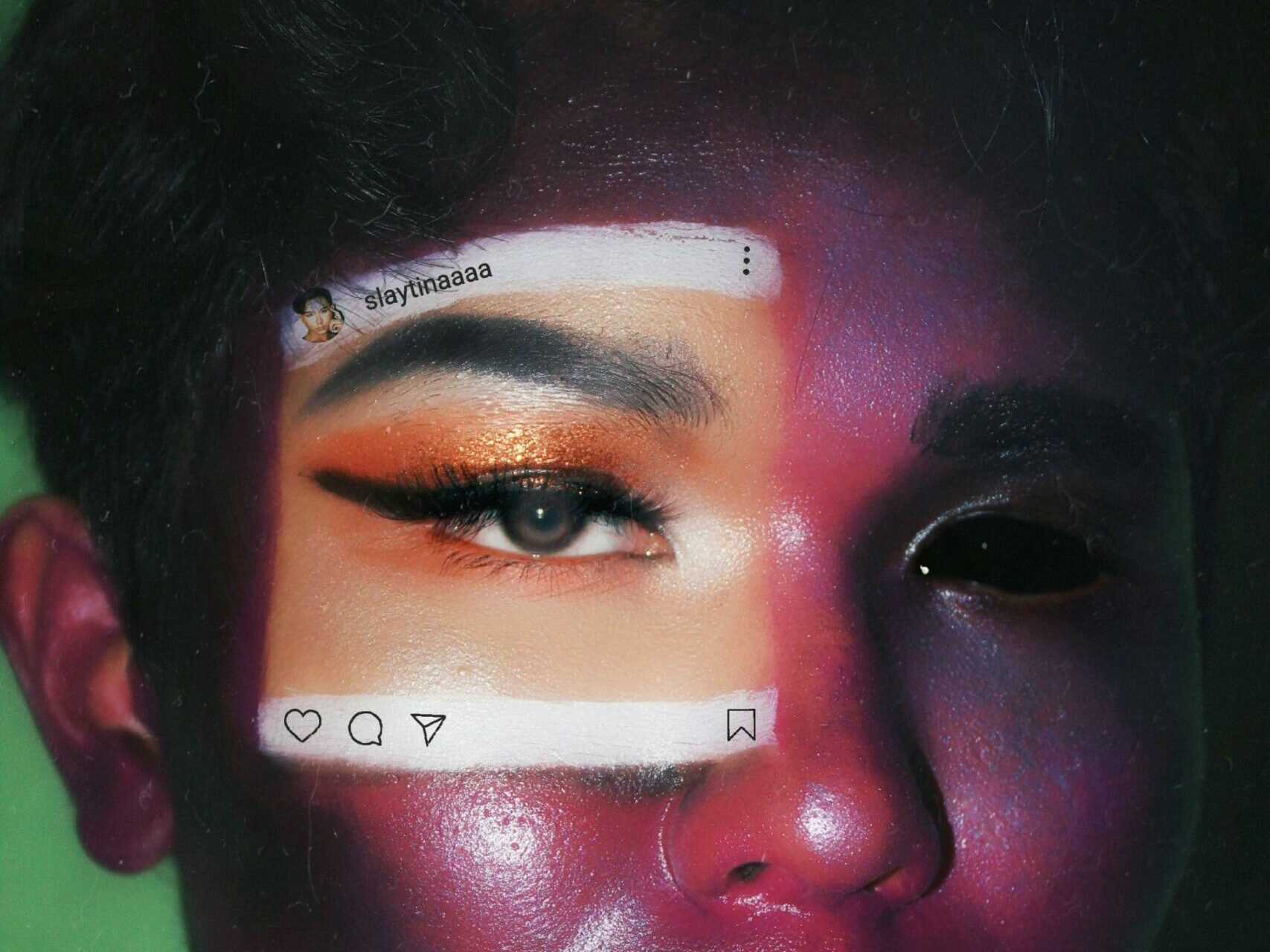
Ever wondered why we call everything “digital” these days? From art to natives, this buzzword has become so common that we rarely stop to think about what it actually means. As someone who spends their days navigating online spaces, I’ve been fascinated by how this simple concept shapes our entire modern experience.
Interestingly enough, this isn’t just about computers and smartphones. In its most basic form, digital systems are about discrete values. Think of it like the difference between a light switch (digital: on/off) and a dimmer (analog: continuous range). However, what makes this concept truly powerful is how it fundamentally changed human communication.
Back in 1948, a mathematician named Claude Shannon had a revolutionary idea: any message could be broken down into a stream of 1s and 0s. While this might seem obvious now, this insight transformed everything. As a result, we can now share photos, videos, and thoughts across the globe instantly—all because we figured out how to turn our analog world into digital code.
Where Human Meets the (Digital) Machine

Perhaps most fascinating is how “digital” connects to our physical reality. Surprisingly, the word itself comes from the Latin “digitalis,” referring to fingers and toes, our first tools for counting and making sense of the world. In this way, digital technology isn’t just about computers; it’s about how humans have always tried to break down complex realities into manageable pieces.
Nevertheless, this revolution comes with its complexities. While these systems make perfect copies possible and allow for unprecedented sharing of information, they also fragment our experience into discrete chunks. Think about how we’ve reduced complex human emotions to emoji reactions or compressed rich conversations into character-limited tweets.
Looking Forward
As we continue deeper into the tech age, understanding these foundations becomes increasingly important. Digital isn’t just a technical term, it’s a fundamental shift in how we interact with the world and each other. Moving forward, we need to be mindful of both its power and limitations.
The beauty of technology lies in its simplicity: everything reduced to 1s and 0s. Yet from this simplicity emerges the rich, complex digital world we inhabit today. That’s a paradox worth pondering as we shape our increasingly digital future.


Leave a Reply