
New media challenges traditional categories. In a simpler sense, it must redefine older media versions it derives from. (Jay Bolter and Richard Gruisin, 1999). Essentially, this concept is remediation on steroids. Cynthia Selfe compares it to multimedia: film, video, text, audio, art, etc. Multimedia gauges the 5 senses and apparently so does new media. It takes from older media by functioning as a multi-medium facet. One thing I want to specifically hone in on, is the manipulation of such functions.
Selfe believes new media is a form of writing that requires literacies that should be added to academic curriculum. She uses the example of alphabetical manipulation. For example, alphabet letters are trapped in traditional pages. Once it’s there in print, it cannot be changed, argued with, or manipulated. Whereas digitally, they can. Text written in a digital environment can have different colors, fonts, and formatting. Once it’s there, the designer can change it as they see fit. Whether that change be in a matter of seconds, days, weeks, months—it does not matter.
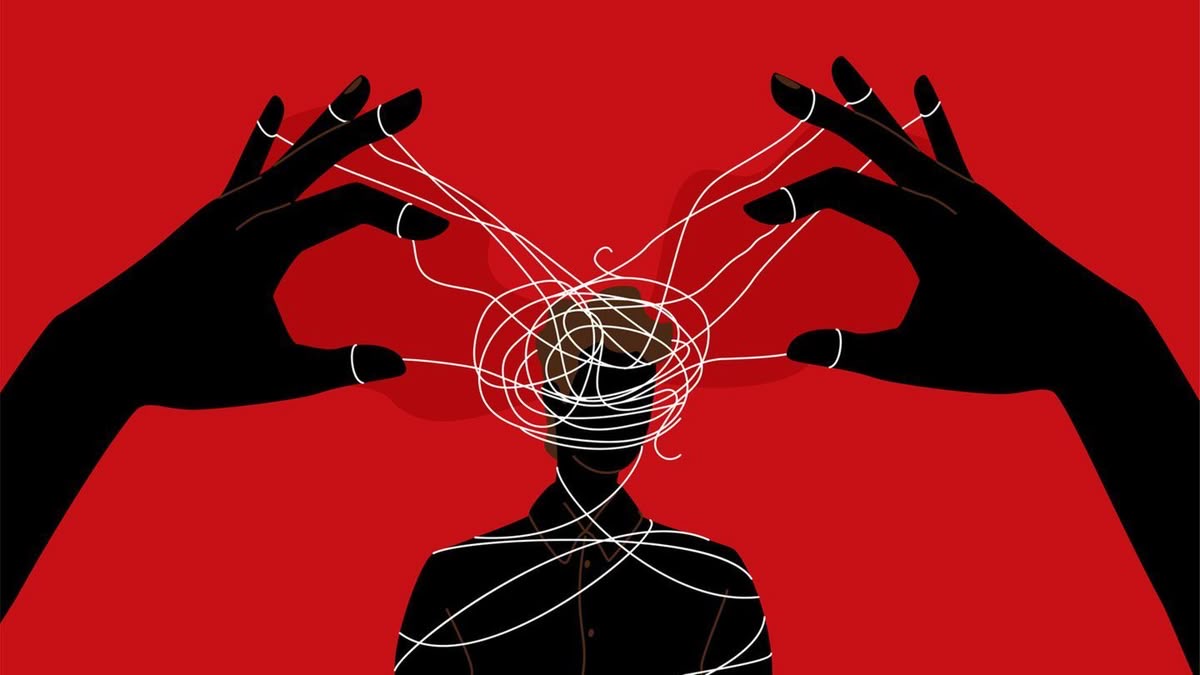
This is important because if something as minuscule as letters can be manipulated, so can audience experiences. Anne Wysoki (2004) does not believe new media is just for digital spaces. But is also all in the hands of the designer. The designer of new media is conscious that their choices affect user interpretation, reaction, experience, and so much more. It goes as far as how this can contribute to who we are as people and how we function. The manipulation that new media allows is beyond this screen. It’s in our psychical and psychological worlds.
To read my previous blog post, click here!


Leave a Reply