
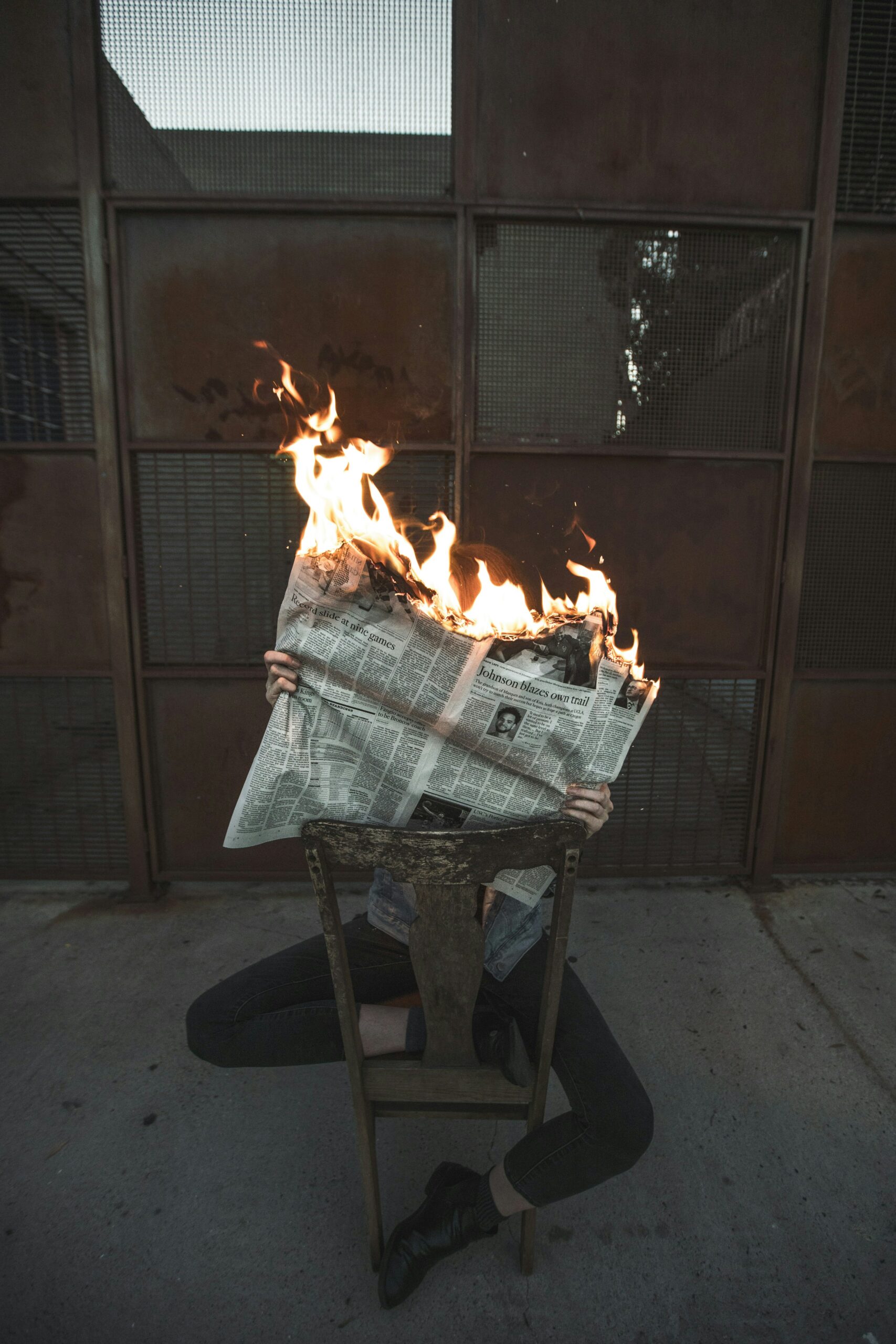
Speaking, Writing, and Literacy explores communication and making distinctions between old and new media. Thinking about technology, one does not think about writing as a part of technology. Paper and pencils are ancient tools compared to the technology we have now. Many call this the “information age,” although computers were invented in the 1980s. Writing falls under the category of technology because it extends the human memory and shapes the way we think, and requires the use of tools.
Communication Differences
Indigenous peoples used oral language with no written components. Communication differs when referencing oral and computer language. Unlike oral language, computer language needs to be designed before it is used and is based on technology, whereas oral language uses the day-to-day interaction of people who communicate with each other. For example, the joy we experience when we communicate with family members or listen to music.
There are distinct differences between human speech and computer-generated speech. Things can be taken out of context. Human language can be interpreted depending on the circumstance or the speaker, but computer speech is not so much. Natural human language is developed over time and involves new ways to express yourself; there is always new slang. When this happens, slang words gain widespread use and become an official part of the language, written down in dictionaries.
Old Media versus New Media
Walter Ong describes states differences between both. Old media as print, or manuscripts, and digital, hypertext, and web content, as new media. A significant difference between them is that old media is stabilized in fixed text. This means that written language allows for concepts to be made plain. Written text could be analyzed and re-read. There is a linear structure within it, which allows for systematic study. Digital media lacks stability; it can be moved around, interpreted, and combined. Digital media is modular and encompasses the use of text, images, and videos, which can change depending on the audience and time. Overall, effective web writers must be media-literate and encompass both rhetorical and technical know-how.


Leave a Reply