
I didn’t know about new media and literacy until I took ENG 3080. I consider new media to be the platforms we use like websites, apps, and social media which allows us to communicate and interact with each other. And literacy in the digital sense refers to the ability to read, write and understand using digital tools on these platforms. Therefore, new media and literacy is the ability to analyze content using digital tools on these platforms. Scholars like Lev Manovich describes new media technologies as modularity.
Modularity means pieces of information keep their own identity and stay independent even when combined with something larger. For example, images like JPEGs or GIFs on a website doesn’t change when added through HTML. (Applen 28). Each image or media piece is a separate part that helps build the whole site without losing its own form.
Another characteristic of new media is variability, the ability of modular units to be mixed and rearranged in countless ways. Manovich sees this as a feature of new media that is never fixed. This flexibility allows people to interact with content in their own unique ways, supporting individuality. Some believe this makes new media superior to old media like print, but I think traditional media can also be experienced differently depending on how each reader interprets the text.
Differences Between Traditional and New Media
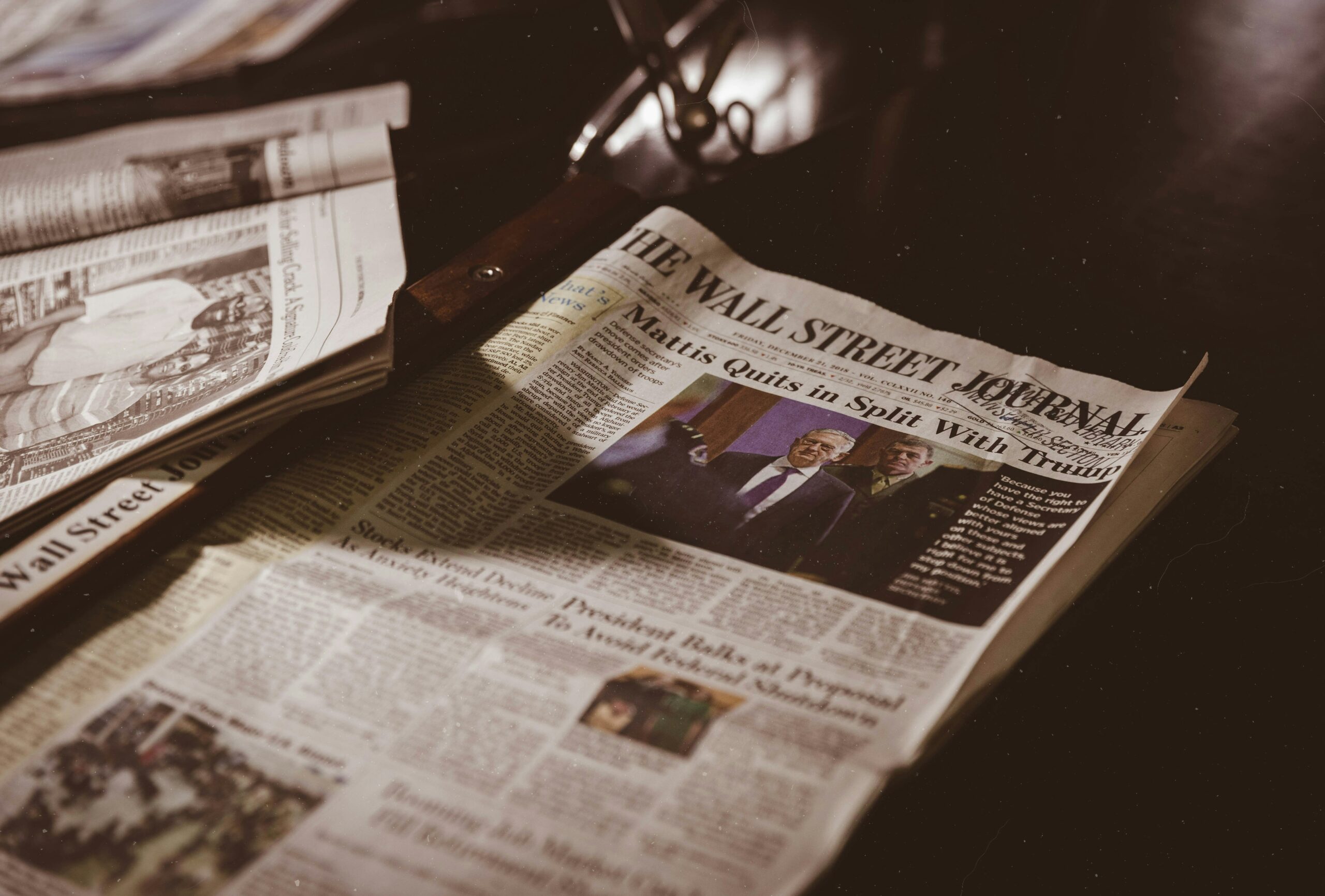
Traditional media like books are built on narratives. A sequence of scenes in a specific order to express the author’s thoughts and meaning. Each scene can stand alone but together they form a story that depends on structure and order. Databases work differently. They are made up of modular units that could be rearranged in any order, all parts are of equal importance. Unlike traditional media (books), a database doesn’t need a storyline to make sense.
Databases “presents the world as a large, unstructured collection of texts, images, and data” (Applen 29). Traditional stories are incomplete without structure, whereas databases feel complete without it. An example of this is websites. Websites are made up of images, text, which are flexible and can be easily removed without losing meaning unlike books. New media follows a different logic from traditional media, one values flexibility rather than a fixed sequence and structure.


Leave a Reply