
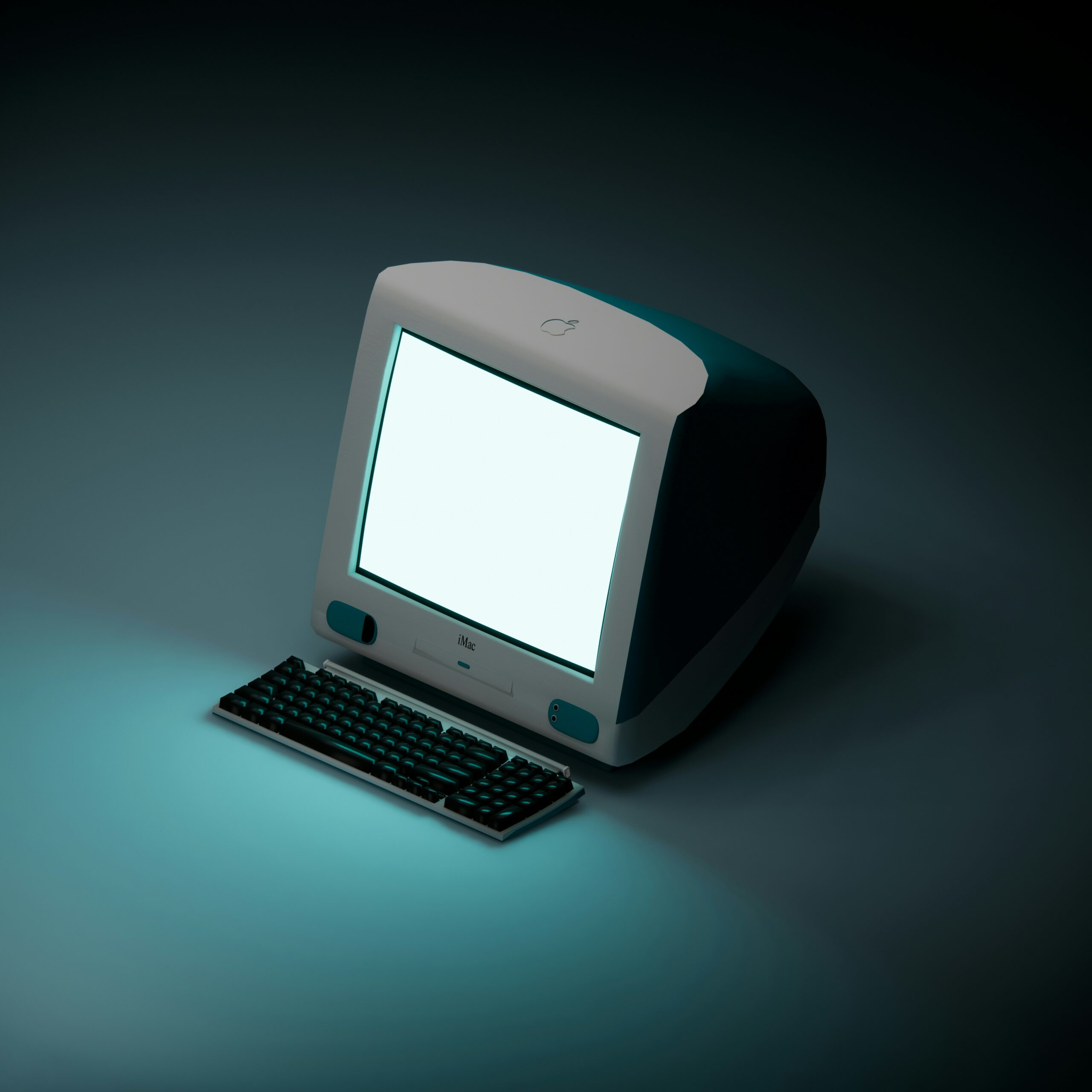
Human-Computer Interaction is all about how people use technology and how technology influences what we do. Every app, website, or game is designed to guide our choices. Buttons, menus, and notifications aren’t random, they show us what designers want us to click or notice. This means human-computer interaction is more than just using a device; it is a type of digital communication that shapes our behavior.
When designers of apps think about human-computer interaction, they consider what is easy to use and what is confusing. A good interface helps people complete tasks quickly, while a confusing one can stop them from finishing. Designers also consider accessibility, making sure everyone can use their products, not just certain groups. How a device or website is designed can send messages about who is important, whose voice matters, and what behavior is expected.
I notice human-computer interaction every day life . For example, when I use my phone to check Canvas or play a game, some buttons are easy to find while others are hidden. This guides my actions without me even realizing it. On social media, notifications and likes encourage me to keep scrolling and interacting. As Eyman points out, these interfaces are not neutral—they are designed to persuade users and influence behavior. These experiences show that technology communicates with us and affects the choices we make.
Learning about human-computer interaction helps us understand how technology shapes our decisions. Knowing this can help us use technology more effectively and even design better, fair digital tools that work for everyone.


Leave a Reply