
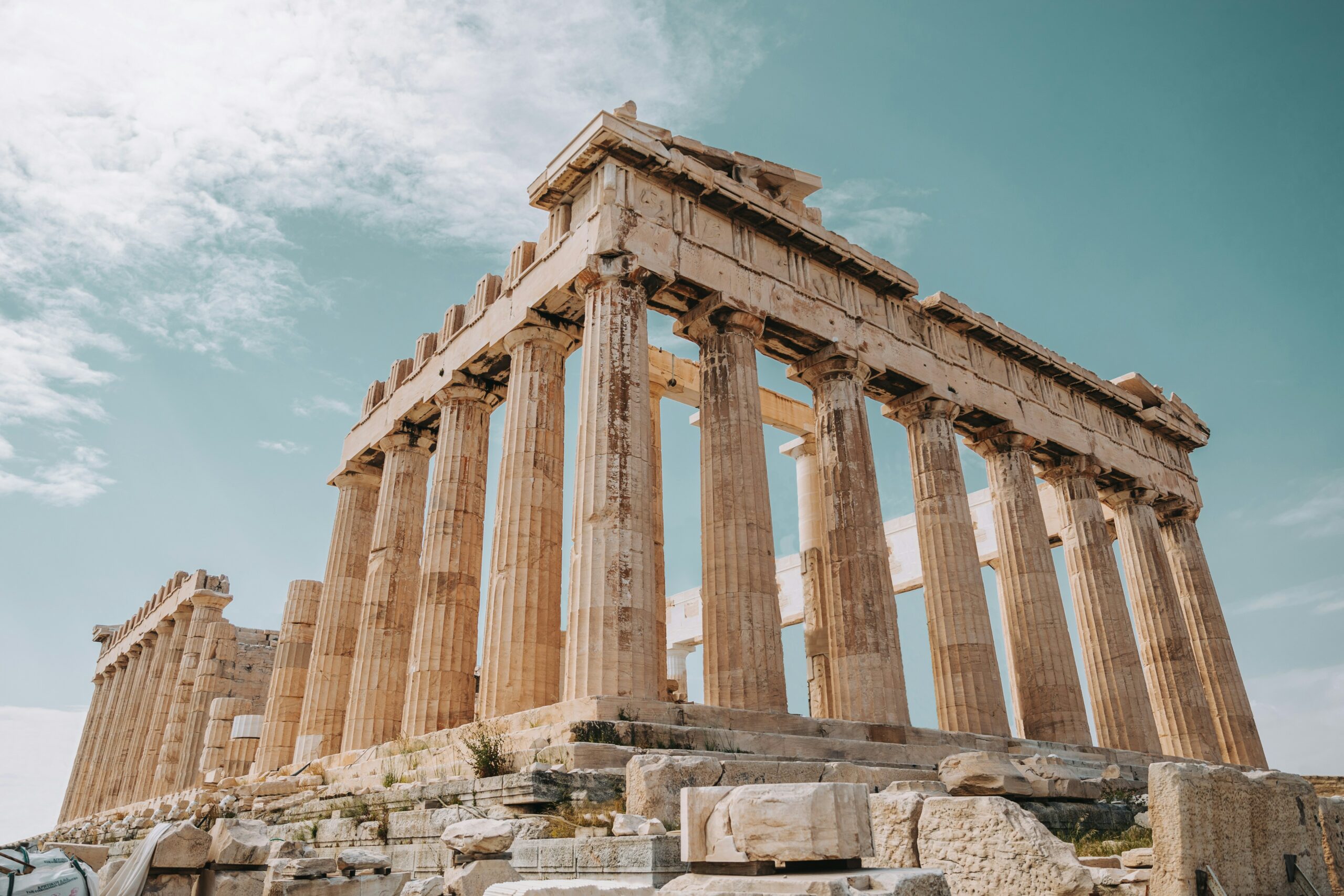
What relics of an ancient culture significant to how people view both spoken and written language today?
The answer is the Greek aoidos.
The aiodos were storytellers who lived in the time of ancient Greece. They traveled around from kingdom to distant land within the panhellenic sphere, retelling the same stories to different people. Their purpose was to share stories of their religion and epics of warriors who saved them from evil. To do this, they recalled information they learned from their elders. The aiodos shared memories, keeping traditions alive all through the spoken word. Weeks straight, these storytellers entertained whatever court they were in with the same legends and myths, building a common identity.
To no surprise, this was an entire social event that would connect people through their literature. As a grand audience gathered, the Greeks experienced literacy as a storytelling spectacle that created a shared cultural moment.
Through dramatics and booming delivery, the aoidos reinforced Greek identity and ensured that their history would be carried until the next literary technology came onto the stage.
The Shift from Oral to Written Literacy
These oral traditions continued, but one name in Greek history immortalized the history of the past: Homer. He transcribed oral traditions into the written word and did so for two powerful epics: The Iliad and The Odyssey.
Namely, Homer was able to preserve the works of generations, allowing their legacy not be forgotten. It could no longer be altered, or worse, defaced by malicious intent.
Because of Homer’s shift in literacy, Greek history could now be preserved and enjoyed by future generations, without losing these very important epics. Writing down these works helped preserve the art of the aiodos in a uniform and universal way.
This cultural shift of Greek culture falls perfectly in line with Applen, showing how literacy evolves with new technologies. With the shift from oral to written traditions, Western civilization continues to celebrate the efforts of both the aoidos and Homer. Without these key literary figures, this legacy would not be as strong, or worse, forgotten.


Leave a Reply