
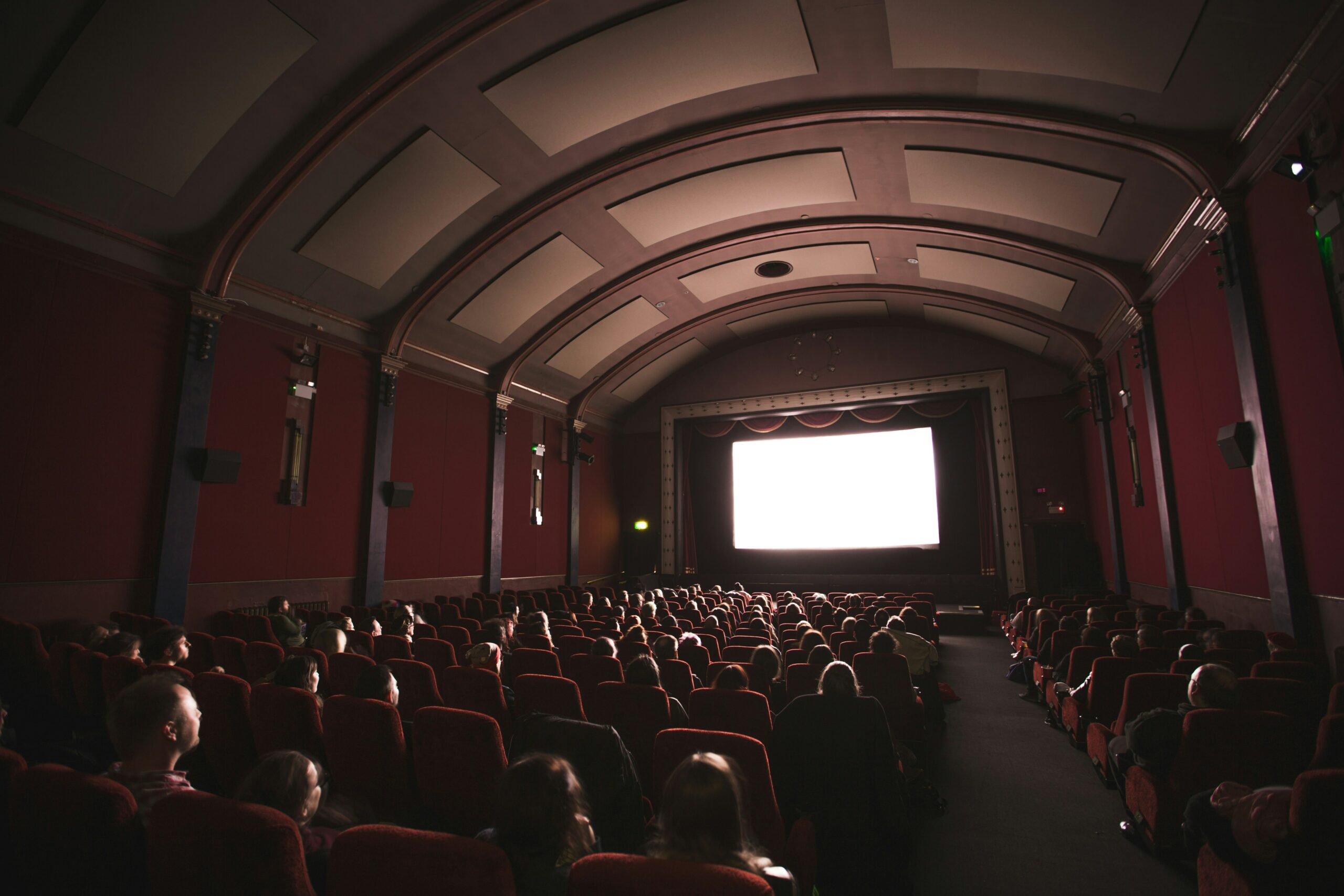
Do you remember your first encounter with remediation? While my first experience was Nickelodeon’s Little Bear, my favorite is the transformation of Stephanie Meyer’s Twilight. There is something about seeing a world you built in your head suddenly rendered in the blue tinted moody aesthetic of Catherine Hardwick’s Pacific Northwest. Though not wholly faithful to the original work, the brooding intensity of our protagonist’s first love is only magnified by the aesthetic cinematography.
According to J.D Applen in Writing for the Web, these changes do more than just change the format of a story, but instead reshape who we are as readers and writers. No longer are we silent inhabitants of a static, printed text. Instead, we are self aware participants within the multimedia ecosystem.
Hardwick’s Twilight acts as a thread from the gothic works of Victorian literature to the mid 2000’s pop punk revival. All the things our teenage protagonist would be experiencing, we experience as well. Especially within the context of the hyper meta merchandising.
Applen defines remediation as the shift to a new media which borrows traits from the earlier work. I think of it as a digital evolution. While theres an assumption the new version is an “improvement”, I feel it instead says more about who we are as consumers.
As we move further into digital spaces, the line between thinking and experiencing blurs. How can we distinguish between engagement and organic expression? I feel as long as the work is transcendent, it will always be successful. First is not always best. There is room for coexistence within the modern digital audience.


Leave a Reply