
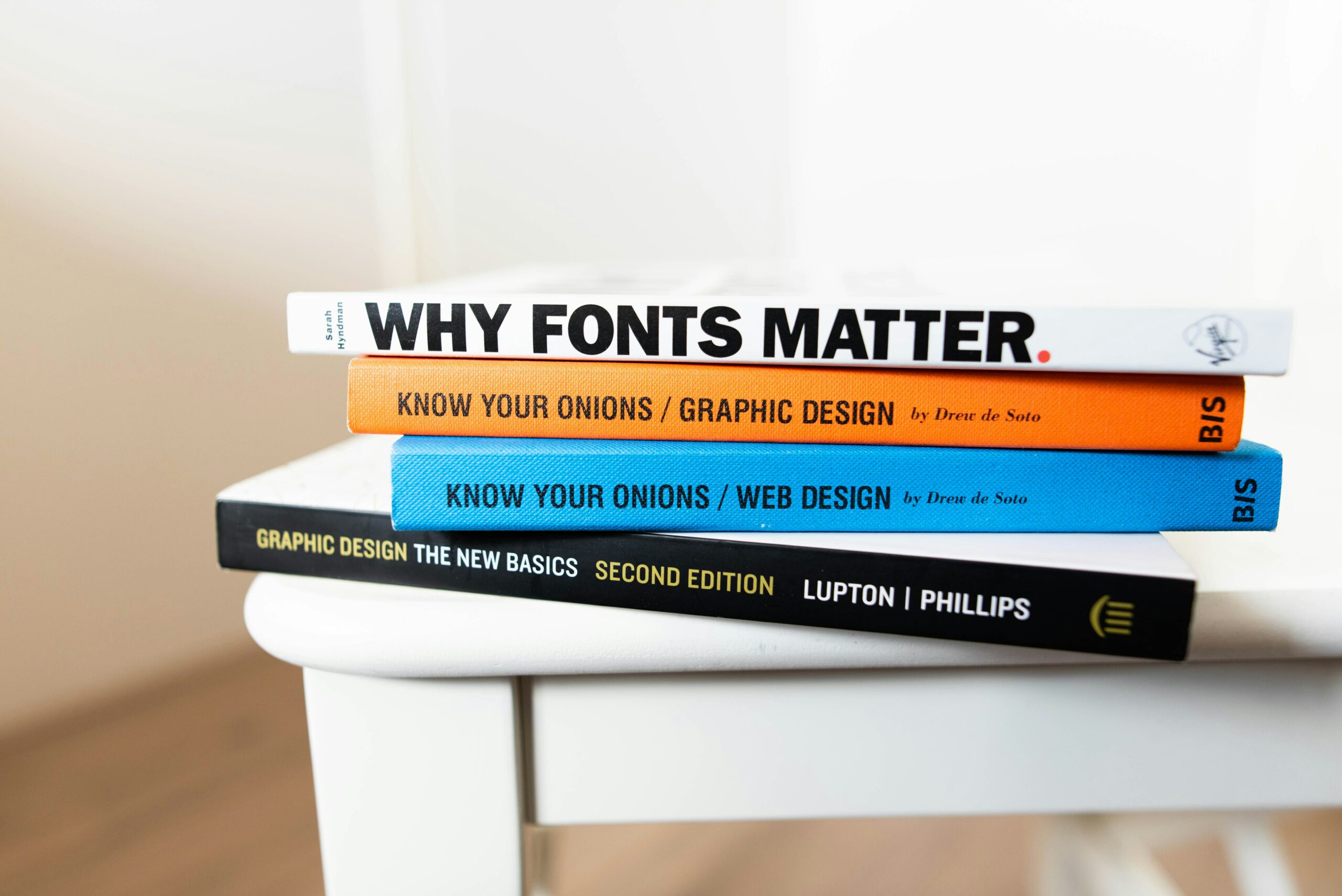
This weeks reading by J.D. Applen was all about new media and literacy. Richard Lanham begins by discussing how reading screens is very similar as to how we listen to spoken words compared to reading books or certain texts. With the implementation of new technology and evolution of how certain features have evolved within technology, text can sometimes become interactive and flexible.
Deeper Meanings
He goes on to further explain Eric Havelocks idea which is that essentially in printed forms, letters can become transparent. This means that we as readers just read these words to understand the meaning without thinking too deeply about it. When it comes to digital text and digital spaces, individuals can become more aware and pick up on deeper things such as font size, style, and color. Personally I believe this is very relatable as a student. When I read from a book for example, I am not truly paying attention to the words on the page. When looking at a piece from a form of technology, I become more aware of the style of font an author uses along with what words are bolded and italicized.
Modularity
It was also discussed by Lev Manovich that modularity can have its own identity. Information such as pictures or videos can remain its own identity while in the same location as a word document. It was also further explained that websites independently are modular media. One website can’t change the content of another website however, they can link to each other.
In With The Old
Manovich also argues against the fact that modern technology implementations are more interactive than older forms used to communicate. He instead suggests the idea of using tech to explain human thoughts comes from society and the norms. We do not always see human thoughts as unique instead we sometimes see them as being identical and uniform. Ultimately, both Lanham and Manovich explain how important the relationship between technology, evolution, and individuality is. They both show how modern communication methods can be limited but also the amount of possibilities within the field.


Leave a Reply