
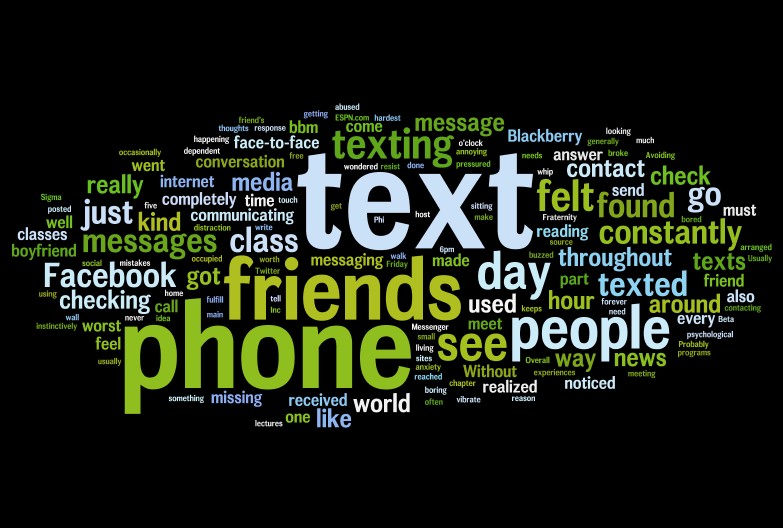
Eyman first defined “text” as exclusively printed literary works. However, after learning about cultural studies and postmodern theory, which stressed the interpretive power of any item or situation, he changed his perspective. It’s argued that the definition of text in the context of digital rhetoric needs to be broadened to include a wider range of communicative events and artifacts, surpassing its conventional boundaries.
Developing text(s)
I found that the changing nature of language and communication is highlighted by Eyman’s viewpoint, especially in the digital age. He recognizes the depth and complexity of meaning-making in modern discourse by arguing for a broader definition of “text.”. Text in the context of digital rhetoric encompasses various communication channels outside of written or printed texts. This viewpoint aligns with how digital communication is developing, where textuality is more than just words on a page. It includes multimedia, hyperlinks, interaction, and the networked character of digital spaces. In general, Eyman’s position emphasizes how critical it is to modify rhetorical strategies to properly assess and interact with digital texts in all of their forms. Several important components are included in the criteria provided for text analysis in digital contexts.
The grammatical and structural elements of a text that guarantee linguistic coherence are referred to as cohesive elements. Contrarily, coherence refers to a text’s significance to the outside world and other writings. The distinction between intentional and inadvertent speech is made by emphasizing the producer’s goal when crafting the piece of text. We can define acceptability as emphasizing the importance of a book being acknowledged as such by the people who are reading it.
The amount of fresh or anticipated information presented in the text is referred to as informativity. Situationality looks at a text’s appropriateness to its surroundings. Whereas intertextuality emphasizes how texts relate to other texts that are either concurrent or preceding throughout different conversations. When these are combined, it creates standards to set a thorough framework for examining digital texts. All, while considering both their structural coherence and semantic significance within various texts in the context of digital rhetoric.
https://muse.jhu.edu/pub/166/monograph/chapter/1575136


Leave a Reply