
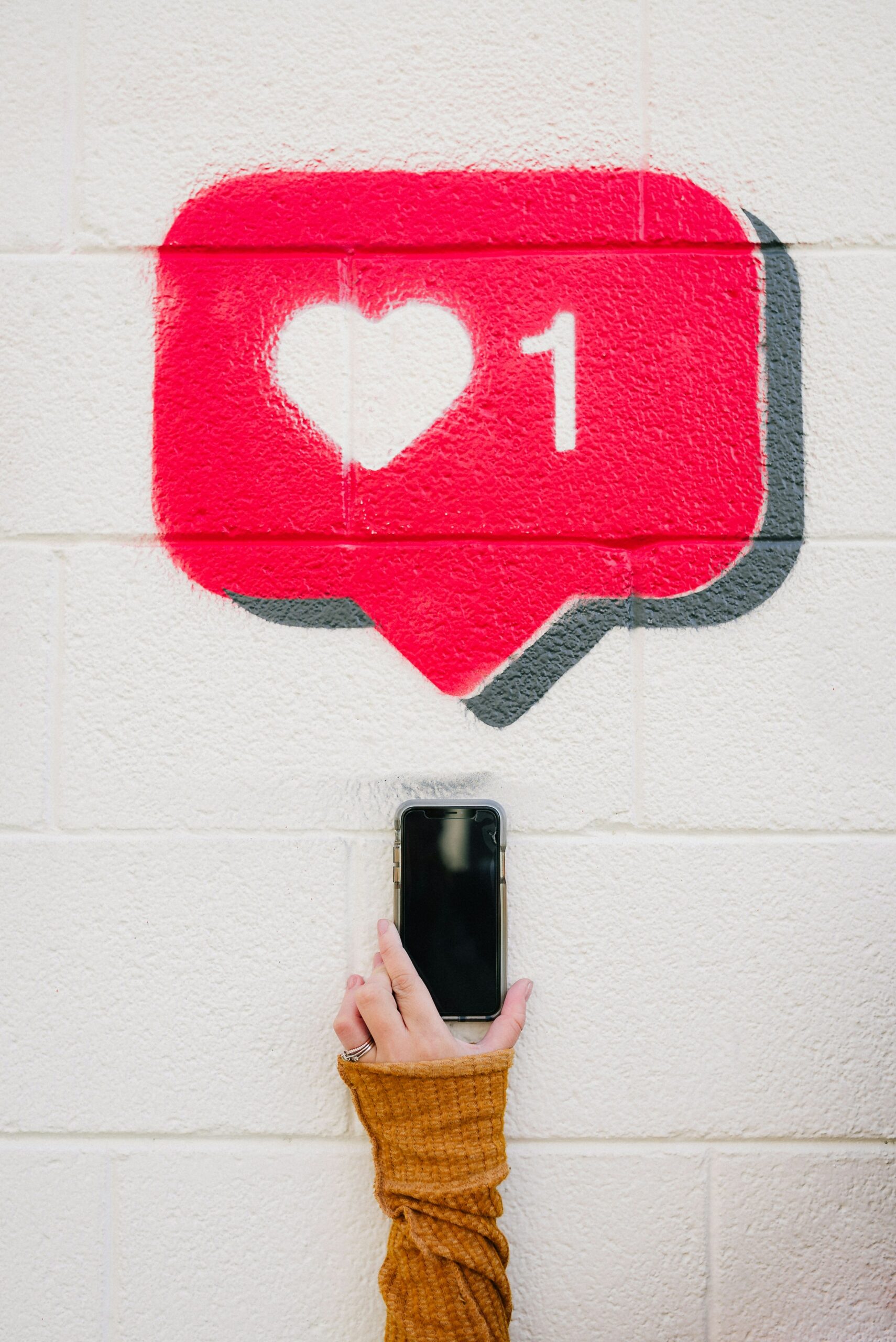
What’s funny is that I made an essay that goes a little in depth of interactivity. In that essay, I explained how interactivity works within new media. Here’s a little snippet of that explanation: “Interactivity is what grants audiences to engage with the content (manipulate it, if you will), and change the content from its initial counterpart” (2024). One of the examples I used to further explain this idea was Instagram and its posts feature. Once you create a post and show it to the world, viewers have the ability to change the way your posts look just by commenting or even liking the post. Whatever they chose to do stays on that post and other viewers can see that as well.
However, I never discussed the issue about individuals using the term in a wrong way. I remembered Professor Friend mention about interactivity during our weekly meets, so going into Applen’s piece on New Media and Literacy (Chapter 1) and comprehending his thoughts was no problem. One thing that caught my attention was the term “variability” which came from Lev Manovich. Manovich’s definition for variability is as follows:
“Variability” is Manovich’s term for the characteristic of new media which means it is never “fixed,” but exists in “potentially infinite versions” (Applen 9)
It’s interesting to me because this is the same thing that I mentioned in my essay- just in a different word. The term I used for this very definition is “flexibility”, which I would argue makes more sense than “variability”. Overall, what’s important about all this is that “interactivity” isn’t just being able to navigate through a website or changing the theme of your page from white to dark (since it only changes for you, NOT for others). Instead, it’s about building something new and changing the display of the (new) media for EVERYONE.
If you want more information about interactivity as a whole, I recommend reading Amanda Reu’s blog post.


Leave a Reply