
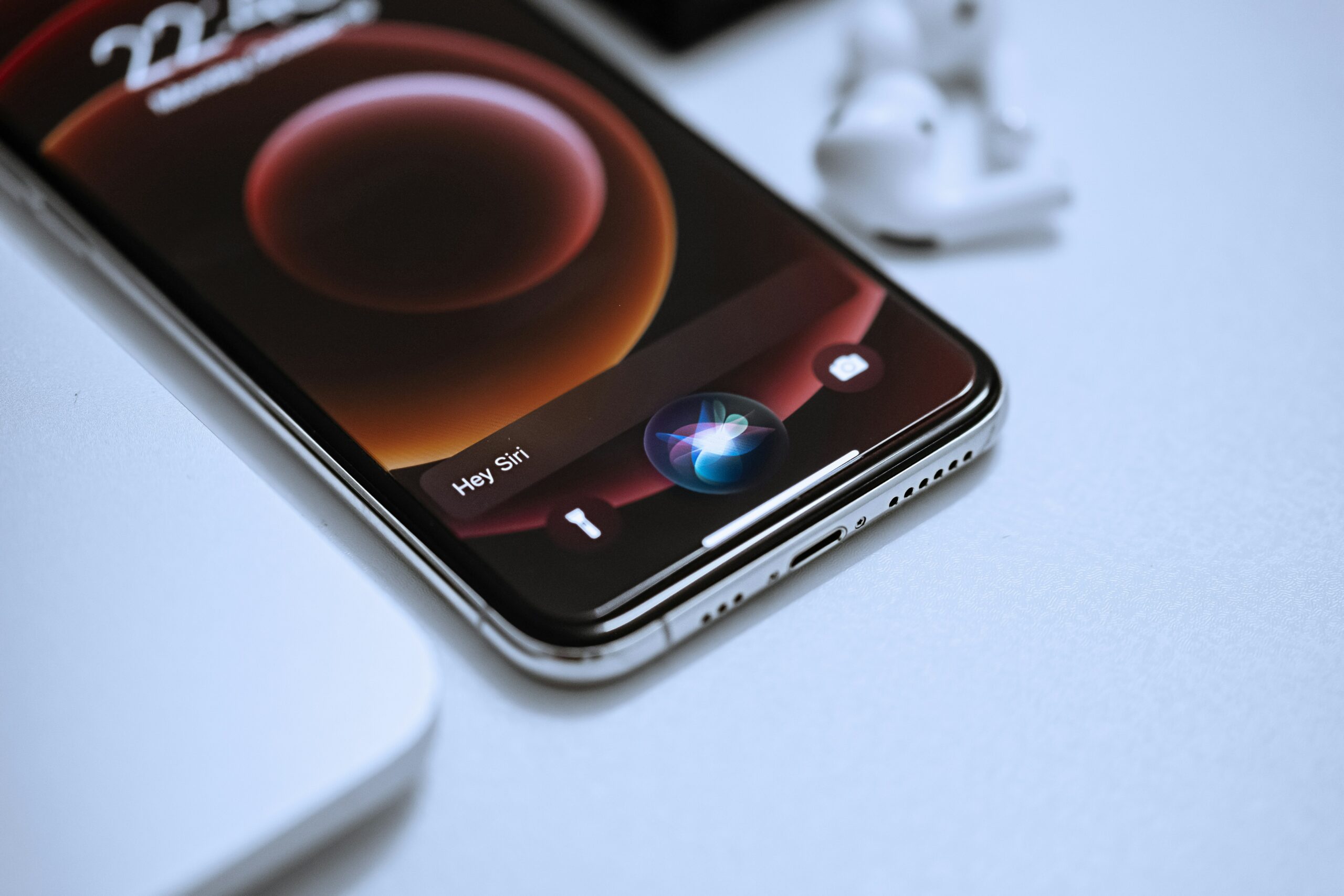
Human-computer interaction (HCI) is a crucial area of study that bridges the gap between how we interact with technology and how that interaction shapes our understanding of the world. In Defining and Locating Digital Rhetoric, the text frames HCI not just as the mechanical exchange of input and output but as a deeply rhetorical act. This interaction influences both how we communicate and how we understand what is being communicated.
HCI as a Rhetorical Act
When we think about HCI, it’s easy to assume it’s just about functionality: typing on a keyboard, tapping a screen, or speaking a command. However, as the text suggests, the way we interact with technology is also a form of persuasion. The design of interfaces, the language used in commands, and even the responses we get back all influence how we make decisions, form opinions, or take action.
Voice Assistants
Many of us are familiar with voice assistants like Siri or Google Assistant. When we ask our phone a question, we expect the system to interpret our request and present the information in a way that aligns with how we think. This interaction isn’t just mechanical; it’s rhetorical. The assistant doesn’t merely give us an answer. It responds in a way that feels natural and aligns with the conversational norms we expect. If the response feels robotic or doesn’t fit the context, it interrupts our experience, highlighting the rhetorical power that even small technological choices can have on the interaction.
Why HCI Matters
This understanding of HCI as a rhetorical act changes the way we think about technology. It’s not just about what tools we use but how they shape our behaviors and perceptions. Whether through a voice assistant, an app interface, or a website, the design of these systems has a profound impact on how we understand information, make decisions, and even communicate with each other. As users, we must become more conscious of how these systems influence us, and as creators, we must be thoughtful about our use of technology


Leave a Reply