
What Is Digital Rhetoric—and Why Should You Care?
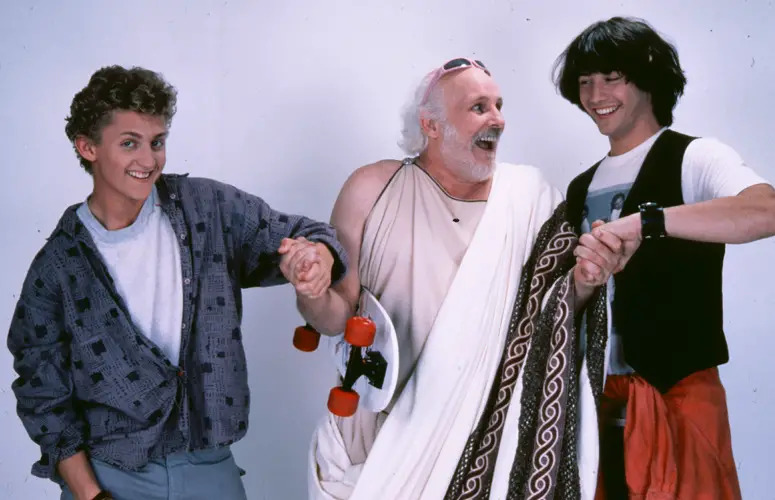
Long gone are the days when rhetoric was limited to a bunch of hairy old Greek dudes atop the Acropolis. We live in a digital world shaped by algorithms, where rhetoric shapes just about everything we engage in online. Think TikToks, viral tweets, popular memes – how do all of those influence the way you think and act? How do algorithms that can’t think force us to do just that?
From Aristotle to Algorithms
Traditionally, rhetoric, in its simplest form, was just persuasion through writing. The biggest example that comes to mind is 8th-grade Aristotle: logos, ethos, pathos. Think about it, seriously! Back in the day, you had to be a relatively outstanding writer in order to appeal to those three areas through words alone. In the more modern era, a single photo could make someone experience all three instantly. And a well-written blog post including photos, videos, and a witty sense of humor? How could anyone not be persuaded by that?
On a serious note, it is pretty astounding to think how far the field of rhetoric has come. In ages past, a wise man would formulate his opinions after reviewing many speeches and scripts from his different peers, taking old knowledge and creating new with it. Now, some guy on Twitter believes the Earth is flat because he liked one post about it, and now his entire feed is just a mind-numbing conspiracy echo chamber.
Algorithms are scary because they are catered specifically to you. Essentially, they don’t really allow your opinions to grow much because it’s designed to show you more of what it KNOWS you’re interested in. Personally, I find it baffling, if not terrifying, that someone’s entire worldview can be shaped by a series of code. And that isn’t a niche example either, it happens everywhere ALL THE TIME. That’s why today’s youth especially need to be educated on digital rhetoric.
Real-World Examples of Digital Rhetoric
Digital rhetoric really is everywhere. To drive that point home, here are some real-world examples of where you can spot digital rhetoric:
- Instagram activism: This one is fairly self-explanatory, and most people engage in it willingly, including myself. But think, has your political opinion ever been impacted by something you saw on social media?
- YouTube thumbnails: Once again, “clickbait” thumbnails are everywhere, and most people understand the concept. Even still, it’s never less fun clicking on a boring video with a fun thumbnail.
- Online reviews: This is very widespread and, in my opinion, quite sinister. Many companies pay people to review their products. At that point, it’s no longer just the sharing of opinions on a product. They’re actively providing arguments for you to buy something you probably don’t even really want. To make matters worse, many online shops now don’t even pay people for reviews. Instead, they just generate them by the thousands with bots. And of course, these artificially boosted products appear higher on algorithms and are more likely to be sold to real people.
So again, why should I care?
In 2025, it’s not an over-exaggeration to say misinformation spreads like wildfire. And in a world where our attention is currency (no, literally, how do you think “free” social media platforms are profitable?), I think we should all strive for the ability to effectively and ethically analyze and engage with our media. To put it in less nerdy terms, be smart with what you do on the web; it’s important.


Leave a Reply