
Understanding Digital vs. Analog
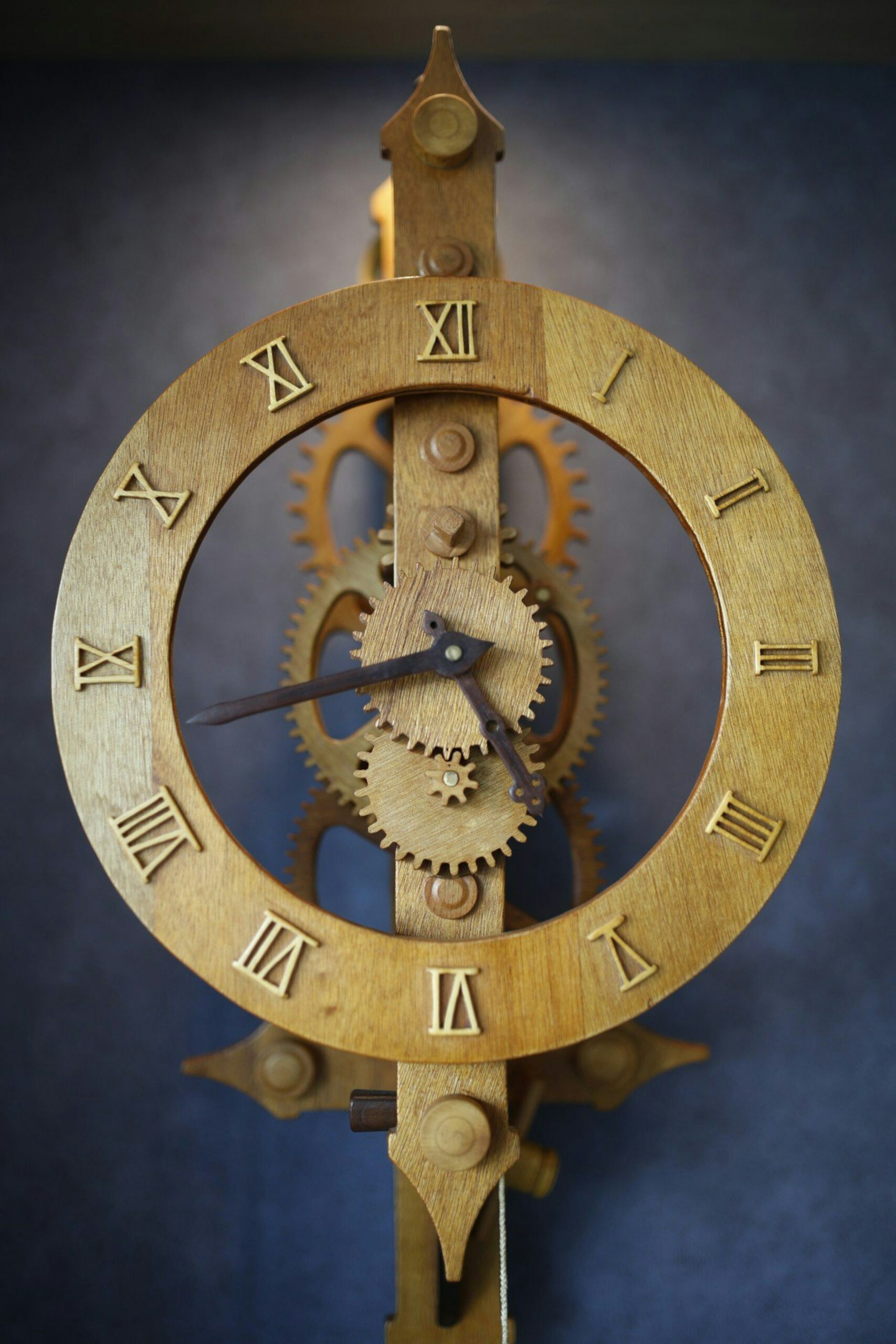
After reading Eyman’s Digital Rhetoric, I gained a better understanding of what really separates digital from analog. Before this, I usually thought of digital as anything involving modern technology computers, TVs, and electronic devices. When I pictured analog, I imagined things like a clock with moving hands, a mercury thermometer, or a measuring tape. My original ideas weren’t completely off, but Eyman explains the difference more clearly: digital systems use discrete values, while analog systems work through a continuous range of values, often represented as a wave
Digital Beyond Computers
What surprised me was learning that digital doesn’t always mean electronic. Systems like Braille and Morse code are considered digital because they use separate, countable units raised dots in Braille or dots and dashes in Morse code to communicate information. Each piece stands on its own, and together they form a message, just like digital coding.
History and Advantages of Digital
The first digital computer, ENIAC, appeared in 1945, but Claude Shannon’s work with binary codes (1s and 0s) is what helped shape the digital world we know today. Digital data has several advantages over analog: it can be copied, compressed, transmitted, and made more secure much more easily. Analog information can even be digitized by breaking a continuous signal into small measurements and assigning each one a discrete value. This shows that digital isn’t just about electronic devices. It’s about how information is produced and represented.
Digital and Human Interaction
Eyman points the word “digital” connects back to our fingers. One of the first tools humans used to count, and create early forms of coding. He mentions Egyptian hieroglyphs as early examples of digital communication. Overall, I learned that digital doesn’t simply refer to the technology behind a text; it’s more about the way information is organized and represented.


Leave a Reply