
introduction:
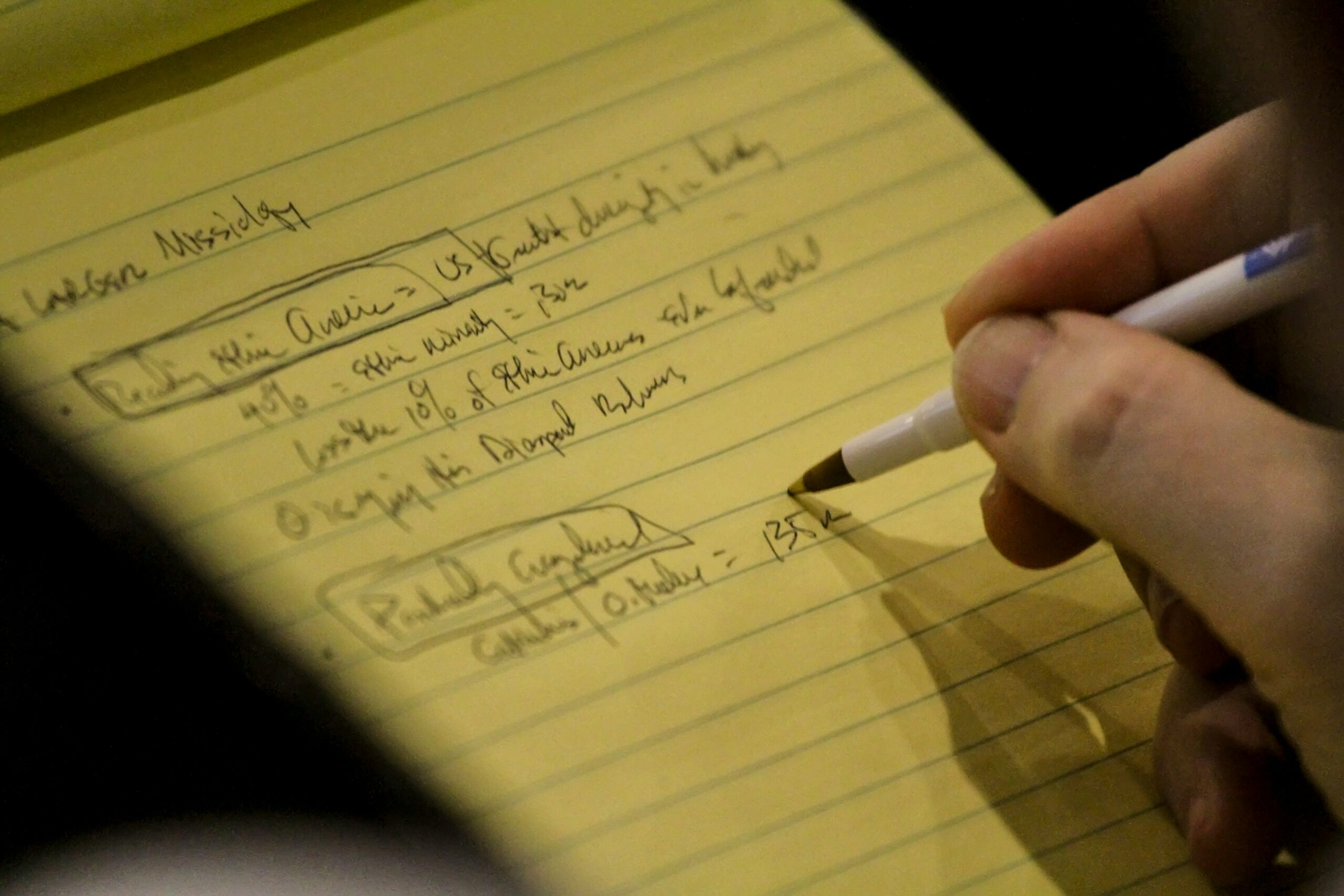
In today’s fast-paced environment we keep navigating the connection between analog and digital. The move from analog to digital technologies has transformed the tools we use but also how we interact within the world around us. From handwriting notes to digital docs, from physical pictures like Polaroids to google photos. I never relied heavily on technology until I started college. I was always the notebook girl; I wrote down everything physically in a paper. I had rather speak in person and ask questions rather than sending an email. Thanks to these lovely authors Santos, Rivas and Eyman I was able to understand the term “digital” in a better understanding. I also learned what analog means and how they connect to one another.
The way I interpreted digital in Riva’s explanation was “the act of encoding data into small amounts” meaning it’s the ability to represent information in a more compact form. Santos referred to digital technology as “Digital technology is any technology that generates stores and processes data using binary code”. Basically, digital technology defines devices and systems that use binary codes to process, store and transmit any data. So, all platforms perform different functions but use binary codes to transmit all their data.
Digital vs ANALOG:
The concept of “digital” refers the effective use of digital tools, such as editing, writing, and publishing blogs or social media posts. Writers often incorporate images, videos, and other media into the digital content. This process compresses and encodes data to fit into smaller spaces. Making it easier to store and transmit. Rivas also mentioned the word “analog”, which I interpreted as “physical”. For example, a film camera captures images on a physical film using chemicals. The lights create the image by hitting the film. In contrast, a digital camera captures an image using a sensor that breaks the scene into pixels. The image can then be stored as a digital file. That file can be edited, shared, printed as mentioned above. Digital refers to a digital format.
Digital technology:
“Digital Technology” provides a concrete foundation for understanding all digital platforms. Most platforms rely on binary codes to process and transmit their data. For example, when an individual uses an app or is watching a movie, everything goes through a binary code. Basically, anything can get stored this way.
Anything that one interacts with in the digital world uses binary codes to process the shared data. Ravi explained how data formats and compresses into an easily accessible form. Meanwhile, Santos described how binary codes help platforms transmit data and function. These two readings also connect to Eyman’s reading. In that article it gives us a deeper understanding of what digital means and compares it to analog technologies.
Connecting to these readings:
One way I connect to these readings is by how often I rely on digital communication with my loved ones. Instead of having long, face to face conversations, I can easily encode my thoughts into a short message using emojis or memes. Growing up, everything in elementary and middle school revolved everything around pencil and paper. My notebooks would get messy, and the cover was ripping from using so much paper. I’d say I’m more of a physical person; I’d rather get everything done on paper. Even though today’s technology is amazing, we still face problems. Websites crash, certain tools become unavailable, and apps don’t work.
Articles: Project MUSE – Digital Rhetoric Understanding ‘Digital’ in Writing and Other Contexts – Writing for Digital Spaces
Digital – Writing for Digital Spaces


Leave a Reply