
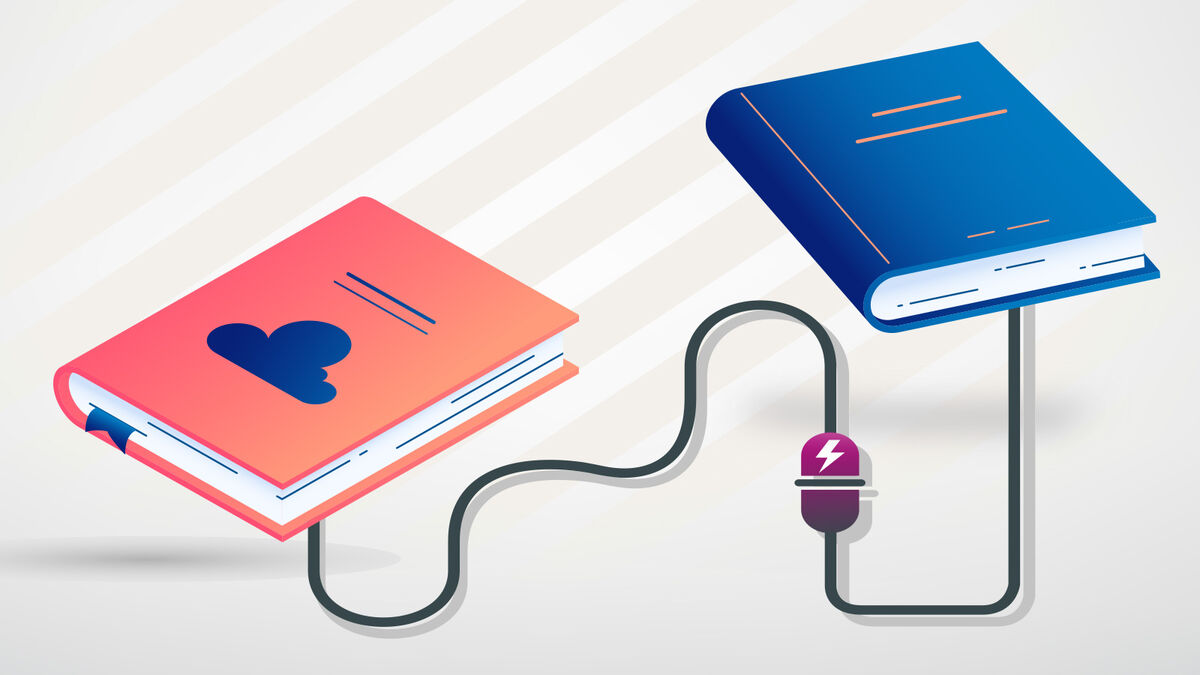
Intertextuality surrounds us on a day-to-day basis although we may not necessarily know it. According to Doug Eyman in his article Defining and Locating Digital Rhetoric (2015), it is the intertextuality concept of the meaning of texts as they are connected to other texts, notions, and cultural objects. Simply put, everything that we read or create stands alone. No single post, article, meme, or message is determined without being influenced by what has been previously said.
Digital Intertextuality
Intertextuality in this topic won’t be neglected in digital spaces. Consider memes, viral videos or trending hashtags. The only way the meme can make sense is when you realize what image, joke or moment it is actually alluding to. Lacking such common ground, the message seems incomprehensible or mindless. It is these connections that social media feeds and is constantly repackaging the older content into new shapes that people immediately identify.
It is also applicable in real life discussions. Whenever one cites a line of a film, quotes the lyrics of a song, or makes a joke based on a phrase found on the internet, he or she is accessing common texts to make communication quicker and more efficient. These sources allow individuals to connect and indicate membership, as well as convey more difficulty articulating emotions.
Conclusion
In his discussion, Eyman reminds us that intertextuality is not a theory applied in literature classes only. It is a practical manner in which human beings make sense in their daily lives. Understanding these links can make us better readers, more intelligent digital citizens, and more conscious communicators in a textual world. Understanding intertextuality encourages us to slow down and question where ideas come from, who created them, and why they matter.


Leave a Reply