
Privacy vs. Convenience
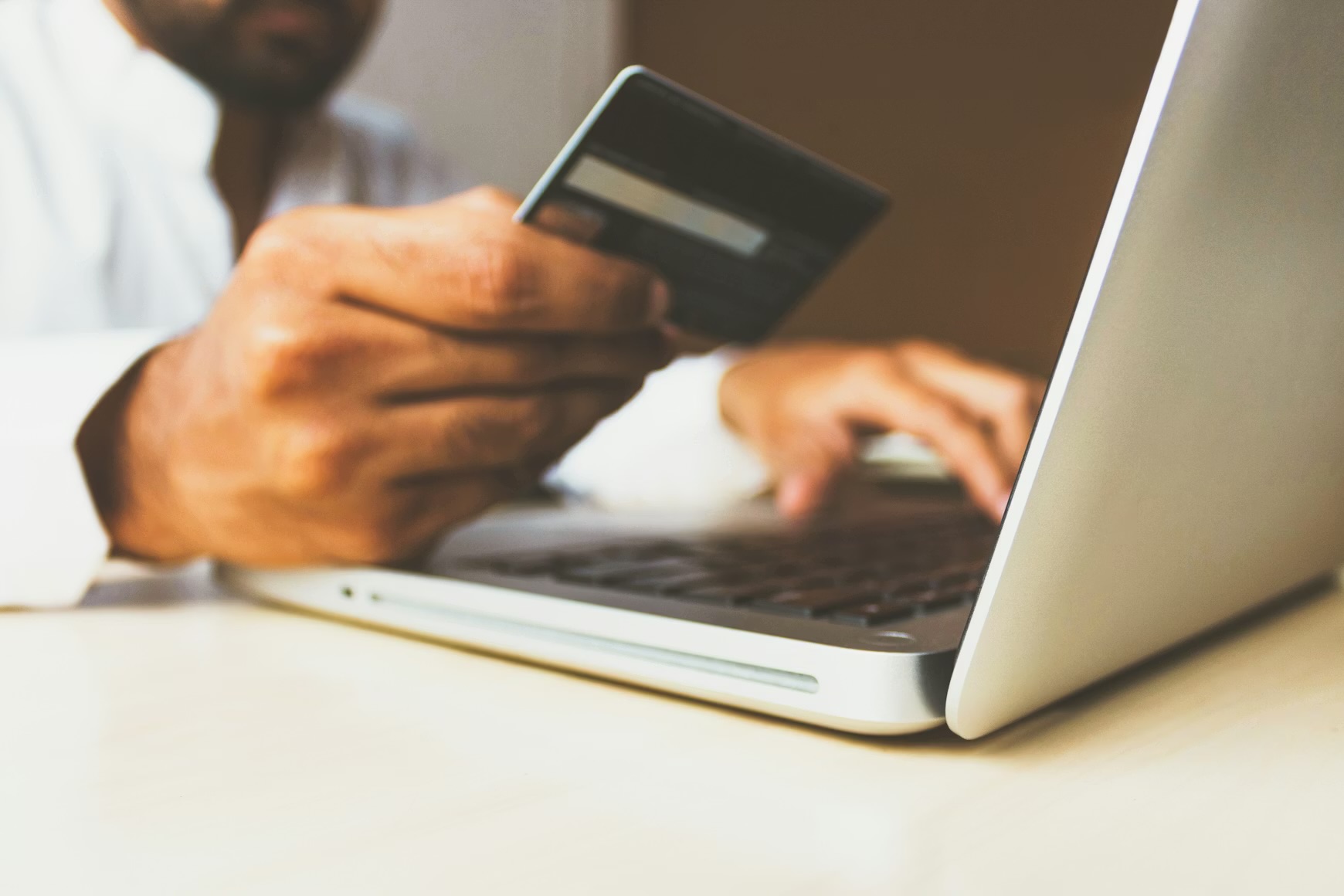
One of the most common ways we compromise our data online doesn’t come from something dramatic like a data breach, it comes from convenience. A small pop-up offering 10–15% off an online purchase in exchange for an email address feels harmless. In the moment, it’s easy to think, It’s just an email. But that small exchange often opens the door to much more than a discount code.
When we subscribe to mailing lists or promotional offers, we’re not just sharing contact information. We’re also allowing websites to track our behavior like what we click on, what we buy, how often we visit, and sometimes even how long we stay on certain pages. That data can then be used to create targeted ads, recommend related products, or be shared with third-party companies. Over time, these small decisions add up, shaping the digital profile that follows us across platforms.
In “Understanding and Maintaining Your Privacy When Writing with Digital Technologies,” Lindsey C. Kim emphasizes the importance of how our digital writing and interactions exist within systems that collect, store, and circulate information. What stands out to me is how often agency gets blurred when convenience is involved. While we technically have a choice, the design of these websites encourages quick agreement rather than mindful consent. Long privacy policies and default opt-ins make it easy to say yes without fully understanding what we’re agreeing to.
Being more aware of these moments, especially ones framed as “no big deal,” helps restore some agency. Even small actions, like using a separate email for subscriptions or pausing before clicking “accept,” can make a difference in how much control we keep over our digital presence.


Leave a Reply