
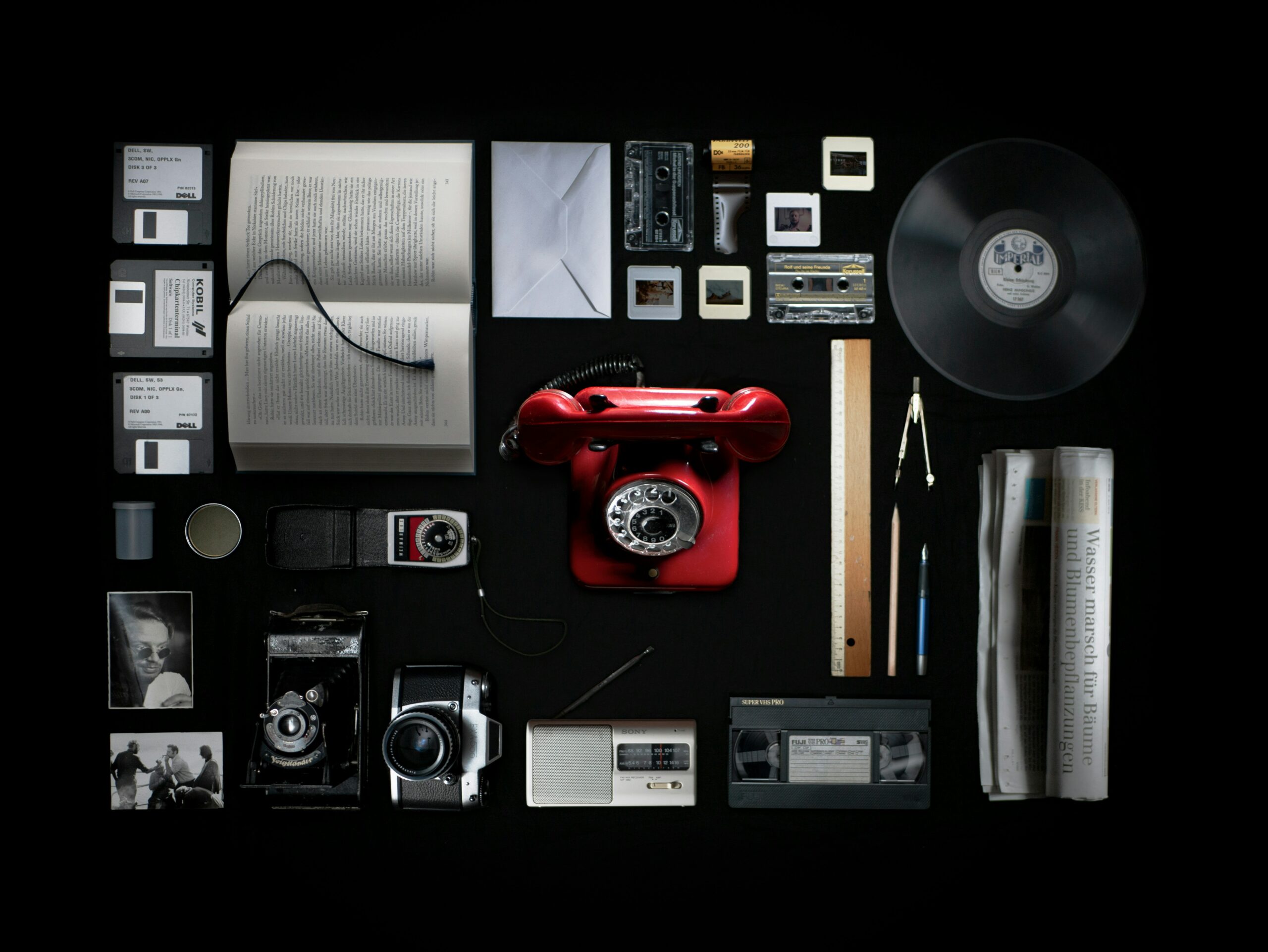
In ” “Old Media, New Media, and Knowledge J. D. Applen speaks about how Marshall McLuhan’s thought, “the medium is the message”, shifts how we see tech. On the surface, gadgets such as phones, search engines, or web classes seem useful just for speed in sharing facts. Yet, following both McLuhan and Applen, a different picture appears. Their point? It isn’t only what we learn but how constantly using devices rewires routine, changes what feels normal, alters attention spans, reshapes inner thought itself.
Picture smartphones. They clearly let people stay in touch without pause, yet beneath that lies a quieter demand: always being on call. Not only linked anymore, society assumes you answer whenever pinged. That change gently twists how we handle moments meant to ourselves, boundaries, and stillness. Spaces formerly left empty, a stroll, standing around, thinking, now hum with alerts, endless swiping. Quiet has new company.
Nicholas Carr takes that thought further. Because search engines hand facts so fast, minds might grow lazy over time. When reading stretches out, most skip ahead, click sideways, grab shortcuts instead. Feeling full of knowledge can happen even when real clarity is missing. What seems like knowing something often hides a thinner kind of grasp.
Out here, you see it too, not just in schools but in how people share thoughts. Slide decks dominate meetings; trivia contests favor fast facts over depth. Yet messy issues, wars, policy fights, classroom struggles, refuse neat summaries. According to Applen, clarity comes from sitting inside confusion awhile, a space most news and feeds rush past too soon.
Right now, classrooms aren’t just buildings anymore, screens shape how people learn. Because of online platforms, studying fits easier into different lives, yet splits time and attention in new ways. Being present means something different when lectures come through headphones. Some learners chase quick results instead of full understanding, almost like society itself does with everything else.
Flexibility helps, though it sometimes breaks learning into uneven pieces.
Thinking now moves at speed, broken into pieces, rarely pausing, this isn’t just a side effect of today’s media, it’s the core signal. What McLuhan saw still holds true: understanding the world means looking past content, focusing instead on how the medium reshapes thought itself.


Leave a Reply