
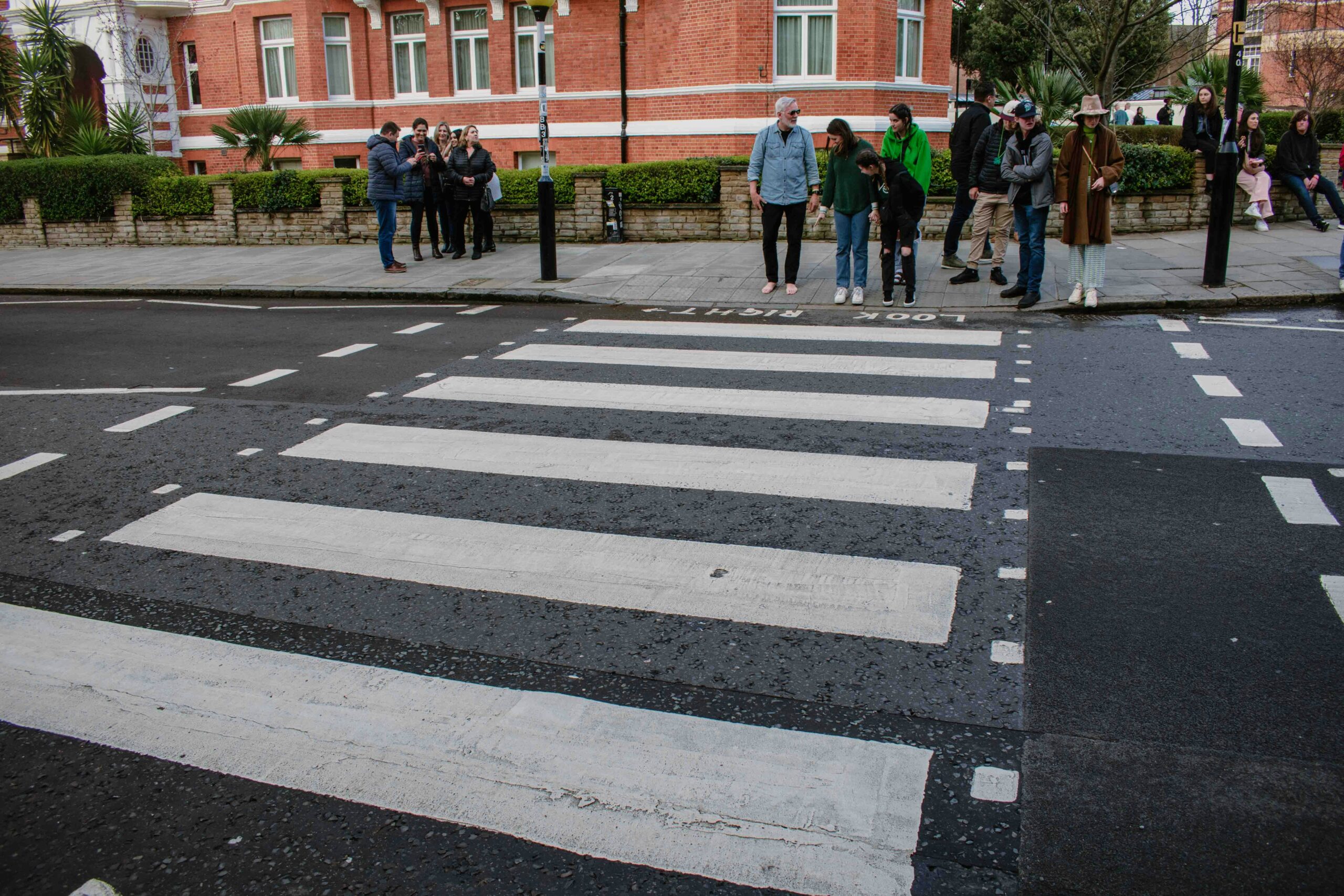
The talking points brought up in Yergeau, et al. in regards to accessible infrastructure are not uncommon ones. My first note is that, for whatever reason, I am unable to actually access the full text of this study. None of the links to it, including the one on their own website, are working for me. So my information is gathered through a blog post summarizing the points made by Allison Hitt. Hitt’s summary is focused in how things are made that assume people are fully able bodied. These assumptions result in disabled people being excluded and unable to participate in the community.
The original website does include a disclaimer acknowledging the universal accessibility is a process, rather than an end result. Meaning that the world is never going to find itself in a state where it never needs to change or improve. That disclaimer acknowledges the complexity of accessibility and what that means.
Accomdation
One thing I disliked, however, is this idea that “accomdation” is somehow a lesser version of accessibility. It criticizes infrastructure and websites for failing to consider disabled people in the first place, and designing a space that assumes normate ability. This, as well, is nuanced. But I would put forward that viewing “accomdation” as somehow bad is what ends up making it bad.
There’s the argument, of course, that accomdation is exclusionary. It separates disabled people from the “regular” community and picks them out as outsiders. I would argue that the solution, is then, a shift in social mindset rather than casting accomdation as something ableist. This is due to the point that universal accessibility is impossible. Making a space large enough for a wheel chair user might then be unnavigable to someone who is blind or suffers from chronic fatigue.
There are a lot of different types of disability. Meaning that there’s always going to be someone singled out due to their needs. Normalizing accomdation would help dissipate the isolation it might cause a person to feel. Since the issue is the feeling of shame surrounding it, rather than the fact that they require accomdation at all. That’s not something to be ashamed of. People are all different. That is a good thing.
The previous argument is likely better applicable to infrastructure cases. In the case of text design, I am only aware of a few issues with accessibility; (such as blindness, dyslexia, and possibly language processing disorders). While websites have the benefit of being more flexible, even the original authors of the article site struggle to make it fully accessible. It requires resources: time, energy, and personnel to remain flexible enough to maintain constant accessibility from the get-go of a websites establishment.
Accesibility for Everyone
My previous remarks are in no way an argument against making things accessible in the first place. It’s simply to say that sometimes, accomodation is the best form of accessibility. Things should be created in advance with the understanding that accomodations may need to be made without disparaging the people who need them. This acknowledges that vast array of needs that people have, and how even two people with the same disability may require completely different tools and resources. Being inclusive takes effort. That is not a bad thing.
That being said, communites have found that designing things to be universally accessible has been found to benefit everybody in a community, too. Not just the disabled community that the designer was thinking about. This is known as the “curb cut effect.” The term comes from the indents in curbs that local governments made for wheel chair users, and were found to be beneficial to everybody in the community. Such as parents with strollers or kids with bikes. Designing places and things for people with disabilities can be beneficial to everyone. Elevators in tall buildings, websites that allow you to change the size of the text or have audio options, bras with front closures. All of these things are typically targeted to help disabled people, then end up being useful to everybody.
Universal design is the ability to remain flexible and open-minded, while making spaces accessible to as many people as possible.




Leave a Reply