
The Shift from Books to Screens
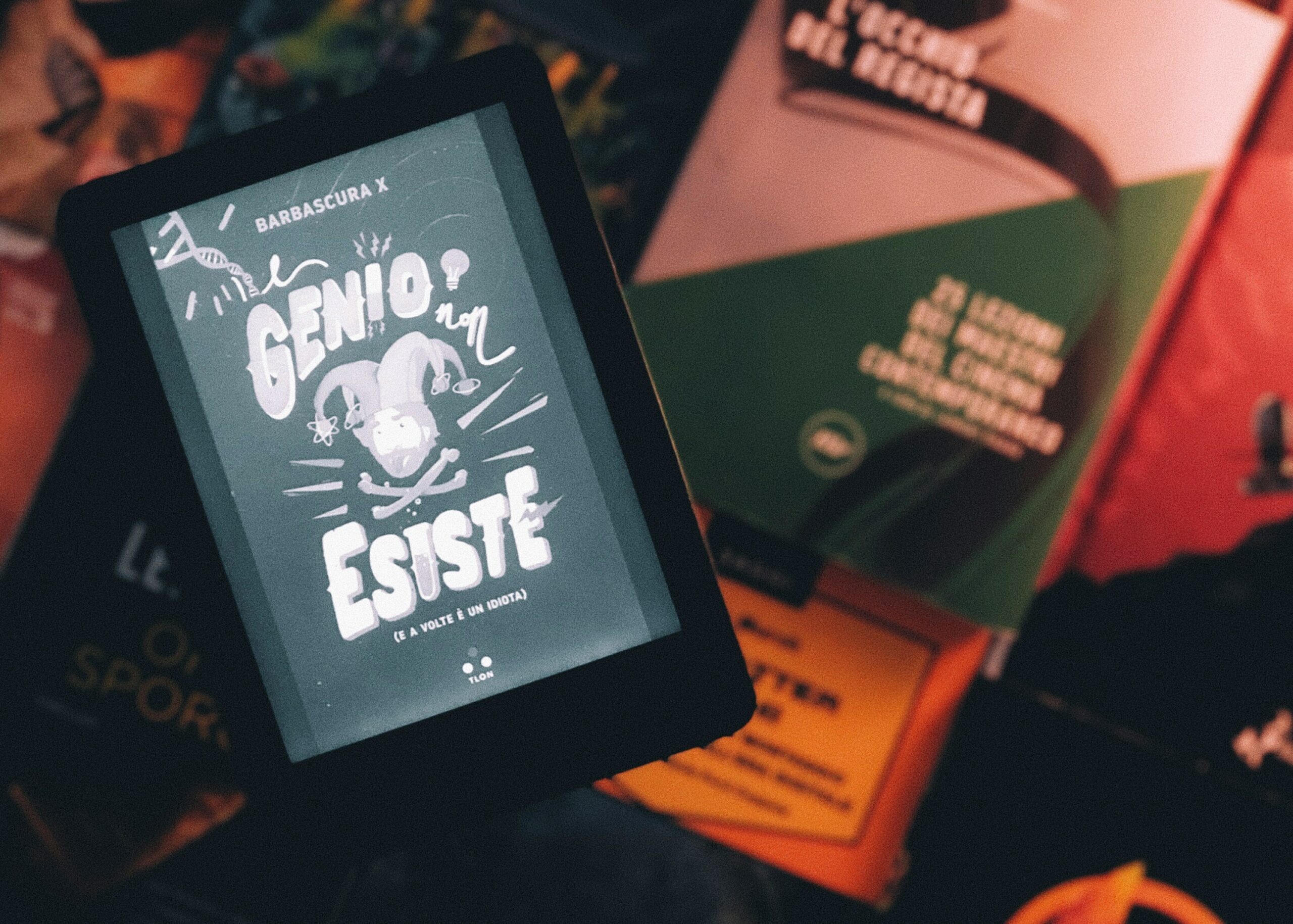
Growing up, I always loved reading books. I enjoyed turning the pages, smelling the paper, and feeling connected to the story. But then, digital media grew in popularity, and everything seemed to move to screens. In The Age of Print and the Late Age of Print, J.D. Applen (2013) talks about how our relationship with books has changed. We went from printed texts to the quick, sometimes disconnected experience of reading on screens. I remember switching from printed books to eBooks on my tablet. At first, it felt like an exciting change. But soon, I noticed something unsettling. The constant access to online content made reading feel less meaningful. It felt like the depth of the experience got lost in scrolling and tapping.
How Print Media Shaped Our Understanding of Knowledge
When you walk into a library, you can feel the weight of knowledge. The books are neatly organized, and you can sense their history. Applen talks about how print media used to give us a real sense of time and history. Books and libraries were like containers of knowledge. Each book opened a window into a different world. You could see how knowledge grew over time. But that connection is missing when we search for information online. It’s all scattered and overwhelming. It can be hard to find the context in all the data we have at our fingertips. However, digital media also has benefits. It lets us access information quickly, and I can learn about any topic anytime. While I miss the feel of physical books, the ease of online information is helpful.
The Digital Distraction: Is Online Reading Losing Depth?
As Applen points out, digital media breaks up information into small, quick pieces. I often get distracted while reading online. I jump from one link to another, but realize I haven’t absorbed much. Unlike books, where ideas are organized, online reading feels scattered. We move from idea to idea without pausing to think deeply. It’s like snacking all day instead of having a real meal. The more I read online, the harder it is to focus on a book. But digital media also lets me explore many topics quickly. I can discover new ideas, and the information is endless. Even if I read in shorter bursts, there’s a lot of value in the variety digital media offers.
Social Media and the Struggle to Maintain Identity
Applen also talks about how digital platforms, like social media, can change our identities. On social media, we often feel pressure to share parts of ourselves that others will like. I’ve done this, shaping my online persona to fit certain expectations. But over time, I realized it didn’t capture who I really am. Constant comparison and oversharing online can blur our true selves. Applen warns that being online all the time might cause the “waning of the private self.” This made me wonder if we can truly be ourselves when we are always plugged in. Still, social media has its positives. It allows me to connect with old friends, find new ideas, and join communities. It’s not perfect, but it’s been valuable in many ways.
Taking a Step Back: Why We Need to Disconnect
Reading Applen’s work made me realize how important it is to disconnect from the digital world. Sometimes, it’s good to step away from the constant flow of information. We need breaks to focus on deeper experiences, like reading a physical book, talking face-to-face, or just being quiet. Only then can we really connect with ourselves and others. Applen’s work reminds me to slow down and reflect. In a world that moves too fast, it’s important to take time for ourselves. While digital media offers convenience and connection, we need balance to protect our sense of self.


Leave a Reply