
Ages of Print
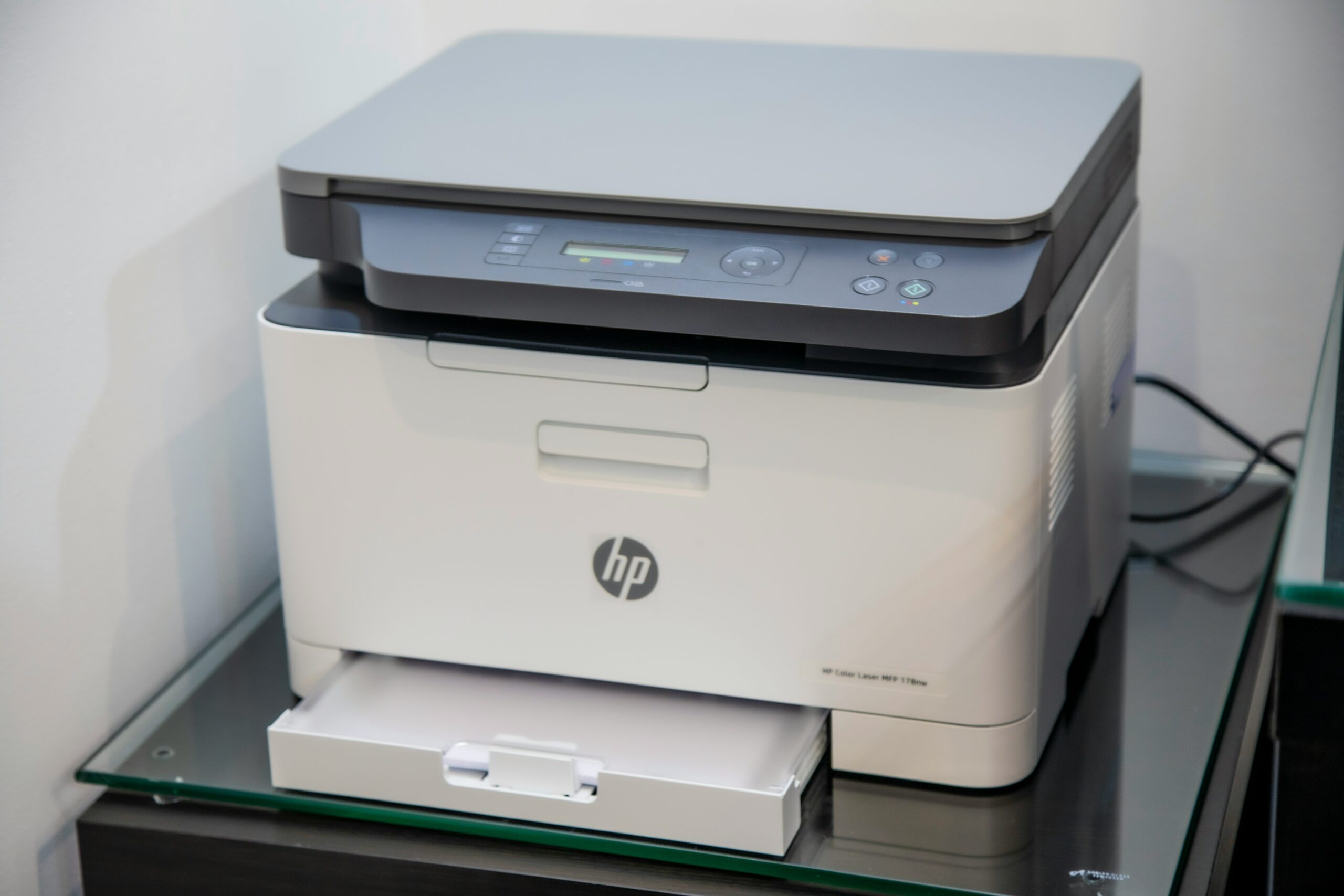
Applen discusses the Age of Print and the Late Age of Print. He also calls upon Ong, Bolter and Birkerts to address hypermediacy and remediation. I caught an interesting point while reading this section. Applen states, “whether digitized print will eliminate traditional print is still being debated” (Applen 12). I personally have never used an analog method of printing, much less copying writing by hand. In this new world of technology, printing is extremely fast and efficient, because all someone needs to do is send a computer document to a printer. I do it all the time at the campus library.
Remediating Print
When Applen talks about remediation, he mentions how emails have replaced handwritten mail. Digitalization transfers the concept of mail into a new media. This digitalization impacted most other methods of written communication, including printing. Before printing, writers would “copy manuscripts by hand, which took a lot of time and was costly” (Applen 12). Johannes Gutenberg eventually invented the original printing press, which served as the first step of remediating the concept of copying written works. However, the original press used tons of ink, which could become very messy. I still remember watching “Liberty’s Kids” in elementary school and seeing Henri get covered in ink when he used the printing press.
Engaging in History
Of course, we have now moved on to digital printing. Applen designates this as a form of print within the “late” age of print. Digital printing is a lot faster and more efficient. This certainly implies that digitized printing has indeed replaced traditional printing. However, while our latest remediation of print is the new norm, that does not mean we cannot still use analog printing. Much like many other older technologies, the printing press remains a classic relic. In my opinion, it can be interesting for newer generations to engage with historical devices. We should hold onto things from the past even if we do not use them anymore. Engaging in these older technologies is a better way to learn history than reading about it.


Leave a Reply