
Have you ever noticed how easily people fire off tweets they’d never say in person? Or how quickly they delete those words when backlash hits? The weightlessness of digital words creates a different relationship with our online communication. What we type on screens feels different from words on a page—or words spoken face-to-face.
As Sven Birkerts explains in his critique of digital media, a word on a screen is “dematerialized” and “cannot be said to exist in the same way” as printed text. This weightlessness of digital words makes them feel ephemeral and somehow less real—until suddenly, they become all too real.
The Delete Button Delusion and Digital Weightlessness
Remember when Twitter (now X) users discovered that their old tweets could come back to haunt them? James Gunn, Kevin Hart, and countless others have faced the consequences of digital words they assumed had dissolved into the internet ether. The curious paradox of digital communication is that it feels temporary but can be eerily permanent.
“Because we can write and change what we write so readily with word processing software, what is written loses its force,” Sven Birkerts observes. This weightlessness creates a strange effect. We don’t treat our digital words with the same care as we might a handwritten letter or printed book.
The delete button is the modern equivalent of crossing something out—except that crossing out leaves evidence of the original thought, while deletion creates the illusion that it never existed at all.
Keyboard Warriors and the Courage of Distance
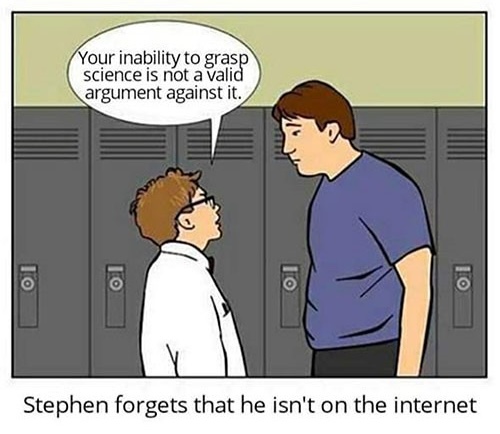
The term “keyboard warrior” exists precisely because of this digital weightlessness. When words don’t feel substantial, when there’s physical and temporal distance between typing and impact, people say things they’d never say face-to-face.
Would the average Twitter troll say those same vicious comments to someone’s face? Unlikely. The screen creates what psychologists call the “online disinhibition effect.” This happens when digital weightlessness makes online actions feel separate from “real life.” Birkerts compares this to traditional libraries, which “present a visual and concrete version of the depth of history.” In contrast, online text flattens everything. A thoughtful essay looks identical to an unhinged rant. All digital words share the same weightlessness, displayed in identical fonts on identical screens.
Cancel Culture: When Weightless Words Suddenly Gain Mass
Perhaps the most fascinating phenomenon in our digital communication landscape is cancel culture—when previously ignored or forgotten words suddenly gain tremendous weight.
Ten year old tweets, ancient forum posts, email exchanges from another life—these digital artifacts can resurface and transform from weightless pixels to career-ending evidence. It’s as if digital words exist in a quantum state, both meaningless and potentially devastating simultaneously.
This contradicts what Birkerts describes about words carved in stone carrying “the implicit weight of the carver’s intention.” Online, intention matters less than interpretation. The weightlessness of digital words shifts to heaviness only through audience reaction.
Finding Substance in the Weightlessness of Digital Words
So where does this leave us? Are we doomed to a world where words mean both nothing and everything? The answer might just lie in conscious communication. We should treat our digital words with care and means building spaces that encourage thoughtfulness over hot takes. Or maybe we should embrace this duality of digital communication. We can acknowledge both its flexibility and its permanence. Its casual nature and its potential consequences.
What do you think? Do your words feel weightless when you type them? Has that perception shifted when your words found an unexpected audience? Just don’t answer in the comments—those words might stick around longer than you think.


Leave a Reply