
The Message of Media: Old, New, and Knowledge
The mediums in which we acquire and share knowledge has transformed drastically over the past century. In Applen’s Old Media, New Media, and Knowledge, it depicts how old media, such as print and broadcast television, provided a much more structured flow of information, where knowledge came from experts and institutions. In contrast, new media, led by the internet and social networks, has increased access to information, allowing anyone to contribute, share, and reshape knowledge. This shift in media has not only changed the content we consume but also how we engage with and create knowledge. As daily internet users, we should understand how the shift in new media has altered our information intake in a way that is harmful to its consumers.
Print and Broadcast
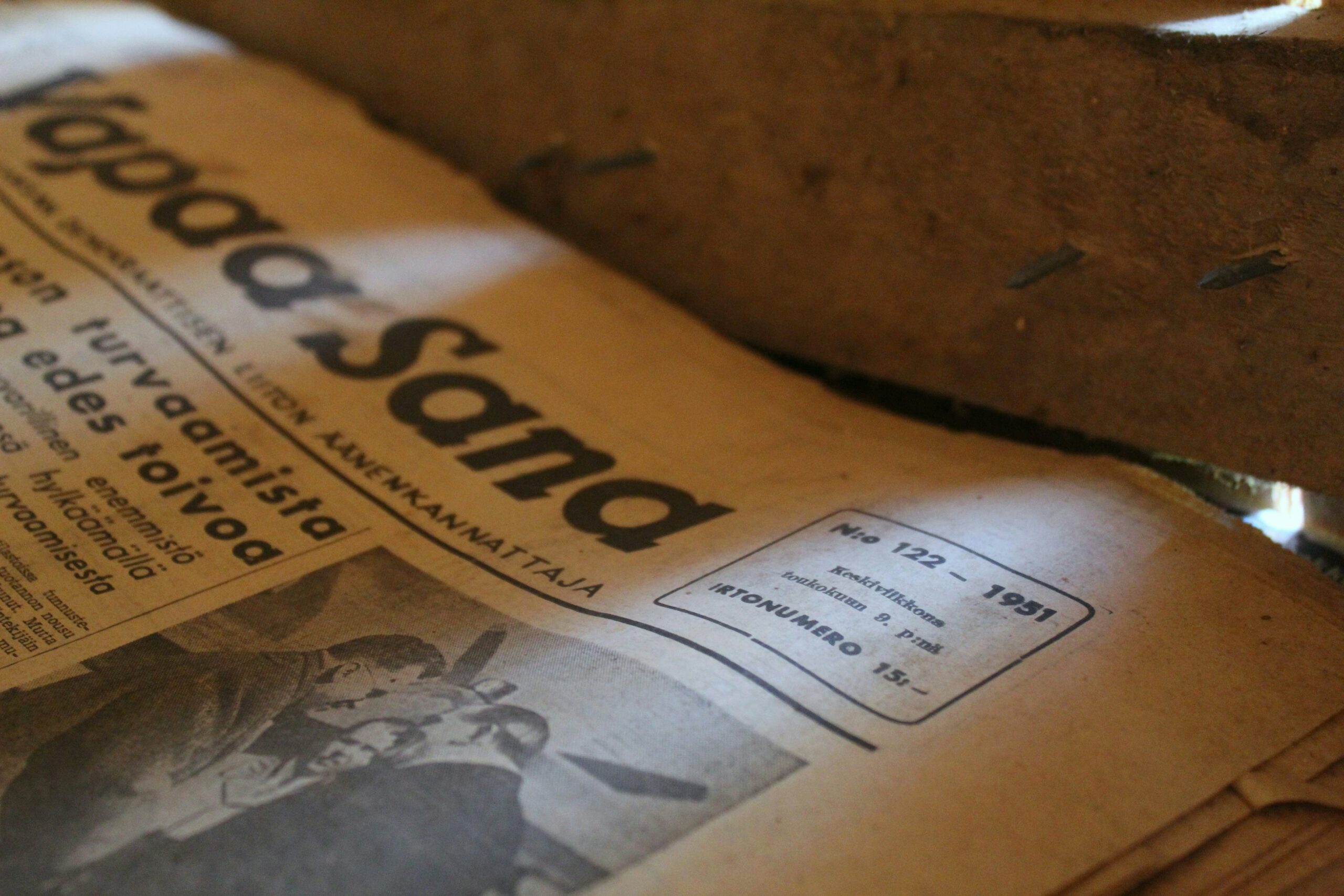
Old media such as books, newspapers, radio, and television, dominated the 20th century and defined how knowledge was transmitted. These forms of communication created a more linear, focused experience. I remember growing up watching my dad read newspapers every night after work after picking them up from the corner store every week. In retrospect, the process of unfolding a physical paper and reading through each section created some sort of deep engagement with the information, one in which the reader is less likely to get distracted by small pop-up windows.. McLuhan saw these mediums as “hot,” meaning they required less engagement from the viewer or reader. Television, for instance, presented a more controlled narrative, where the viewer absorbed information without much opportunity for interaction.
The Internet and Social Networks
In contrast, new media, like the internet and social networks, shift the landscape of communication drastically. These platforms are “cool,” inviting participation and interaction. For instance, scrolling through a news feed on my phone does not just deliver content; it presents an ongoing conversation. Through comments, shares, and likes, I can alter the course of the dialogue. McLuhan’s idea that modern day internet use encourages “participatory” engagement rings true here. These tools break down traditional boundaries, making knowledge not just something consumed, but something created collaboratively.
Influence on Knowledge
McLuhan’s theories also extend to the way knowledge is acquired. In older content forms, knowledge was often top to down meaning experts and institutions dictated what was important. Today, with platforms like Wikipedia and YouTube, anyone can contribute and produce knowledge. I have found myself learning everything from cooking recipes to game tutorials online. The accessibility of information transforms how we learn, shifting the power from traditional means to the collective wisdom of the intended viewers. McLuhan’s insights on media and knowledge demonstrate a powerful shift in how we communicate and understand the world. Understanding the impact of old media to the active participation in new media, the message is clear that media will shape not just what we know, but how we know it.


Leave a Reply