
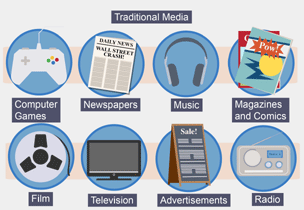
Introduction: The Digital Shift in Learning
New Media and Literacy have changed how people understand and share knowledge in today’s world. J.D. Applen’s “New Media and Literacy” from Old Media, New Media, and Knowledge explains how digital communication reshapes what it means to be literate. Instead of just reading and writing, literacy now involves navigating technology, online platforms, and visuals. As a preschool teacher who once taught ESL, I see how this change influences how students learn, express ideas, and communicate in new ways. The essay How New Media and Literacy Shape Modern Communicationexplores these changes and their impact on daily life.
Technology and Modern Communication
Applen describes how literacy has moved beyond print to include digital and interactive forms. Students today learn through videos, images, and apps that demand different skills from traditional reading and writing. In my classroom, I notice that young learners often engage more when lessons include songs, digital stories, or visuals. These tools help them connect language to real experiences. It made me realize that literacy is no longer limited to paper but now includes understanding how technology conveys messages.
Digital Literacy and Critical Thinking
Applen emphasizes that new media requires critical thinking about how information is shared. Students must learn to question sources, analyze visuals, and interpret tone in digital spaces. This connects to my ESL teaching experience, where I encouraged students to think about how words and images influence meaning. When students read online articles or watch videos, they need to evaluate what is true or misleading. That ability is part of being literate in today’s world.
Personal Reflection and Connection
Reading this text made me reflect on how much my teaching depends on technology. I use digital tools daily to create lesson plans, communicate with parents, and design learning materials. It has shown me that being literate today means being adaptable and creative. I also thought about how children naturally absorb digital skills at a young age. They often teach adults how to use technology, showing that literacy now flows both ways between generations.
Expanding Literacy Through New Media
Applen’s ideas remind me of an article titled How Digital Literacy Is Redefining Learning by Edutopia. It discusses how digital tools prepare students for real-world communication and problem-solving. Both Applen and the Edutopia article highlight that literacy is about understanding and creating meaning in multiple forms. This connection made me appreciate that literacy evolves with culture, technology, and education.
https://www.edutopia.org/article/digital-literacy-redefining-learning


Leave a Reply