
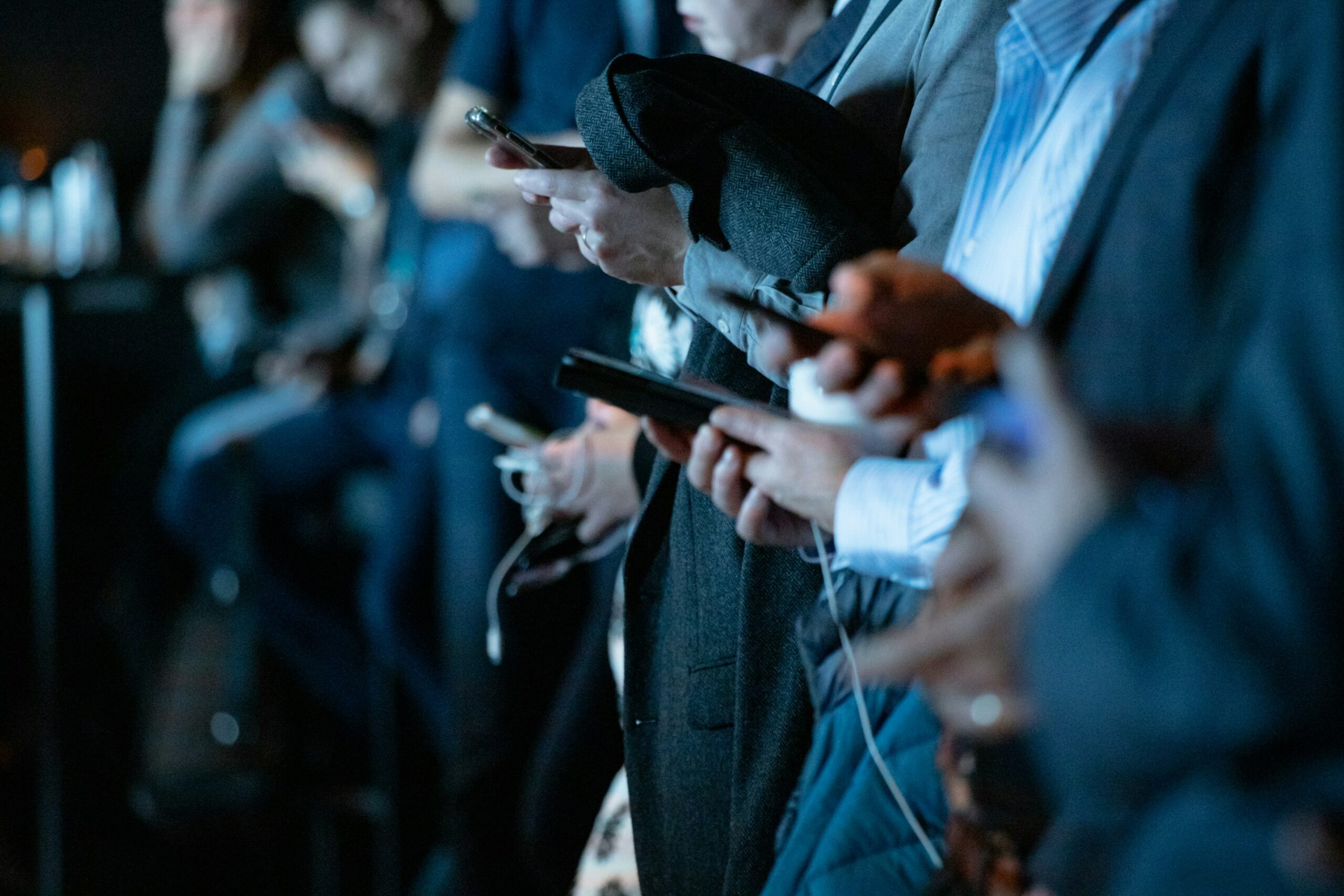
Printed text leaves little to the imagination. With text no one ever really takes note of the font that was used, the text size or the line spacing. It is simply read, and analyzed in a contextual sense rather than in imagery. Lanham argues that people take more liking to information on a screen. When we take in information from a screen,”the text becomes unfixed and interactive” and the reader can “change it,” and assume the role of writer (31). Lanham tells us that the “electronic word” that we come into contact with on our computer screens affects our perception or “human sensorium” differently than the traditional printed word.” (Lanham, J.D Applen 2015).
He argues that this type of literacy limits interaction. The idea is that printed literacy is very limited, and black and white. Whereas literacy incorporated with media gives people more to interact with, like pictures, and or videos. It allows the reader to see different forms, and further show more evidence to whatever the text may be about. Online text allows you to interact with it in the sense that you can change the font or the size. “We sense that text on a screen is more dynamic and changeable, that we can question it and interact with it,”(J.D Applen 2015).
There is a certain freedom that online literacy brings to the table. There are less limitations to what can be changed, added, and designed than traditional written text. Typewriters had their limitations as well. Even though it was thought to be a more sophisticated and newer form of writing at the time.


Leave a Reply