
Speaking vs Writing
After reading JD Applen’s section Speaking, Writing and Literacy, I discovered pros and cons to both oral learning and written learning. People learn very differently between both forms, and both of them conflict with each other. Applen describes the setbacks of written learning. Written words remain unchanged and “just sit there on the page” (Applen 4). Written communication is final, whereas oral communication is more clear and speakers can elaborate in the moment. However, the downside to oral communication is that when oral speech is written down, it does not translate very well. Reading something that has been previously spoken does not give the same effect, and the speaker loses somewhat of their “inventive thought processes” (Applen 6). Writing consumes “orality” (Walter Ong), thus limiting speech to an interpretive state, as opposed to its original form with inflections and mannerisms.
Learning Texts
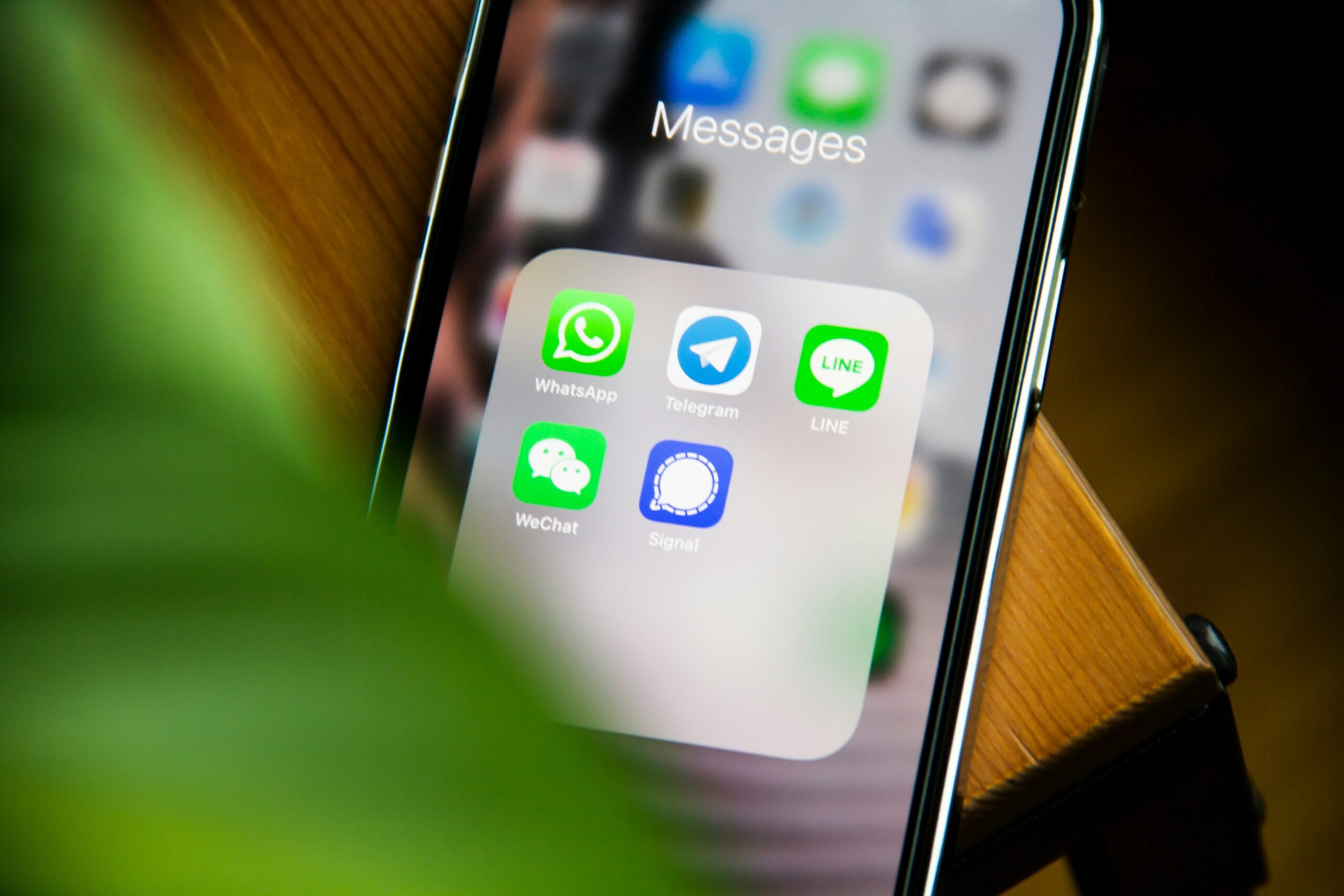
In the modern world, we use a lot of written communication. One of the most popular forms of written (and digital) communication is texting. Younger generations are more familiar with texting, as it is a more recent phenomenon. Texting is quite similar to posting on a blog or on X (Twitter), in the regard that we write the way we speak. Of course, in the modern world, many people use acronyms and slang in their texts or posts as a means to save time. However, the recipient misconstrues or misinterprets a lot of texts because there is no inflection in written communication. Sometimes, folks capitalize words, phrases or even the entire message to emphasize urgency, importance, or high energy. Yet even that can confuse a recipient.
Limited Communication
Take for example, “Can I call you?” Without hearing the sender speak these words, the recipient may have no idea of the sender’s intention or mood behind this text. Perhaps the recipient thinks the sender is upset and needs to clear something up with them on the phone. Maybe the sender is going through a rough time and needs to vent. Or perhaps they just miss the recipient and want to catch up. There are certainly other ways to send this same message in a way that indicates a specific intention. For example, “can i call youuuuu?!” suggests a very enthusiastic, positive connotation, at least within younger generations. That same message capitalized suggests more urgency and eagerness. Yet the recipient still does not know why the sender wants to call, unless they receive a follow-up text.
I personally have had issues construing texts, as someone with Anxiety. Texting is a fast, convenient, time-saving method of communication. However, it lacks the emotion and essence of oral communication, the natural essence of speaking verbally. Applen makes wonderful points and draws upon the likes of Ong to make it known that there are downsides to both oral and written communication. Each form limits the other, especially when speech translates to writing. Texting is simply a modern form of this limitation.


Leave a Reply