
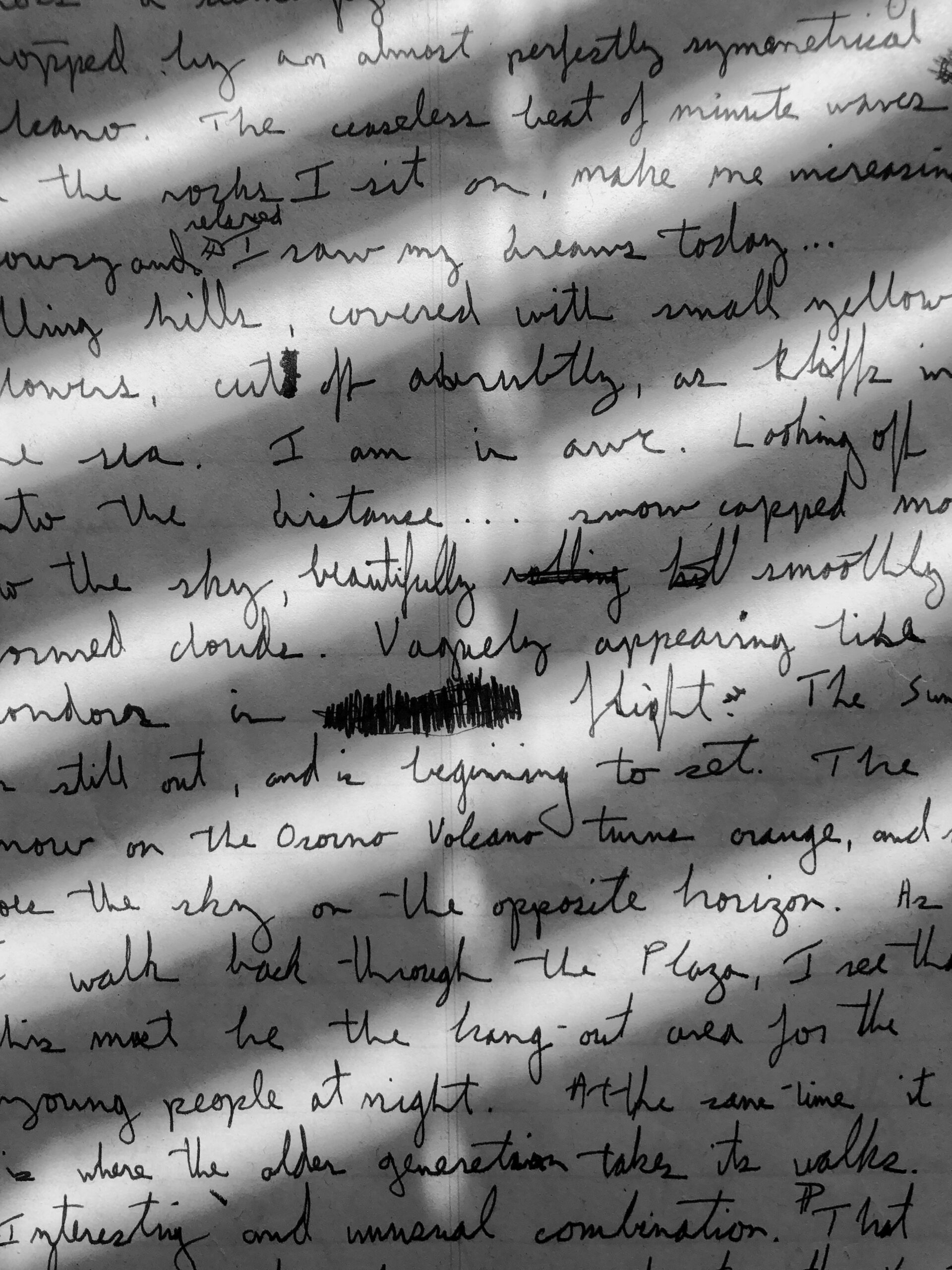
I used to think of “text” as something simple, found in a book, article, or speech. Digital rhetoric changed my perspective. It isn’t just words on a page anymore. Today, anything can be “read” and interpreted. From social media posts to interactive websites. Even memes and GIFs are texts with their own messages and stories.
Text gets more interesting when you see how it works. De Beaugrande and Dressler say that it is any communicative event that meets certain criteria, like cohesion, coherence, and intertextuality. A tweet’s impact isn’t just about its words, but also how it links to other online conversations. Texts are like a web, always interacting and changing.
I’ve seen this evolve in fascinating ways with the rise of digital media. It’s no longer just about words on a page or a screen. Now, text is dynamic and interactive. A tweet isn’t just a sentence; it’s part of an ongoing conversation. A meme isn’t just an image; it’s a cultural statement loaded with context and humor.
Digital text is more fluid and connected than ever before. It links to other messages, draws on shared knowledge, and even adapts to different audiences. It’s wild to think that a single post can spark global discussions, influencing how people think and feel.
I also think it has gained a sort of agency. Interactive websites and social media algorithms shape our experiences, guiding us to specific narratives or ideas. It isn’t just something we consume because it responds to us, changes with us, and influences us in ways traditional text never could.


Leave a Reply