
When you see or hear the word “text”, what comes ot mind? A text on a messaging app? A textbook? A graphic design? An annoyingly long academic article you need to read for homework?
In the world of digital rhetoric, text can refer to any of those things, and much more. Text and the way we use it are ever evolving, let’s unpack.
So What Is a Text?
Not that long ago, text mainly referred to printed literary works. However, you don’t need me to tell you that that definition doesn’t cut it anymore. In our screen-filled world, text is any communicative object that can be interpreted. This is a really broad definition, but it makes sense if you think about how broadly we tend to perceive things as “text” anyway. Typed out/printed words anywhere can be text: emojis, memes, digital clock displays, smart fridges, movie subtitles, song lyrics, this blog post – you get the point. Basically, if it communicates something and you can read it, it’s a text.
Text as Design
As Kress said, text isn’t just written, it’s designed. Every text you see anywhere, someone made a conscious decision about (unless it was AI-generated). The way text looks, sounds, and behaves are all conscious design choices that affect how we interact with it.
Take Duolingo, for example. The cute little owl, the gamified rewards, the praise it gives you for keeping a daily streak, and the guilt-tripping texts it sends you when you forget to log in? All of that is textual design with the goal of keeping you on the app.
Let’s say you’re on Duolingo. That cute little owl, the gamified rewards, the ding when you get a question right? All of that is textual design aimed at keeping you learning (and low-key guilt-tripping you when you forget).
Layers, Not Just Letters
Ali Darwish argues that text is comprised of six different layers: contextual, cultural, temporal, intentional, and intertextual.
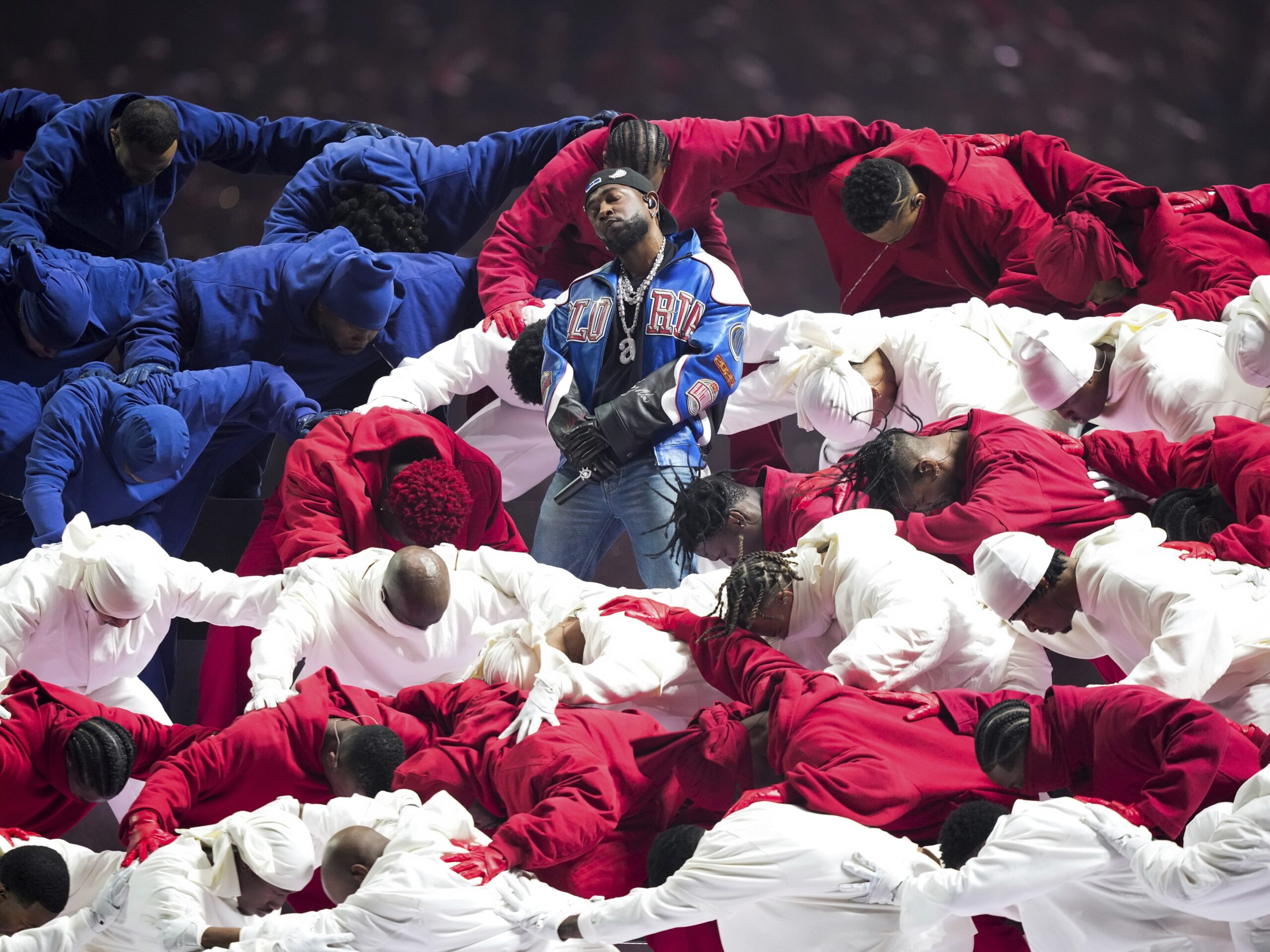
Take Kendrick Lamar’s Super Bowl performance last year, for example. It is: a musical text, a visual narrative, a cultural & political statement, and an epic diss track.
The Big Takeaway
Text doesn’t just have to be something you read on paper or print. You can scroll through, click on, remix, hear, interact, and even sometimes talk to it. Having an understanding of what text is lets us interact with the digital world more effectively.


Leave a Reply