
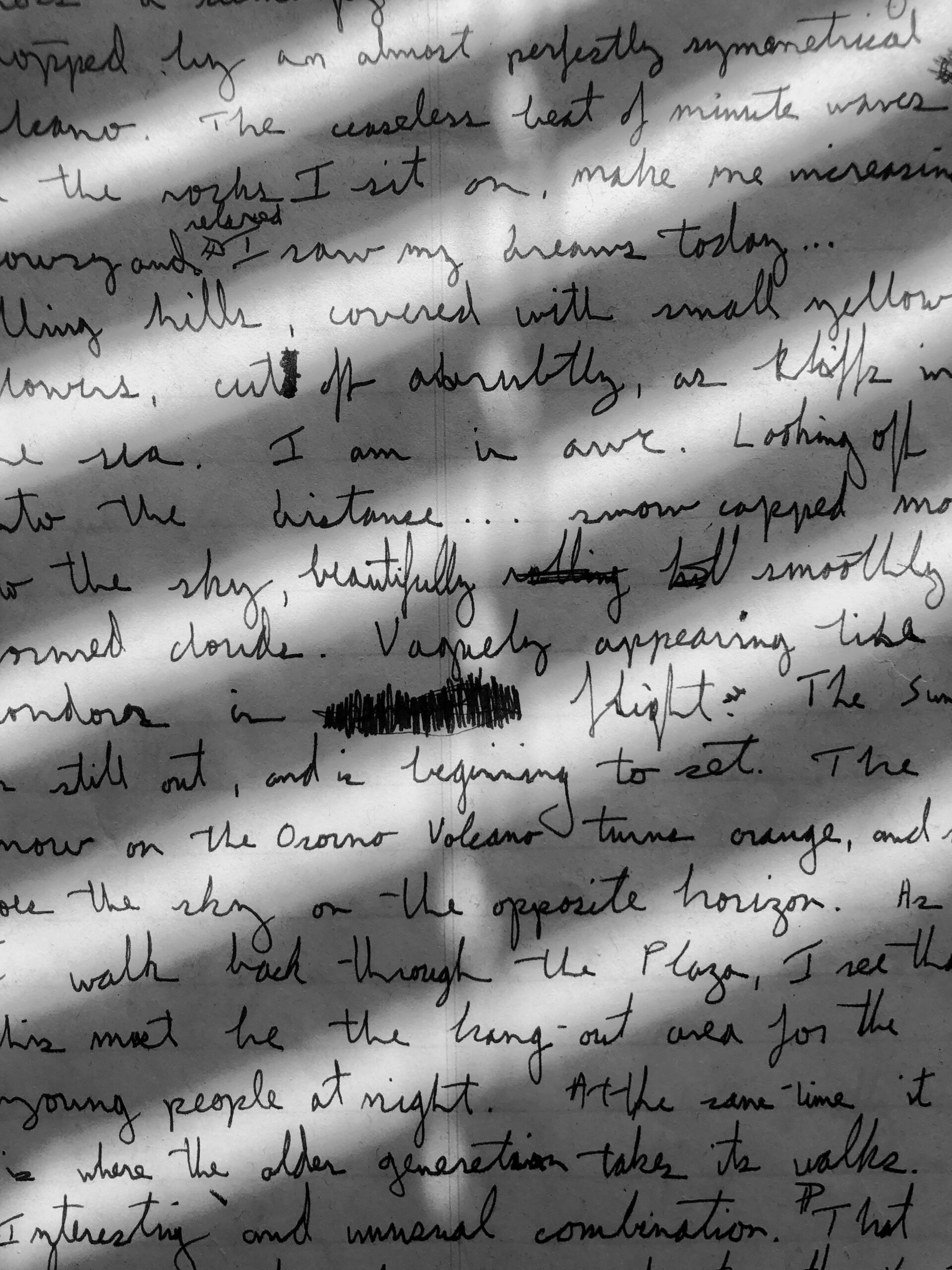
In today’s modern world, when we think about text, we think about messaging other people on electronic devices. Doug Eyman wrote in his study Defining and Locating Digital Rhetoric, that this does not have to be just digital. If you really think about it, Eyman is not wrong. He defines it by citing Robert de Beaugrande and Wolfgang Dressler, ” a communicative event.” In my opinion, that is a valid definition as text is a way to communicate.
This term dates back to pre-digital days. Ancient Egyptians’ use of hieroglyphics would count. The Catholic bible is, as well as any other religious written work. Eyman explains how Ali Darwish breaks the word down into six different layers: textual, contextual, cultural, temporal, intentionality, and intertextuality. If you think about it, hieroglyphics is a perfect use of those six layers. The first three layers are self-explanatory. Textual relates to, well, text. Contextual has a meaning for what is being said – there is context behind it. Cultural relates to the Egyptian culture in this case, but can relate to any culture. The term “temporal” in this case to relates to time. Hieroglyphics were used in the past, but were used in what was a present moment. Intentionality was to get the message across. Intertextuality makes each word relate to one another, as explained in previous blog posts.
Text is such a broad term to define, because it is used in so many different ways. It is defined in the Oxford Dictionary today as, “the main body of a book or other piece of writing, as distinct from other material such as notes, appendices, and illustrations.”


Leave a Reply