
Text, as defined by Johnson Eilola, are objects. They don’t have to be just printed words or words influenced by speech. Instead, they’re anything that can be ‘read’. Read as in analyzed, interpreted, and digested because of their many layers and contradictions (Eilola 2013, 33). Eyman encourages his audience to constantly revisit texts because they’re not “fixed.” There are areas where connections don’t align or offer simple answers, inviting deeper analysis (p 21).
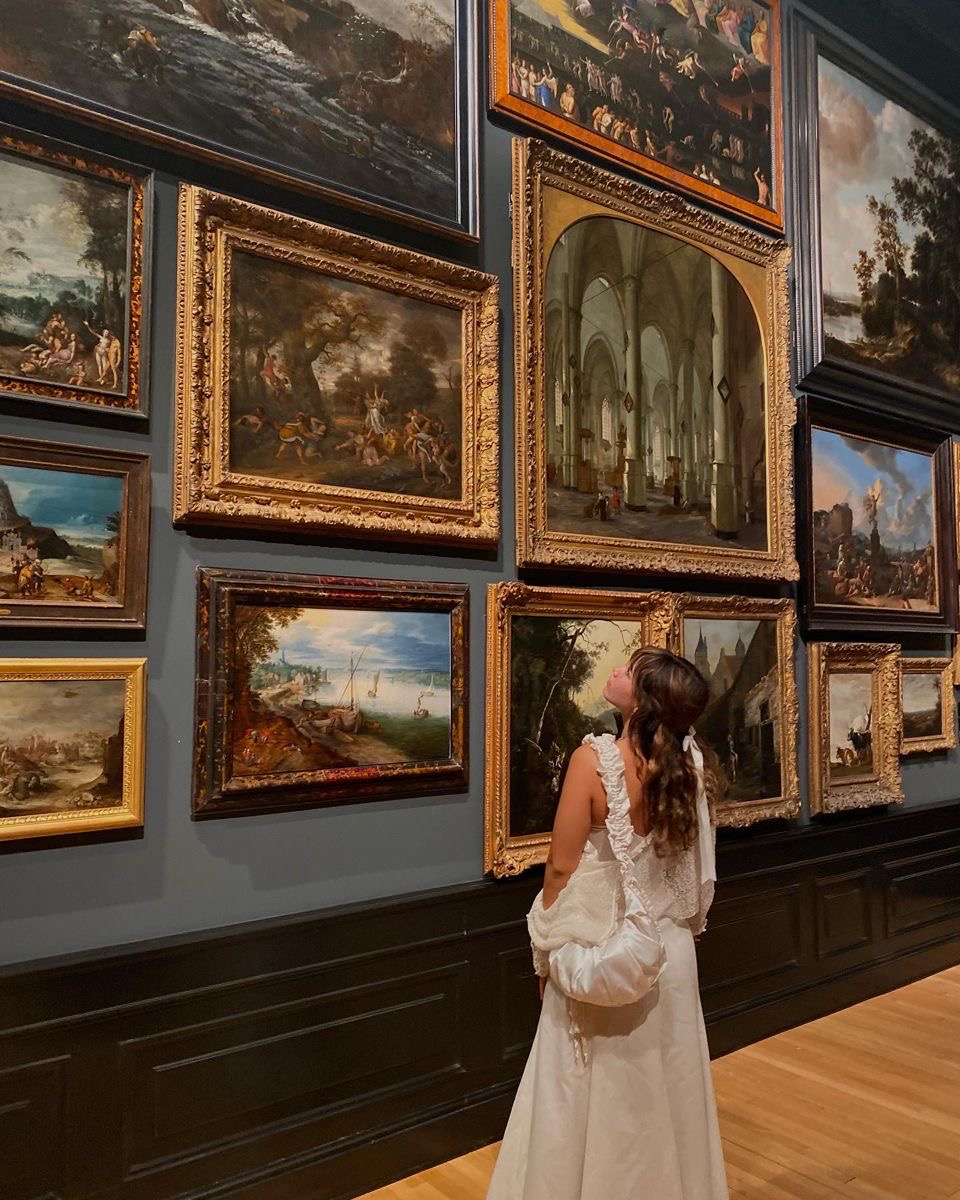
To me, that mimics the process audiences go through at a museum. I know now that “text” isn’t just the words I read or write, but all/any form of media. When I visited the MET museum for the first time, I spent three hours scourging its floors. Constantly revisiting art pieces that spoke to me and made me think. There was this one piece I couldn’t fully grasp yet, was so fascinated by my confusion of it. The gaps within the piece were recognizable. There was a guy I kept seeing, drawing what he was saw. Probably to understand it better as I kept coming back to it. I thought of it until I felt like I reached peak interpretation. I think all art, rather text, work like that by using the element of aesthetic (Gunter Kress, 2003).
According to Stephen Maillox (2002), texts have rhetorical features that pertain to analytic methods while being productive art. We all know rhetoric is a method of interaction and change. It moves its audience from one place to another, different from where they started. I wonder if anything up for interpretation, like a contemporary dance piece, would be considered text. Does it have to be digital to meet the criteria for textual rhetoric?
To read more from me, visit my recent blog post!


Leave a Reply