
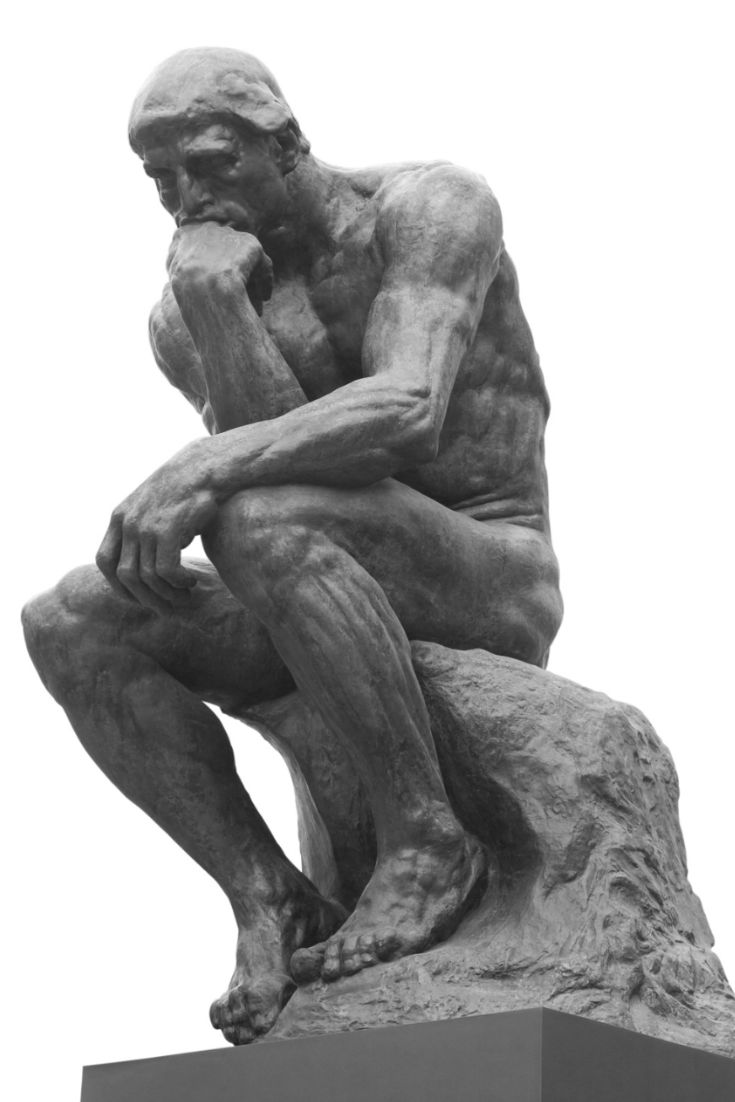

Ponder over the quote, “the medium is the message,” said by Marshall Mcluhan. Can’t? Well, that’s because pondering is a dying art. According to Nicholas Carr, the internet has completely screwed with our ability to critically think, process, and analyze (essentially, ponder). We now spend an increasing amount of time reading mere snippets off the web instead of taking our time with longer pieces of information. It gives us quick facts for easy solutions, whether or not the problem itself is ‘easy’. This has also diminished our ability to read, concentrate, and write the way humans used to pre-internet days. Change is one of the main concepts of a medium’s message.
Medium’s Message
Media, in this sense, means technology. The message of varying technologies is determined by its larger effects on society and, the change in scale, pace or pattern it introduces “into human affairs.” (McLuhan, 8). In simpler terms, the medium’s message changes the way we live our lives, including our habits and perceptions. Furthering my point of the internet, before we had access to the web, we didn’t even know receiving facts could be that quick. Mcluhan recounts a time where he had to scourge the library for hours for research. Only to sit down and read for hours more. That seems like a foreign concept to me. I can’t remember the last time, if ever, I went into the library to find actual information. Whenever I do go, it is only for a quiet place to study the material that has already been given to me. The patience and skill it would take for me to find information on my own, is unfortunately a literacy I don’t think my generation has.
The internet’s message then, is that of its change on society. It tells us, you don’t have to waste time anymore searching books or real-life experiences for answers, you only need a quick google search. This notion has changed our problem-solving skills forever. For better or worse. Though, like Mchoulan also states, the internet can be a “godsent,” the downsides are more apparent. Technologies that grant us easy access to facts or concepts, do not help us solve real, difficult problems. (p.24).
We might not be able to do anything about a technologies message, as that is completely up to the inventor, but we can think about it:
“Think about the “message” of other contemporary media in the way McLuhan would… Think about other media such as the World Wide Web. What is the effect or “message” that they have for our culture?”
What’s Youtube’s Message?
So, ponder with me here. In The Politics of Platforms by Torleton Gillespie, she brings up youtube. Youtube is one of the most popular platforms of the technology that is the internet. Gillespie explains how digital platforms like youtube hide their message. They “strategically” present themselves as open for all people and neutral while concealing systems of control. Youtube doesn’t just host videos for small and big creators, as it claims. It recommends, removes content, and curates algorithms. A rhetorical strategy that serves the interests of creator participation and corporate infrastructure. A midpoint concept known as a “discursive resting point.”
Since the message isn’t clear to the naked eye, it’s up to us to decipher. Without Youtube, we wouldn’t think it was possible to curate in this way. Creating, editing, and sharing videos has changed the way we live. You can go to the gym now and see yourself in the background of someone’s “Gym Session: Abs Day,” video. We can do more research after class by watching John Green’s revolutionary History videos. Youtube has its benefits for sure and yet, that doesn’t mean we can’t challenge its downfalls. The midpoint Gillespie talks about, affects our digital autonomy and privacy. Youtube, for me, sends two messages. One, document and share your life no matter how little of a following you have. Two, create what you want but know, we’re still in control.
How can we make media, platforms, and their message, work for us? Thanks for pondering with me. To read my last blog, click here!


Leave a Reply