
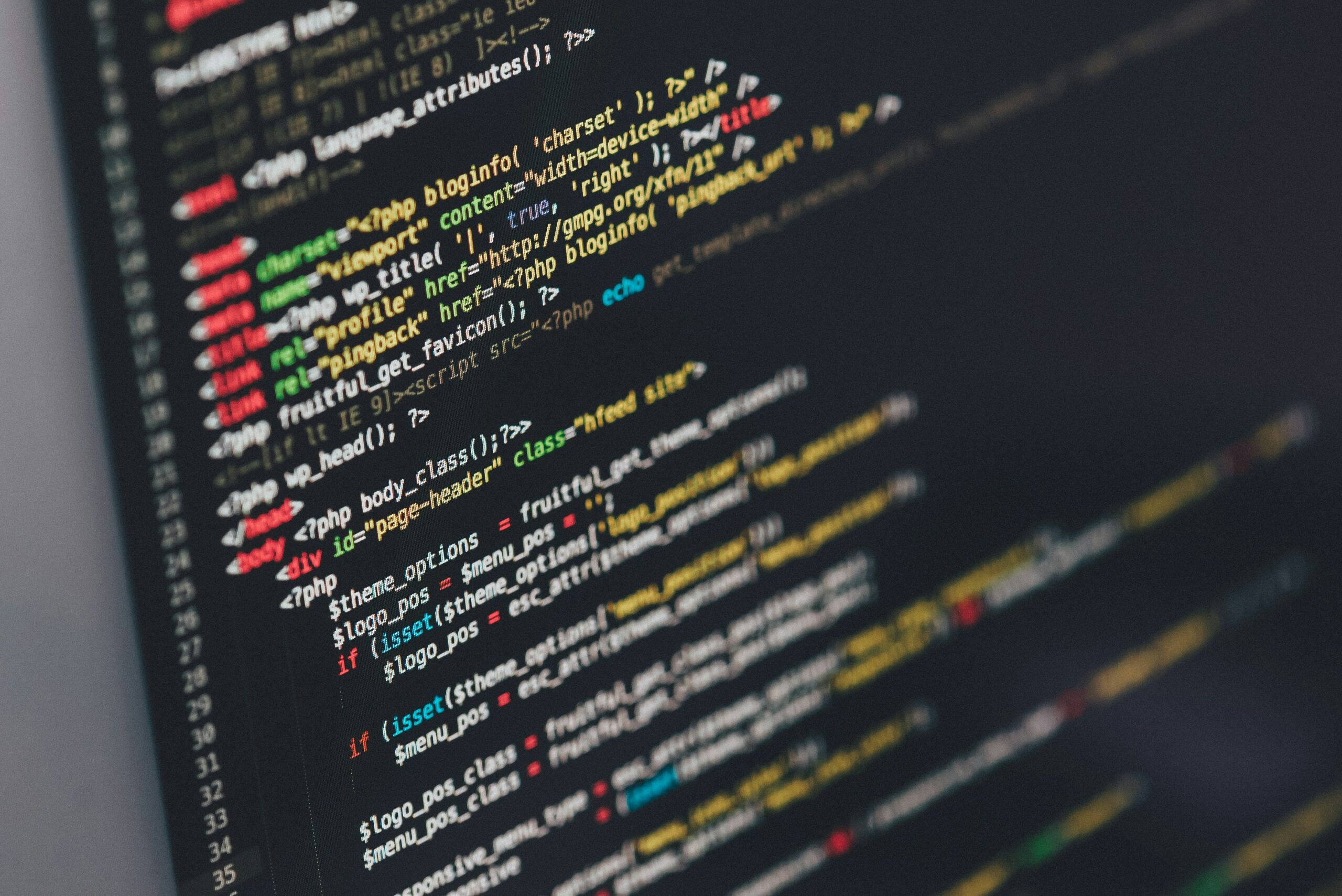
When we talk about computers, we usually think of code as rules that tell a machine what to do. But Brock’s idea of understanding code as rhetoric helps us see code in a new way. Instead of viewing it as only technical steps, he says we should notice the messages and values inside it. Code does not only “work.” It also communicates. It shapes how people act, what choices they can make, and how they experience technology.
Brock explains that understanding code as rhetoric means asking simple questions. Who is this program made for? What does it push people to do? Who might it ignore or leave out? When we ask these questions, we see that code carries ideas about what is “normal” and “important.” It also shows who matters in the digital world.
Another part of understanding code as rhetoric is noticing that people who write code make choices, even when they are small. These choices shape how users move through apps, websites, and games. For example, if an app only gives one way to sign up, that is a message. If a game only shows certain types of characters, that is a message too. Design can guide us, and sometimes it can limit us.
When I first took a coding class in high school, I had no idea what I was doing. The screen was full of symbols, and I felt lost most days. But even while struggling, I saw why the school wanted us to learn code. It was a way to introduce students to STEM and show how technology shapes the world.
Even when my code failed, I noticed how each choice changed what the user could do. If I set up a button wrong, the program acted differently. If I missed a step, the user got stuck. That experience taught me that coding is more than typing commands. It is a tool where every decision shapes someone else’s experience.


Leave a Reply