
The Rhetoric Behind it
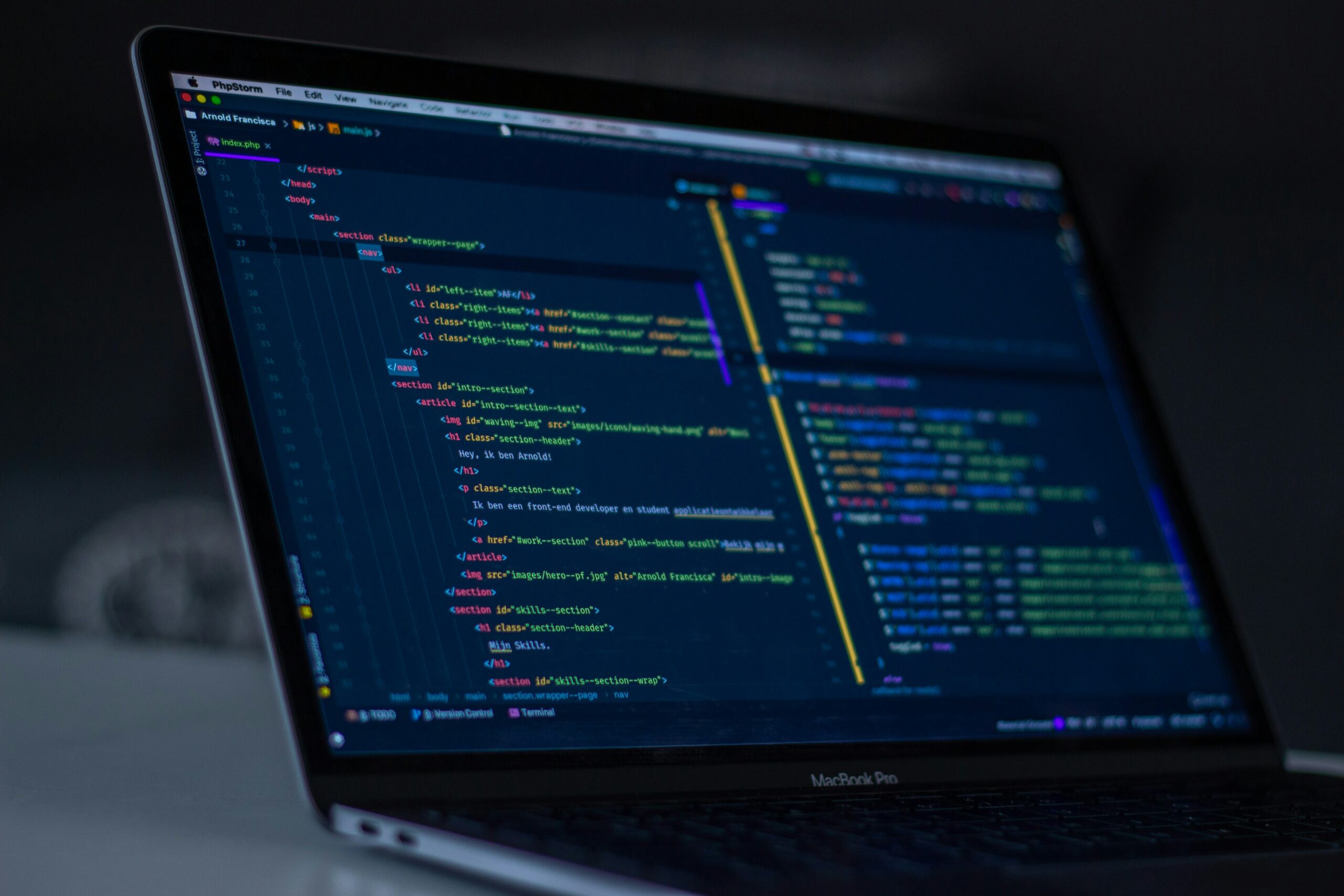
Most people think of writing as something found in essays, speeches, or social media posts. Kevin Brock, in his chapter Toward the Rhetorical Study of Code, invites us to think differently. He explains that code, although technical, is also a form of communication. It is written with intention, directed at both machines and human readers. That makes it rhetorical.
Learning from the Heartbleed Bug
Brock introduces the Heartbleed bug, a small error in OpenSSL that allowed private information to leak from major websites. The bug lasted for two years and affected platforms like Amazon and Wikipedia. Although the fix only required a few lines, the consequences were widespread. This example shows how something written in a programming language can impact millions. It helped me understand that it’s not just about function but also about meaning.
How Developers Use it to Communicate
One part of Brock’s chapter that stood out to me was his discussion of code comments. These are notes developers leave within the code to explain what it does. While computers ignore these comments, people rely on them. They help future developers understand the logic behind the work. These comments show that writing inside code carries purpose, clarity, and audience awareness. It is another way people communicate with each other through technology.
Why This Perspective Matters
Brock’s chapter helped me see code as more than just a tool. It reflects the choices, values, and goals of its creators. In a world shaped by software, learning to read code as a form of communication can help us make more thoughtful decisions. Understanding the rhetorical nature of it allows us to use and create digital tools with more awareness and care.
This perspective also opens new doors for educators, writers, and everyday users to engage more critically with the digital systems around them. Rather than viewing code as something distant or overly technical, we can begin to see it as a space where real conversations happen. Whether we’re coding, clicking, or simply scrolling, we are constantly interacting with choices that were written by someone, for someone. Recognizing this helps us become not only better users of technology but also more mindful participants in our digital world.


Leave a Reply