
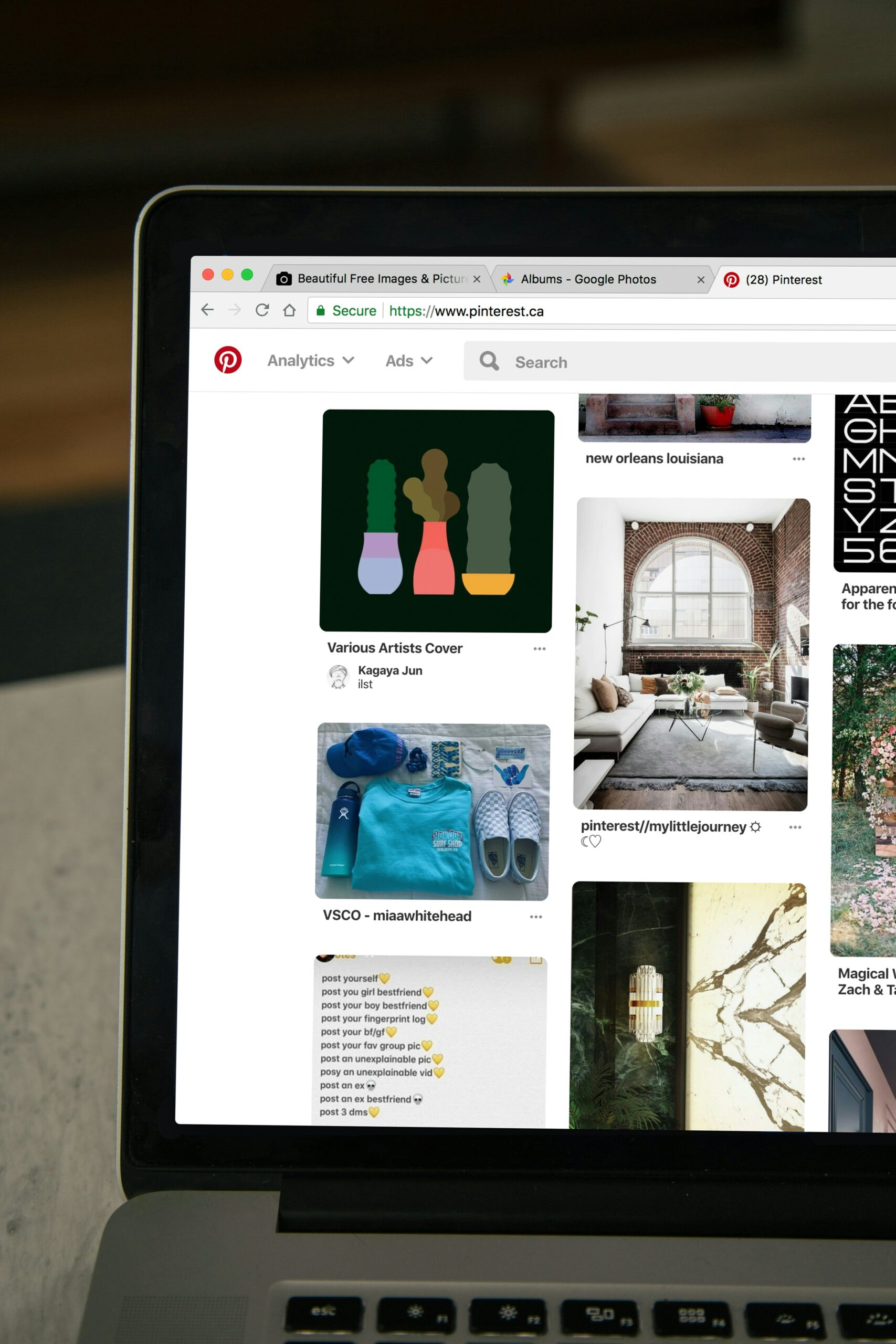
The foundation of Pinterest lies behind its coding. According to the text Rhetorical Code Studies: Discovering Arguments in and around Code, code should be understood by what it is able to do to the world culturally and rhetorically. Pinterest is a strong example of this, as the platform provides users with a strong, natural-feeling algorithm. However, it actually shapes user experience through its algorithm. It does so as it provides people with posts related to their identity, goals, and lifestyle.
At the most simple level, Pinterest can curate a feed for each user by analyzing which posts they “pin” and click on. Based on this, they can insert ads into the user’s feed. By doing so, they wish for them to spend longer amounts of time on the platform, driving them more profits. By these means, the purpose of the code is to stay relevant while connecting them to ideas they resonate with.
Pinterest is Clean
Pinterest resonates with the world culturally by creating an aesthetic visual for a person’s most perfect life. Its algorithm amplifies certain lifestyles that people glamorize and are inspired to have. Examples of these may revolve around fit people, having a clean home, and a very minimal lifestyle. They often repeat the same trend of posts to have peoples feeds seem as though the result of a bigger global effort rather than something only one person sees.
Pinterest is Not Messy
On the other hand, Pinterest does not push posts that they do not want associated with its name and image. Pins such as these include anything messy, maximalist, or anything that may seem controversial, and do not have any spotlight shed on them. This further amplifies the rhetorical code of Pinterest, being that the absence of topics not aligned with the app’s image is decentered. All of this is done to build up the image it wishes to hold.
The Algorithim Shapes Identity
Because of Pinterest’s algorithm, its’ code prioritizes certain images over others. This helps them to assign its own value to their name through their aesthetics and identity. Users relate to this, and therefore, Pinterest attracts their ideal audience through its physical, cultural, and rhetorical effects on code.


Leave a Reply