
Anonymity Online
At first, this felt like I was reading the Epstein files with all of these redactions throughout the article. Then I realized this use of blacked-out text displays the significance of anonymity online. Our first question: why? Students are using anonymous apps, in short, because they are popular. Most children are constantly trying to keep up with their peers, whether that be the newest game, newest trend, or newest anonymous site. Some people use anonymity as freedom, protection, or an undisclosed identity. Depending on how you view it, will impact how you use it.
Anonymity Turned Bad
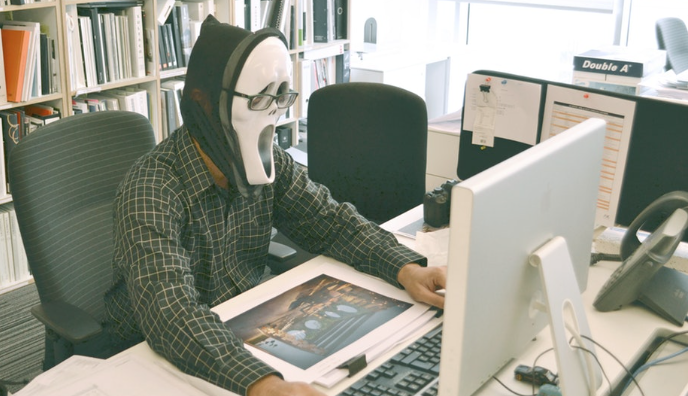
I remember social media popping off when I was around middle school age. Nothing was more important to me than my MySpace profile. Then, of course, we had Facebook, Twitter, and Instagram on the rise. A few other apps tried to make it, but unfortunately they just didn’t survive. Something new that came out was a platform where you can ask people random questions anonymously. I think the most popular platform during my time was Formspring or Ask.fm. Most people used these platforms as a way to expose deep, dark secrets or bully others from an anonymous identity. These platforms allow people to put on a mask and speak freely without any consequence, since, of course, no one knows who is writing these things. It got really ugly, and the school struggled to keep up. Many children did not recognize the influence this had on others in real life, not just online.
Online Anonymity in the Classroom
I wonder if there is a place for online anonymity in the classroom. If there was a way for students to ask questions anonymously, this may benefit learning. Many times more than one student has the same question. Then, the teacher can receive the questions privately and publish their answer publicly for the whole class to see. This can help clear up confusion on a particular topic without students having to feel embarrassed to ask a “nonsense question.” However, depending on the students’ age and maturity level, it may become a platform for unkind questions/feedback. Simply because they know they can get away with it. In my personal experience, anonymity online has not been a positive. There may be a place for anonymous questions in a classroom, but teachers must monitor these platforms closely to avoid negative repercussions.


Leave a Reply