
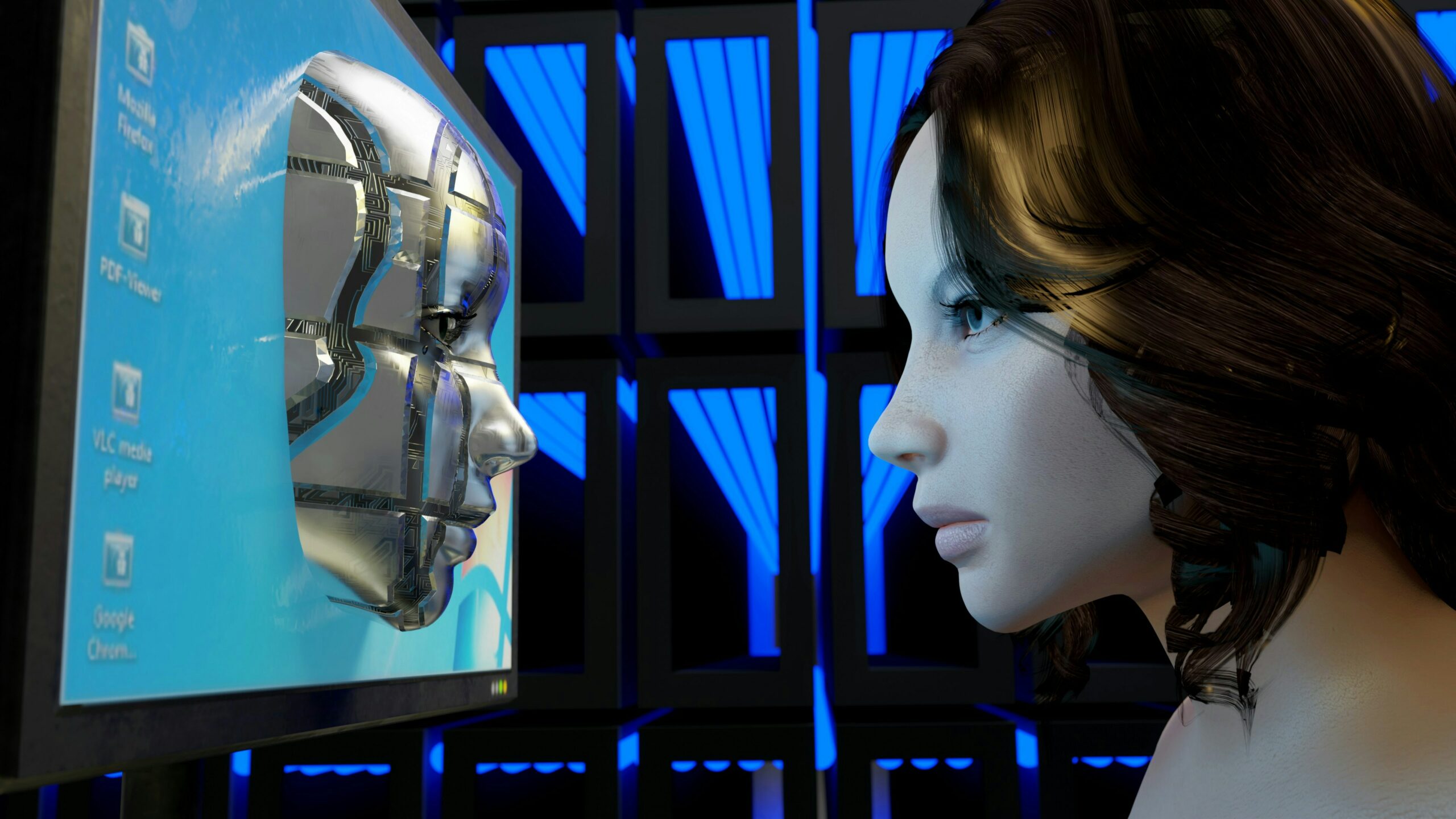
What keeps coming up for me is how much we rely on digital systems without really questioning what’s happening underneath them. It’s easy to focus on whether something works, but not necessarily on how, or why, it works the way it does. That’s where the relationship between Human-Computer Interaction (HCI) and digital rhetoric started to feel more complex.
Both fields center the interface, but they don’t treat it the same way. HCI is more focused on designing systems that are efficient and usable. That makes sense from a technical standpoint. But digital rhetoric pushes past that and asks what those systems are actually doing in terms of meaning and communication. It shifts the focus from function to interpretation. This feels necessary when so much of our interaction with technology happens almost automatically.
Interactivity
The idea of “user empowerment” also stands out, mostly because it doesn’t feel as straightforward as it sounds. HCI supports users by improving usability. But digital rhetoric raises the question of who really holds power in these interactions. Are users actually in control? Or are they navigating systems that have already been shaped by designers and larger cultural forces? That tension makes the overlap between these fields feel more like a negotiation than a clear partnership.
Critical code studies pushes this even further. By framing code as something we can read and interpret, it isn’t just being used. Seeing code as a rhetorical and cultural object makes it harder to treat technology as neutral. It reinforces the idea that meaning exists at every level. Even in places we don’t usually think to look.
Overall, I see digital rhetoric as something that connects these different fields while also challenging them. It doesn’t just ask how systems function. But what they create, reinforce, and prioritize. That feels like the more important question.


Leave a Reply