
Technology & Society
Human-Computer Interaction (HCI) is critical to examine, given the growing impact of computer technology on society. Humans write the code, but once it is ready, it starts to rewrite us. Marino 2006 discusses when applied to the humanities, the study of “the meaning of code to all those who encounter it both directly by reading it or indirectly by encountering the effects of the programs it creates.” Critical code studies examine this and its implications for race, class, gender, sexuality, and as a cultural object.
Bias in Code
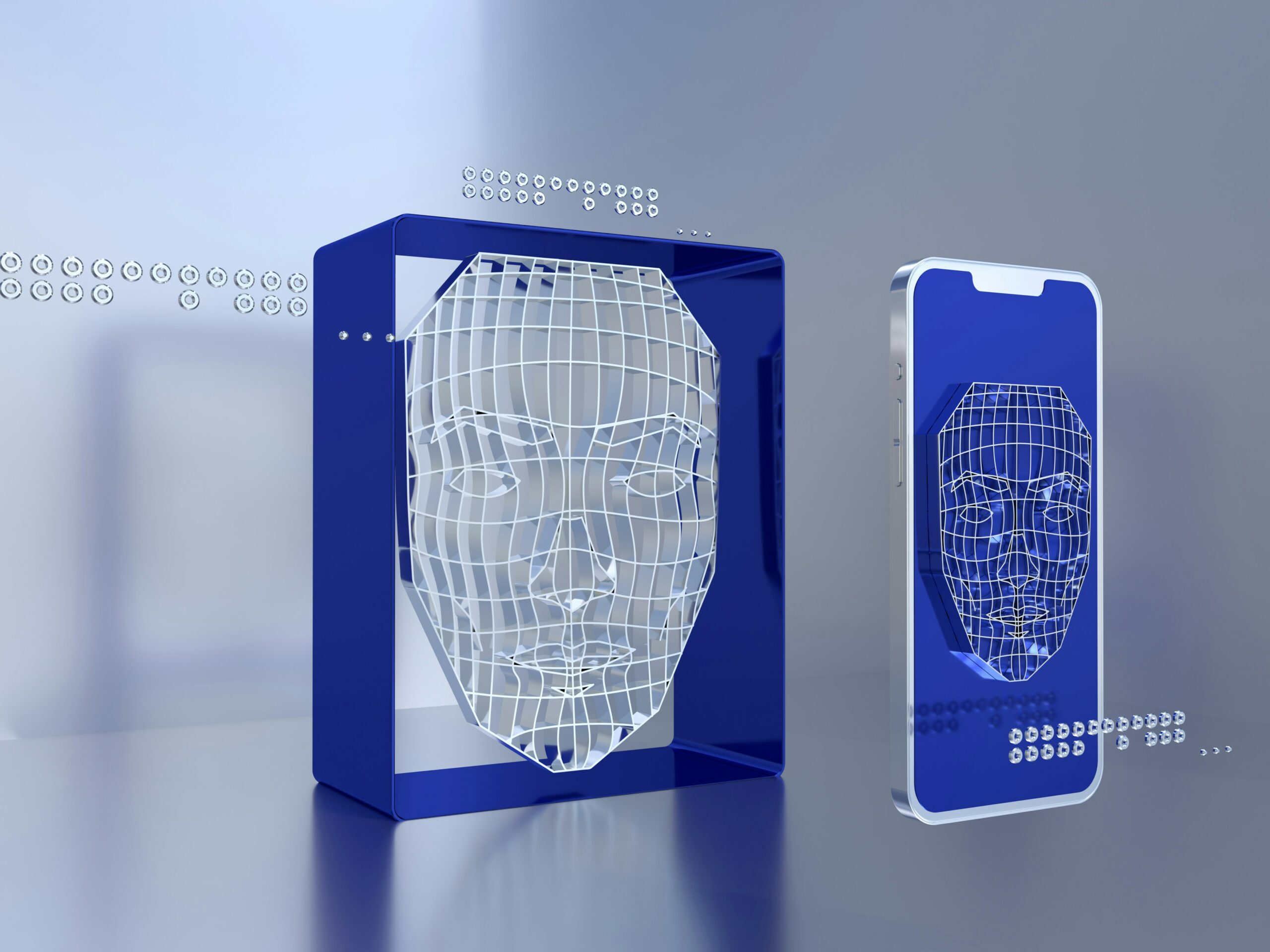
With this knowledge, Marino has stated that code is not neutral. It is impacted by its developers and systems biases. For example, facial recognition systems have a much harder time identifying darker skin tones. This occurs because the data used to test these systems (usually white users) is the basis by which the code, in turn, analyzes. Since code is written by humans, it is impossible to be neutral, as it is embedded with its creators’ biases. Whether consciously or subconsciously.
Computer technology has expanded our ability to connect and communicate with more people than ever before. Through social media, online news, and the internet in general, we have the world at our fingertips. However, what we see is largely based on the algorithm. Which, again, was created by humans, but takes on an identity of its own in the digital world. These algorithms filter for us what will keep us engaged and scrolling. However, it is important to recognize the impact these systems have on our personal views, given the limited content we are exposed to without intentional searching. In this way, the meaning code creates, and human-computer interaction impacts not just how technology views us, but also how we view the world.


Leave a Reply