
When we look at images, ads, or videos, have you ever been persuaded more effectively than words could? It is because Visuals, by definition, are something such as a picture or film that is used to explain something. I truly feel that visuals allow humans to connect more in-depth. We all pay attention to different things in an image, or it’s really what clicks with each of us. Especially in modern society, maybe back then reading was huge, but it’s really media. This is where visual rhetoric becomes a powerful form of communication.
Throughout my previous blog posts, you’ll notice me write a lot about Eyman. Truth is, he makes you analyze the little things in life. As you begin to analyze the art of persuasion, you notice how it’s used in visuals. There’s a level of communication that is unseen but felt.
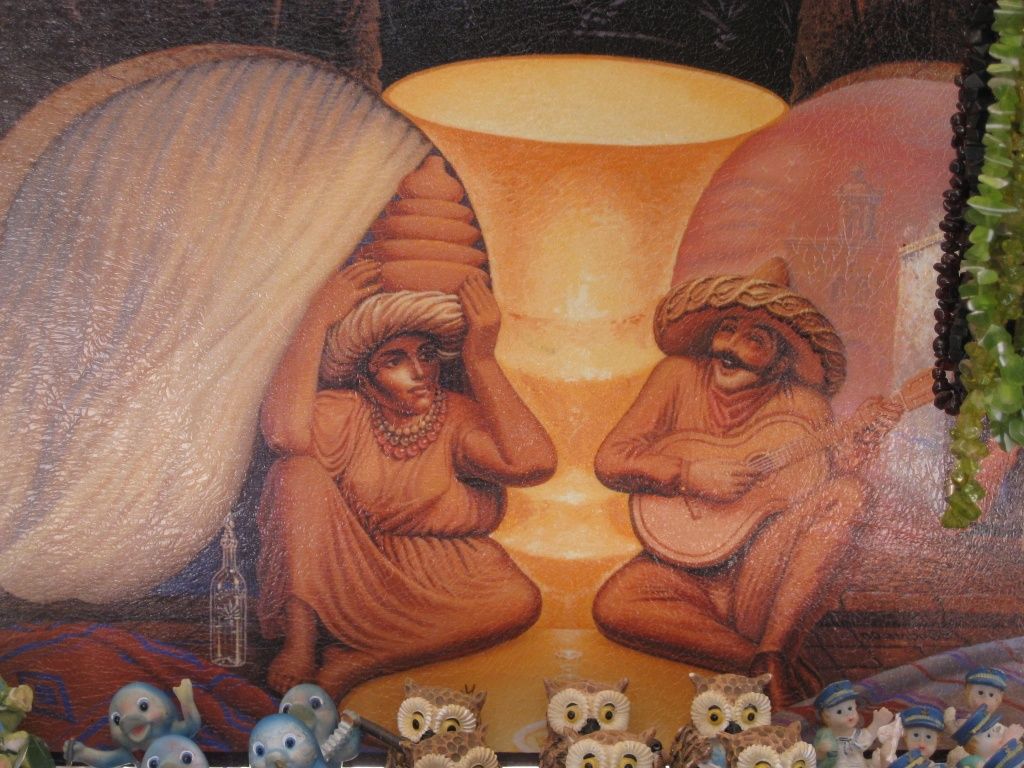
The picture that I used in this blog post is a perfect example. While you may look at it at first and see two grandparents, maybe later you notice the two guitar players. It’s all on how the picture speaks to you, and what you notice in the moment. However, I feel like in modern media, there is a type of narrative being pushed.
The Culture of Sadness and Fear

Through a lot of media, they use a lot of pathos. An example is this ASPCA picture of a dog that is malnourished. Using ethos, as this is a real-life animal that is going through something. That’s the power of visual rhetoric. It may compress these complex ideas into an immediate, emotional understanding.
Today’s digital culture emphasizes a ton on visual rhetoric. One second, you’re scrolling on TikTok, laughing at a meme, the next you’re crying at a military family being shown off their family being broken up. Visuals shape identity and truth. Filters on social media can turn into a form of self-expression into performance. News outlets use specific imagery to frame narratives. As I take journalism this semester, it’s the sad, exaggerated, fearful stories that make headlines. News channels know that happy news won’t catch interest. We also have different ways to tell stories.
EMOJIIS tell stories

To wrap up visual rheotric, and how obvious we use it. Emojis are the biggest thing we use on a daily basis. The bridge emotion and language, allowing a sassy, sarcastic, sadness to joy without any text. Brings intimacy to appear in spaces where words feel flat. Its expression, symbolism used to persuade, connect, and humanize communication in the online world. To see is to understand. Everything carries energy, intention, emotion, and a story.


Leave a Reply