
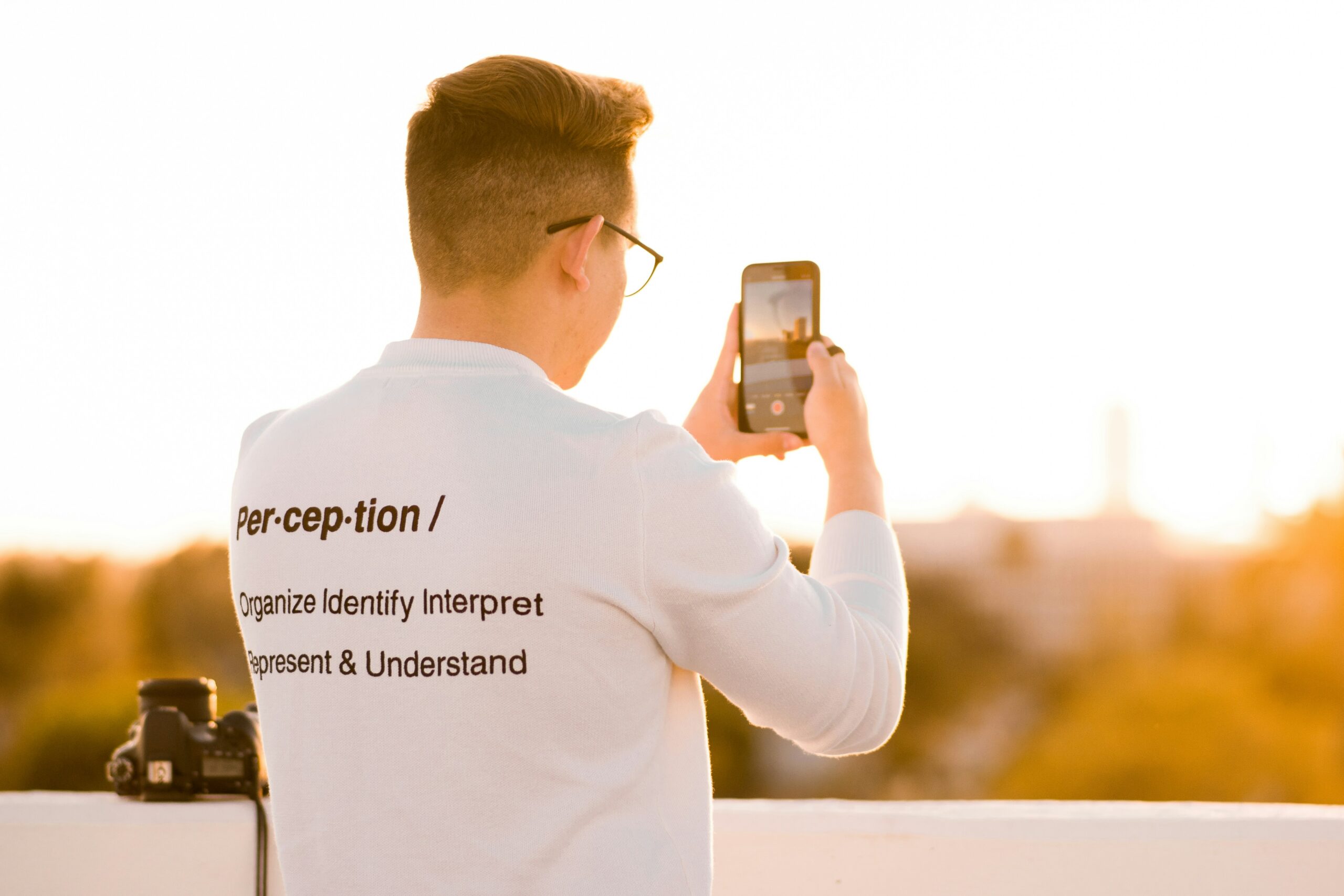
After reading the article I was left with one question: How much of our online identity is truly up to us? We log into all of our social platforms with the assumption that the programs allow us to express ourselves how we want. However, Arola explains that these platform choices often affect how others perceive us. Let’s face it, we all have an online persona whether we admit it or not (I know I do). But the question I want you to ask yourself is: How much of that did you decide?
Templates v.s coding?
One idea that stuck out to me was that social media websites use templates to control our design choices. When it comes down to creating something ourselves or editing a template, 90% of the time I’m gonna choose the template, thank you very much. Although in a broader sense, these templates are built in, such as Instagram. We choose our profile picture with unlimited changes, share posts, write bios, but we don’t control the way Instagram will present that information. Something as simple as a profile layout could have employers considering whether or not you’re a worthy hire. Arola compared Facebook and MySpace in her article, which shows how different designs allow people to present themselves in different ways.
As a person of many talents and an aspiring film director, design is just as important as content. The lighting, imagery, landscaping, and other visual elements can communicate messages without using words. This applies to social media and websites because visual elements will influence how audiences will interpret a story.
All in all, this article was eye-opening in the sense that our online identity isn’t fully ours. Many of these platforms make sharing memes, vines, and other funny cat videos with our friends easier; it limits our creativity. AI has always made me, as a creator, feel trapped. I challenge the rules of reality when I create because that’s what makes me love what I do, but AI only wants to stay in a realm of possibility. I hate that. The entire point of creativity is to make a new reality, and our imagination is a reflection of that. This article made me ponder how the internet is presenting me, rather than solely focusing on what I post.



Leave a Reply