
In chapter one of Digital Rhetoric: Theory, Method, Practice, author Doug Eyman points out the key differences between digital and analog systems; however, the line that divides digital vs. analog can oftentimes seem a bit blurred. How does digital technology look different from analog technology in today’s world? Are digital systems and analog systems created equal? These are the questions this blog aims to answer.
Digital vs. Analog
Focusing on the core characteristics separating digital and analog technologies can help construct a more distinct difference between them.
Eyman expresses that analog technologies rely on continuous signals, proportion, and resemblance, while digital technologies encode information as discrete signals that allow the data to be secure and easily replicated (p. 18-19).
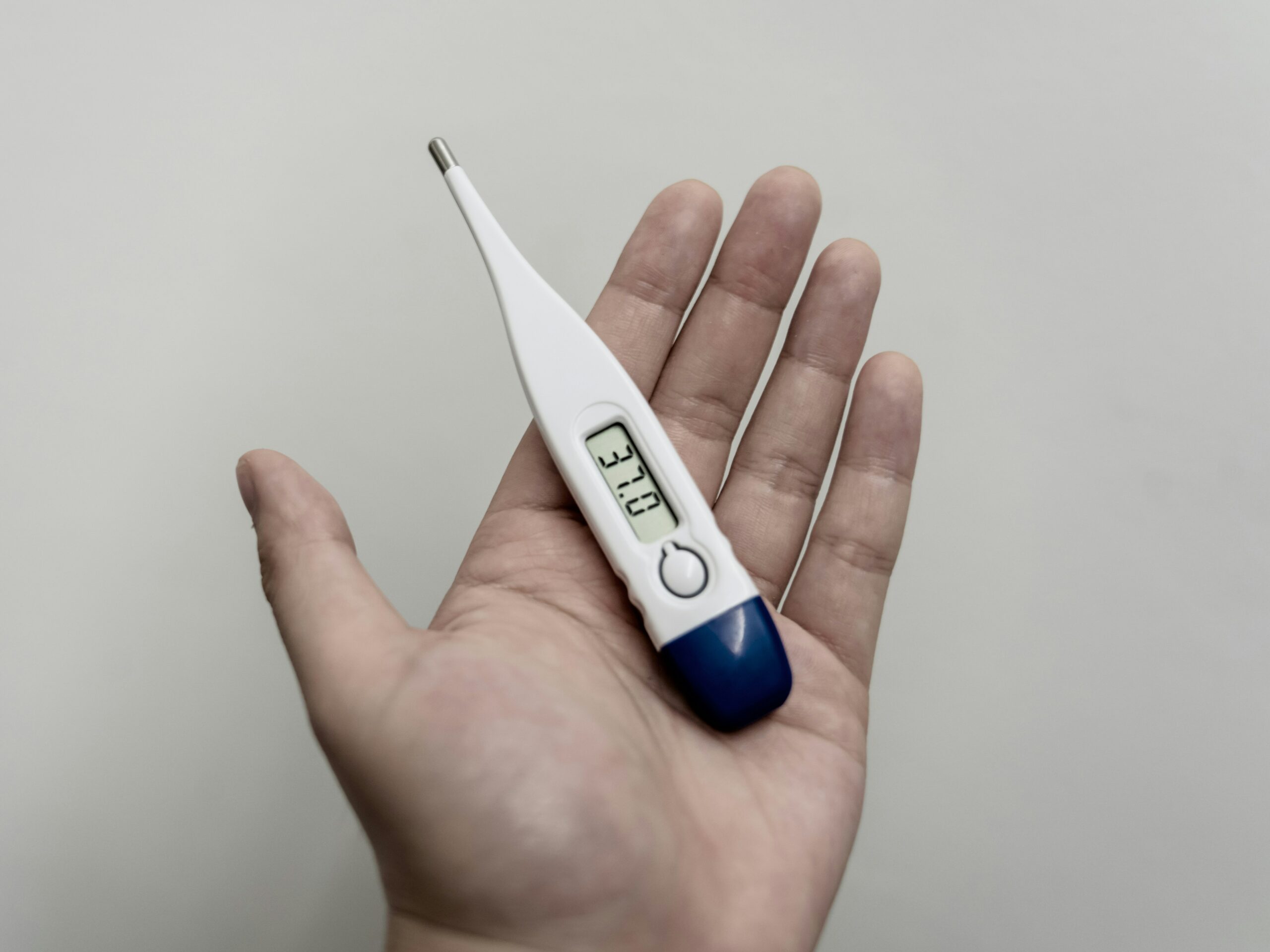
My favorite example to break this concept down is the thermometer. More specifically, the one we use to take our temperature when we feel sick. You might not think much about this handy tool, but it actually offers us incredible insight on digital vs. analog systems.
In your own home, do you use a plastic thermometer that beeps and displays your temperature on a small screen? Or do you use the glass thermometer that requires you to make a conscious effort to read between the lines to determine your precise temperature? Although both are thermometers and perform the same task, they do so in completely different ways.
The plastic, digital thermometer is an example of a digital system. These types of thermometers rapidly read your temperature, beep when complete, and display its standardized reading as xx.x°. With this, the digital thermometer takes the guesswork out of reading your temperature. However, digital thermometers may display less accurate results as they provide standardized responses and rounded numbers.
On the other hand, the glass analog thermometer uses the heat of your body to expand and push the liquid in the tube, eventually stopping at the highest temperature it detects. With this, the analog thermometer typically provides a more accurate measurement as it is based on proportion and reads to a closer degree.
Final Thoughts
In today’s world, there is truly no escaping digital technologies- from cars, to clocks, to thermometers, analog technologies are not as popular as they once were. While analog technologies typically provide more precise data, the convenience and automation that digital technologies offer their users is what fueled the fire of our modern world.


Leave a Reply