
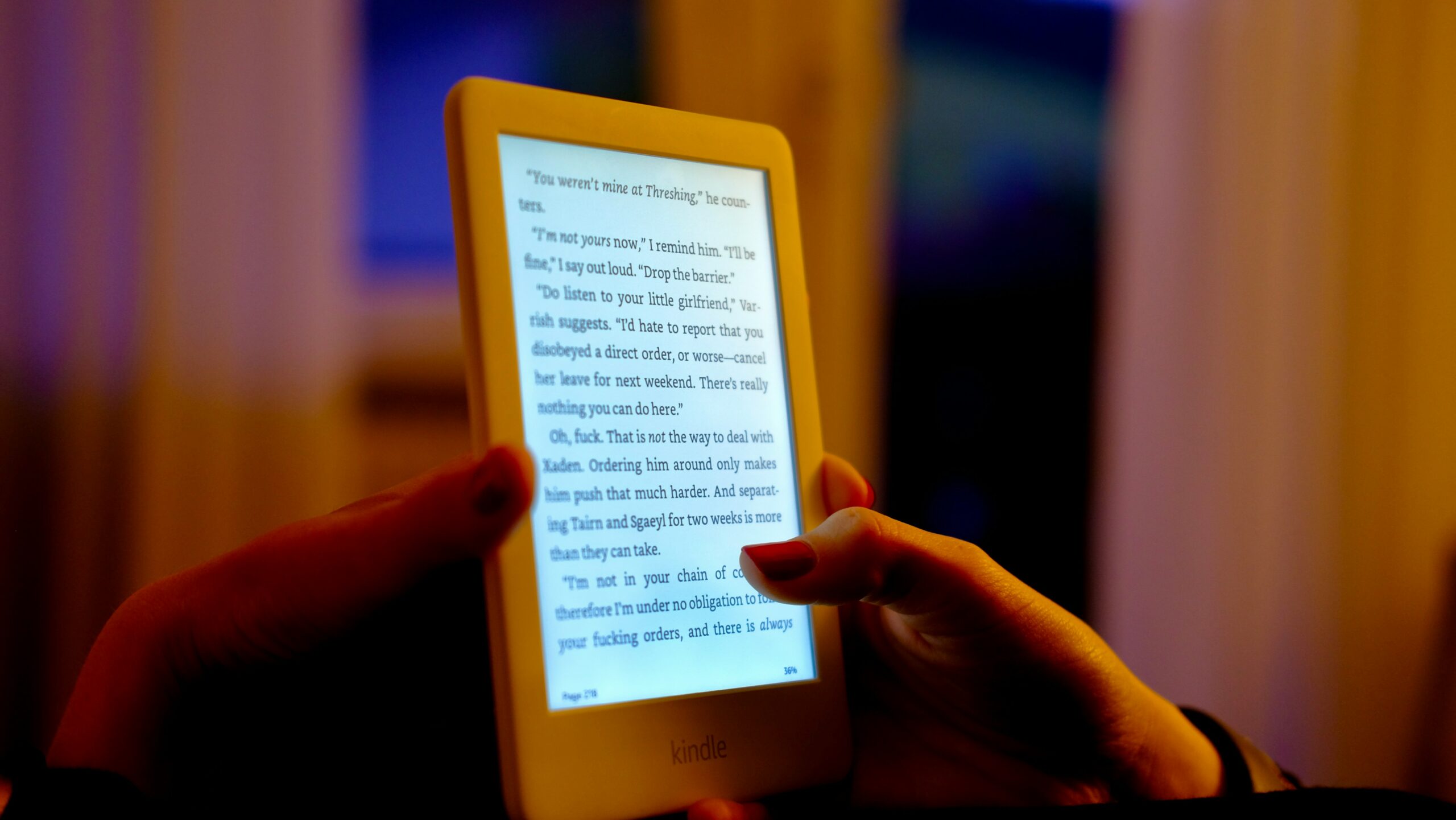
What is digital literacy?
In the past digital literacy was limited to the ability to accomplish basic skills. Such as the ability to operate digital technology and knowing how to use that technology to seek information. However, due to how integrated the internet is with digital technology, digital literacy is also conflated with internet literacy. Internet literacy includes skills like being able to maintain your digital well-being and adhering to basic online etiquette. Which I elaborate more on in my previous article Minimum Digital Literacy for Digital Writing.
Different kinds of digital rhetoric
Modern digital tech utilizes primarily audio and visual media. Mainly it utilizes visual, auditory, visual-auditory, and textual rhetoric. With the introduction of algorithms and how prevalent and influential they’ve become in online spaces scholars like Chris Ingraham have also argued for the inclusion of algorithmic rhetoric.
While all these forms of rhetoric play a role in digital. The most common form of rhetoric used in digital spaces and tech is visual rhetoric. In my previously published article, The Visuality of Digital Rhetoric, I explain how vital of a role visual rhetoric plays in relation to digital rhetoric based on an article by scholar Douglas Eyman. Visual rhetoric relies solely on sight and visual mediums to convey messages and communicate with viewers. I argue that all digital technology utilizes visual rhetoric via it’s user interface.
It’s Importance In Relation to digital literacy
While being able to use a digital device and navigate online spaces is integral to digital literacy I argue that that isn’t really enough to be considered digitally literate. An understanding of digital rhetoric should also be a skill that should be imparted on us from the get-go. Especially, since digital devices employ various kinds of rhetoric, as mentioned above.
Books are tools who text we understand can harbor the use of rhetoric to convey messages. Even the most dry straightforward text (like an instruction manual) does employ some literary and visual rhetoric to try to make that info as understandable as possible. So why shouldn’t we adopt that mindset more often when it comes to digital text?


Leave a Reply