
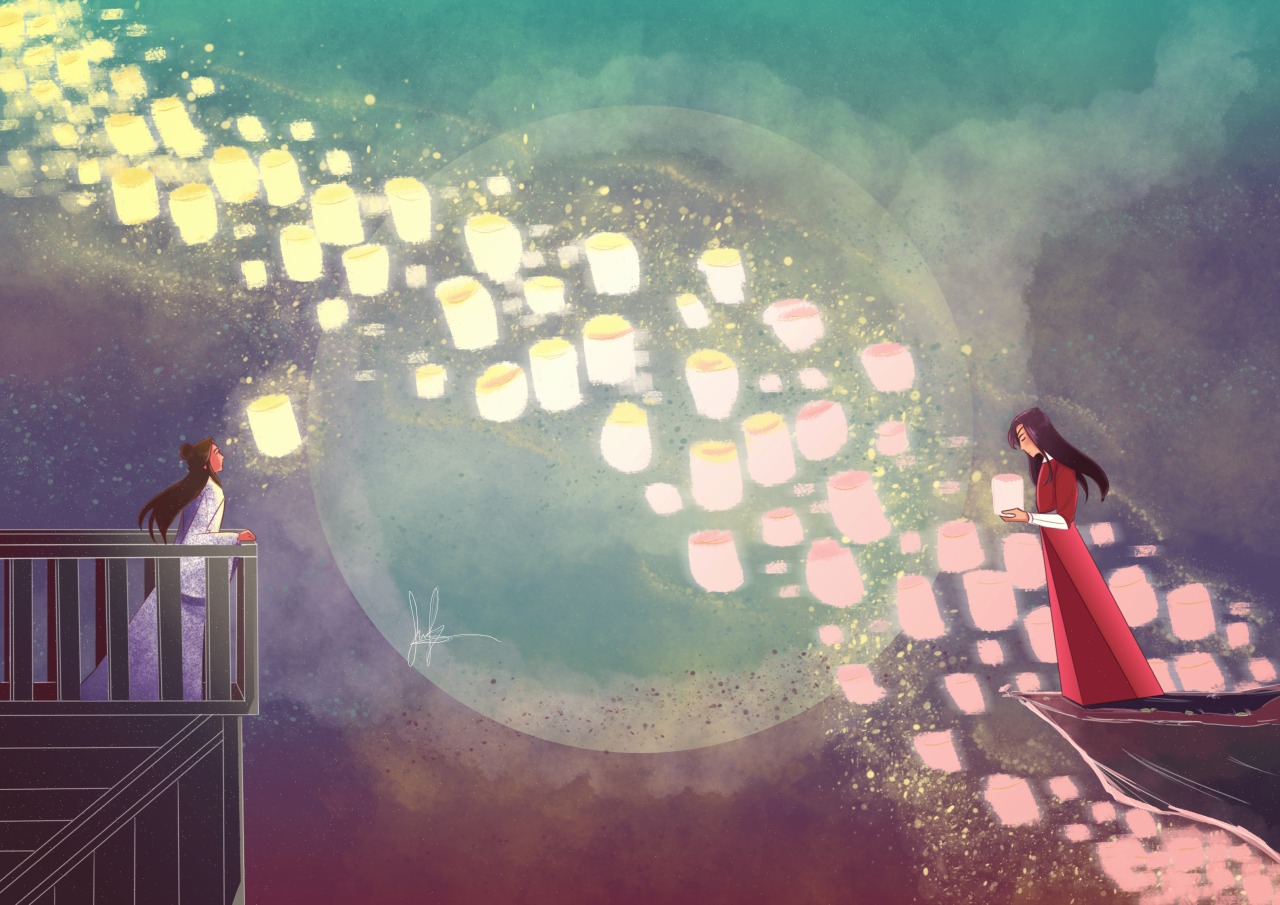
Art has existed forever with definitions as broad as the media itself. It’s paintings, songs, poems, literature, sculptures, etc. They’re things we would consider traditional media because of how they had predated the digital age.
When I say, “art” most people would probably think of taking a brush to canvas. I would like to go with that definition for the sake of this post.
The modern artist
An artist seems to be split into two categories these days. The traditional artist and the digital artist. When you say you’re the former, people expect you to carry a sketchbook and pencil around all day. Your fingers are covered in charcoal, or you have dozens of canvases lying around your house. When you say you’re the latter, the expectation is that you work with a digital art program either on your PC or your tablet. One of them has more “weight” than the other. That might align with Sven Birkens’ view on digital tools, but this post isn’t about that.
This post is about how art has come so far as to refashion the traditional ways of making art into new ways, into new media, which would fit Jay Bolter and Richard Grusin’s definition of new media. But there is an interesting phenomenon that whereas some old media becomes quickly antiquated in favor of new media (letters to emails, typewriters to laptops), that doesn’t happen with art.
Many art programs these days are designed to make the artist’s life easier. I use Krita, which is a free, open-source digital art program. Its main purpose is to design illustrations, but it has functions to also specifically storyboard, animate, or draw comics. It’s a digital multimedia tool that incorporates how artists would have made these types of art into one big convenient program.
That doesn’t mean people have stopped storyboarding, animating, or drawing comics by hand. The new media coexists with the old media, and they are constantly inspiring each other. People develop new digital brushes that imitate leaves or the textures of wooden floorboards to make illustration easier. Meanwhile, artists who still work with the traditional media of art don’t shirk the easiness of new media, but rather let it just be another tool in their arsenal for how they could better their craft.


Leave a Reply