
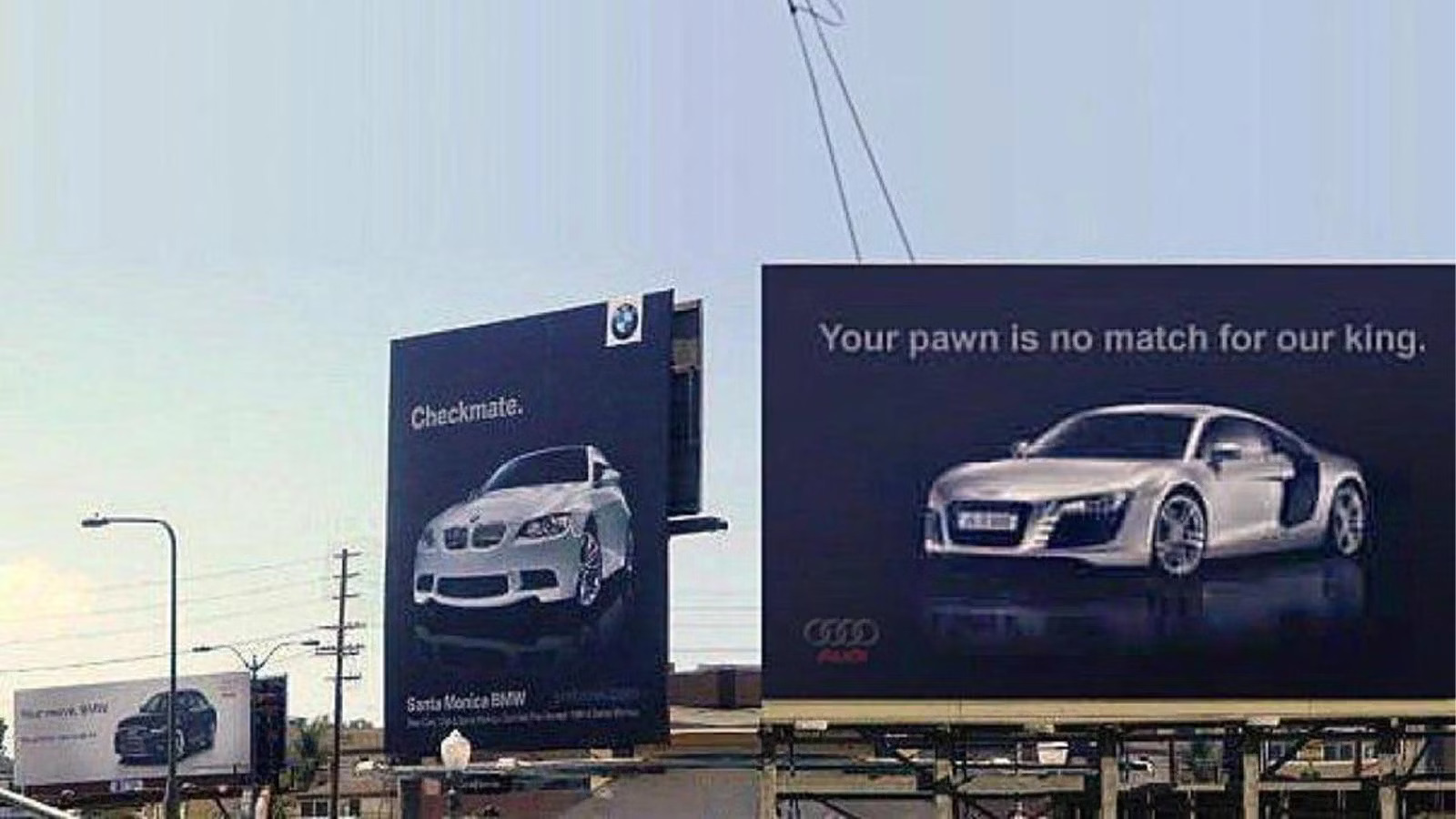
In the most simple of terms, visual rhetoric is the way that visuals persuade us. Whether that be pictures, color choice, or layout, visuals influence how we feel about our surroundings.
A Fancy Term with Everyday Power
Eyman gives us the perspective that visual rhetoric isn’t just a way to communicate, but to analyze communication as well.
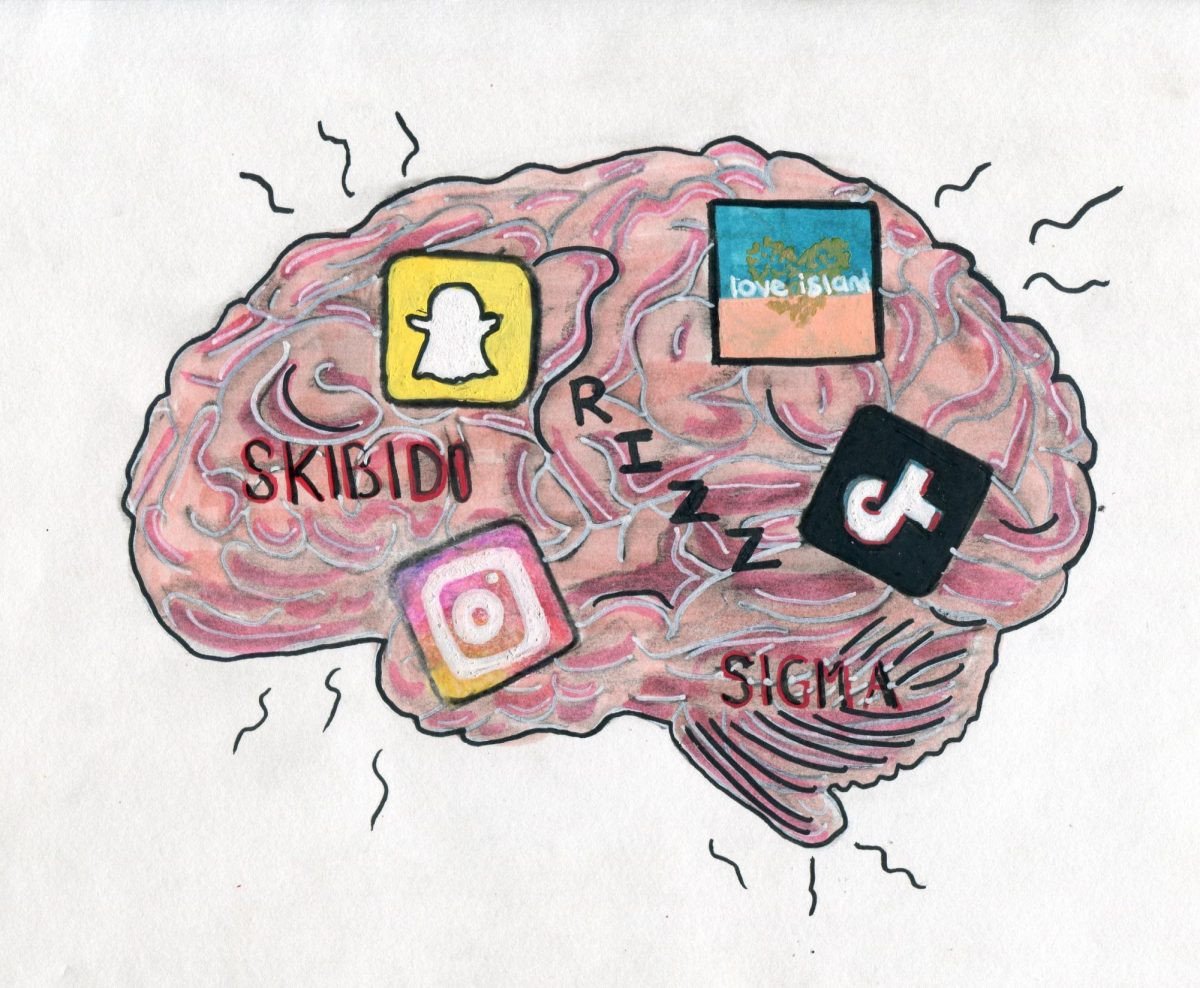
TikTok has a very intuitive layout that makes it effortless to doomscroll more and more content, the sole purpose of which being to keep you on the app for longer and longer until you eventually are so consumed by it that you have no choice but to whip out your phone and scroll for hours everyday as much as you can until your entire personality is just replaced with that is on your For You Page. Hopefully, you get the idea; this is all intentional.
Despite my earlier brevity, giving a concrete definition to “visual rhetoric” isn’t easy and is a topic for debate. Scholars Charles Hill & Marguerite Helmers note that some see visual rhetoric as analyzing images. Other people see it as studying design, and still others as examining the “gaze” (how we look). Visual rhetoric encompasses many fields, overlapping art, design, psychology, and culture.
So, What Does That Look Like in Real Life?
It might be difficult to see at first, but when you spot it, you won’t be able to stop. Every road sign, menu, and app design is trying to convey something to you deeper than just the words and images you see.
- A Stop Sign: vibrant red, with large bold text; you’re meant to take it seriously.
- A Fine Dining Restaurant’s Menu: very minimalist and oftentimes won’t include prices to convey status or refinement.
- TikTok: a very intuitive layout that makes it effortless to doomscroll more and more content, the sole purpose of which being to keep you on the app for longer and longer until you eventually are so consumed by it that you have no choice but to whip out your phone and scroll for hours everyday as much as you can until your entire personality is just replaced with that is on your For You Page.
Hopefully, you get the idea; this is all intentional.
Visual Rhetoric Goes Digital
Eyman notes that digital rhetoric often assumes visual rhetoric because everything online is visual and interactive. This makes sense because no one is gonna wanna click on, let alone stay on, a boring, unwelcoming website.
But here’s where it gets tricky: as Ian Bogost points out, digital media like video games involve processes, not just images. From a gamer’s perspective, meaning in games comes from your actions, not just visuals. This small detail shifts rhetorical power from visuals alone to how you interact with them.
Still, the actual visual appeal of what you’re looking at remains crucial. As mean as it may sound, people just aren’t all that enticed/interested in things they don’t find attractive. That exact reason is why learning how to effectively use visual rhetoric to our advantage is so important.
Your Turn: How Do You See Visual Rhetoric?
Take a second to think about your favorite app, video game, website, or movie/show. What about them visually draws you in? What colors, layouts, or other design choices make you prefer some media over others?
Leave a reply and let’s start a discussion! →
What’s an image, design, or interface that’s persuaded you without saying a single word?


Leave a Reply