
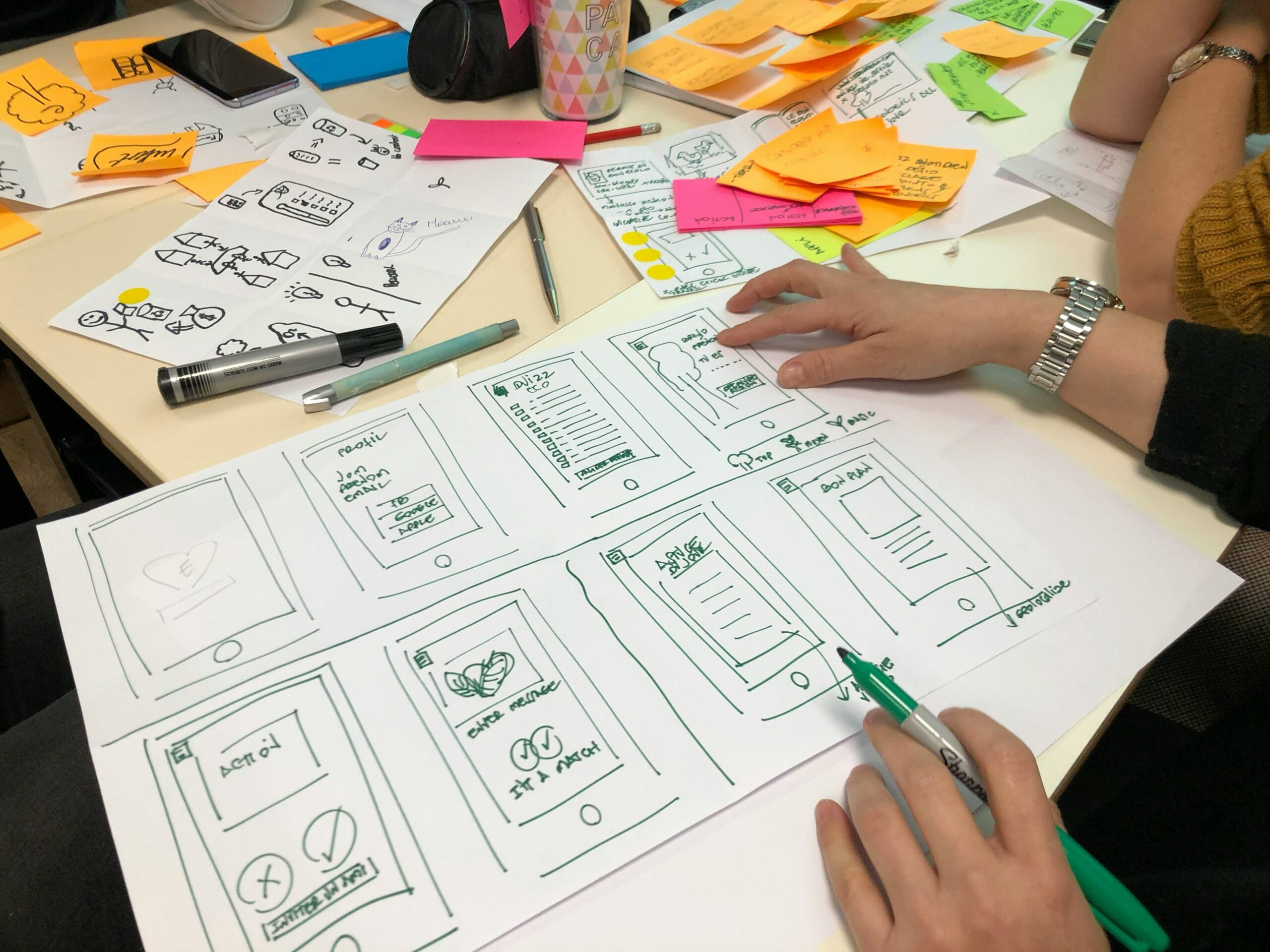
Reading Eyman’s section on visual rhetoric in “Defining and Locating Digital Rhetoric” helped me understand how deeply visual elements influence communication in digital spaces. Before this reading, I mostly thought of rhetoric as something that happened through words similar to the arguments used in building essays and speeches. Eyman’s discussion of visual rhetoric changed that perspective for me. He explains that digital rhetoric exists at the crossroads of multiple fields, including visual rhetoric, design, and digital literacy. That idea helped me realize that visuals are not just decorative features added to text. they are essential to how meaning and persuasion are built into digital environments.
One of the most valuable things I learned from Eyman is the importance of form and medium in shaping rhetorical messages. He explains that in digital contexts, the form of a message takes, meaning its layout, color scheme, and overall design, communicates just as much as the words themselves. I had never thought about how much a website’s design or a social media post’s visual structure can influence credibility, emotion, or attention.
Of course I’ve heard of terms like aesthetically pleasing and catching your eye. even outside of digital spaces when it comes to product marketing. But to take a step back and think about how simple things like changing a logo from red to blue can change the entire meaning behind it. The logo, or how a large group of people will now see it as calming rather than powerful. That is the eye opener. Eyman made me see that visuals guide interpretation and engagement. This functions as rhetorical tools that shape how audiences experience and understand information.
Visual Rhetoric As A Part Of A Whole
I also learned to view the medium as an active part of communication. The platform or technology being used, no matter what it is, affects how the message is designed, delivered, and perceived. This taught me that digital rhetoric isn’t just about what we say. It is about how technology and design help us say it. When I reflect on my own work, I now realize that when I design slides, format essays, or choose colors for my projects, I am making key rhetorical choices. Making me now approach visual design intentionally. Think about how every image, line, and layout decision contributes to the meaning I want to push forward.


Leave a Reply