
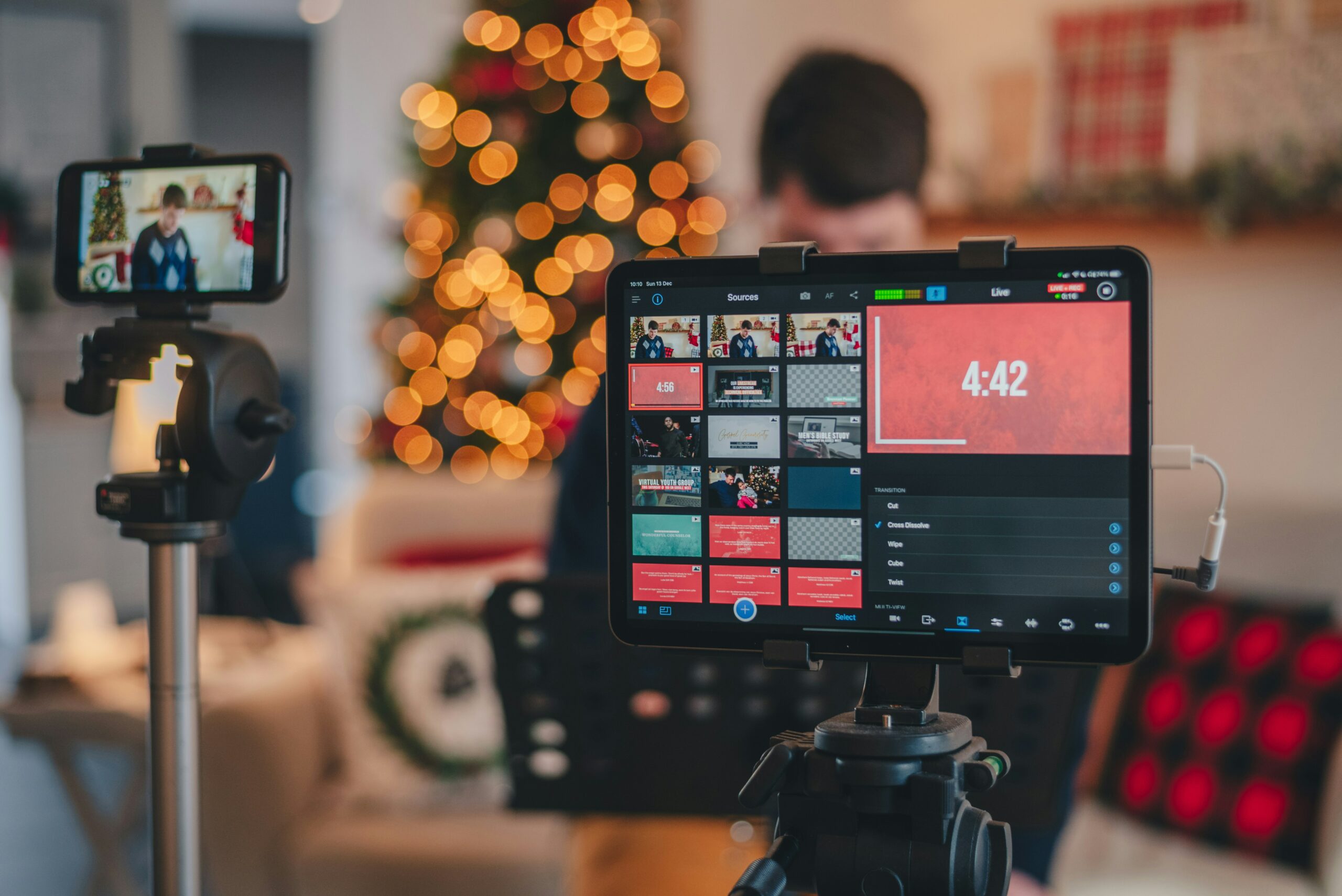
Digital Media as More Than a Myth
As Doug Eyman talks about in Defining and Locating Digital Rhetoric, he explores Lev Manovich’s idea that “digital” is not the only thing that separates new media from old. This made me think about how digital media, especially things like images, videos, and graphics, has changed the way we create and share content. Social media, websites, and videos allow us to share perfect copies of content with people worldwide. This ability to reshape and share visual content is one of the key strengths of digital media, which Eyman highlights.
Reimagining Communication Through Visual Content
Eyman also talks about fragmentation, and I can definitely relate to this. While digital media, especially visuals, makes it easier to spread ideas, it can also be overwhelming. With so much information coming at us, including many images and videos, it can be hard to stay focused on one message. The idea of creating perfect visual copies but also feeling disconnected reminds me of how, on social media, things can feel scattered and hard to follow.
Expanding the Definition of “Text”
One of the important points Eyman makes is about how we think of “text” in digital rhetoric. He says that text isn’t just written words, but can also include things like images, videos, and interactive content, which we think of as visual rhetoric. I connect with this because I use digital “texts” all the time, whether it’s a post with an image, a meme, or a video. These things communicate messages visually, and understanding that digital media is not only about written words helps me see how we share ideas in many ways today. Visual elements shape not just what we say, but how we say it.


Leave a Reply