
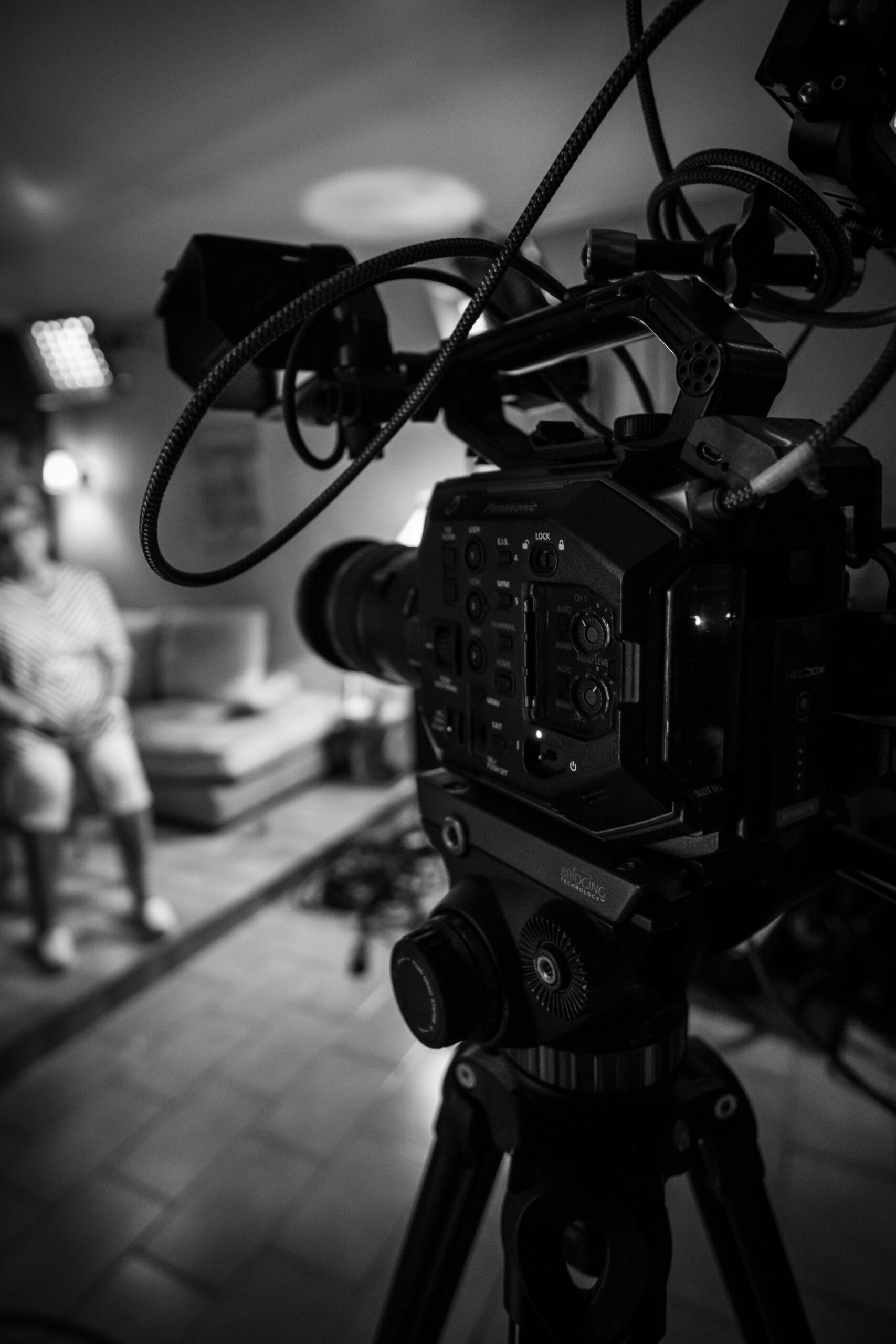
During high school, I noticed a funny trend in my honors/AP history classes. The requirement was to make a history-inspired music video on a student-chosen topic. We were allowed to pick our groupmates, the song, and the topic. In two weeks, my classmates and I were expected to present our video to our entire class.
The one that had the biggest impact on me was the one I made in my AP World History course. It was in my freshman year, and I had a few friends in the class. The content was also hard to work through, as we were assigned 25+ pages of readings every night. And I was never able to remember any of the information!
How Visuals Help Develop Literacy
However, doing the video project, the new form of media allowed me to work better. By choosing a historical event, we had to use our traditional literacy skills to help pick facts and turn them into lyrics. It had to have rhythm, and we had to pick the most important facts to repeat in the chorus. Using critical analysis helped us to build our story.
Digital literacy comes into play when we had to choose our visuals. When thinking of where we wanted to film, we had to consider: how to dress, which props to use, and how to appeal to our audience. As well, the editing style we used also had to fit the light-hearted nature we planned for, consisting of video clips jumping to one another, producing movement.
With all of these bits and pieces, we were able to share historical facts of traditional literacy. As well, digital literacy was also used when keeping the visual message and audience in mind.
Through this humiliation ritual, my classmates and I learned to engage with our studies. As well, we became producers of our learning content, which other students could access. Overall, thanks to our mastery of both, all three of us got an A for making a historical parody of Eminem’s “The Real Slim Shady.”


Leave a Reply