
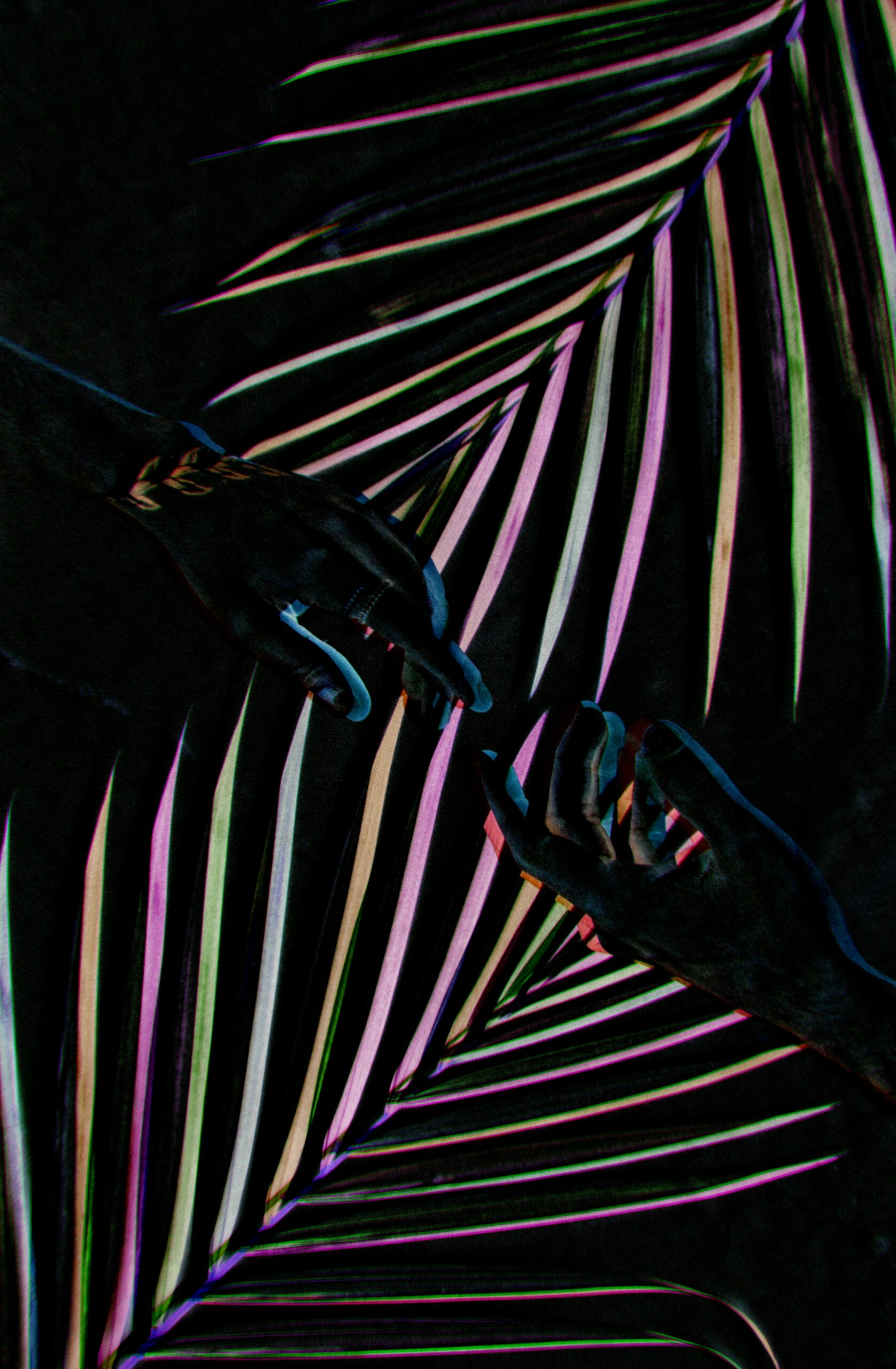
Remix
The word remix defines much of our digital age. Whether it’s music, memes, or multimedia essays, remix captures how we reshape, reuse, and reimagine old forms into something new. In the world of digital communication, remix isn’t just creative play—it’s how culture evolves. Every click, edit, and upload becomes part of an ongoing conversation between technology and expression.
Cynthia Selfe describes new media as digital texts combining sound, image, and text—forms that demand multiple literacies from readers and creators alike. Bolter and Grusin expand on this by showing that new media constantly transform older media, a process they call remediation. The result? Each new platform reinvents storytelling while borrowing from the past.
Lev Manovich takes a more technical approach, arguing that new media are built on data and computation. His five principles—numerical representation, modularity, automation, variability, and transcoding—explain how computers make creativity fluid and customizable. Every remix online, from TikToks to web design, reflects these hidden digital processes.
Anne Wysocki, however, reminds us that not all new media are digital. What matters is the designer’s awareness of a text’s materiality—its physical or visual form—and how that form shapes meaning.
Finally, Collin Brooke links new media to rhetoric, suggesting that it exists in the space where humans and technology interact. The interface becomes a site of persuasion, creativity, and connection.
In essence, new media is remix. It’s where old and new meet—where creators blend imagination, culture, and technology to keep storytelling alive in fresh, ever-changing ways.


Leave a Reply