
Category: Speaking, Writing, and Literacy
-

There’s a lot knowing here…
I am not in the know of all that knowing. Sometimes I don’t know what to write.I mean sure I can pull something out of my ass in a pinch.
-
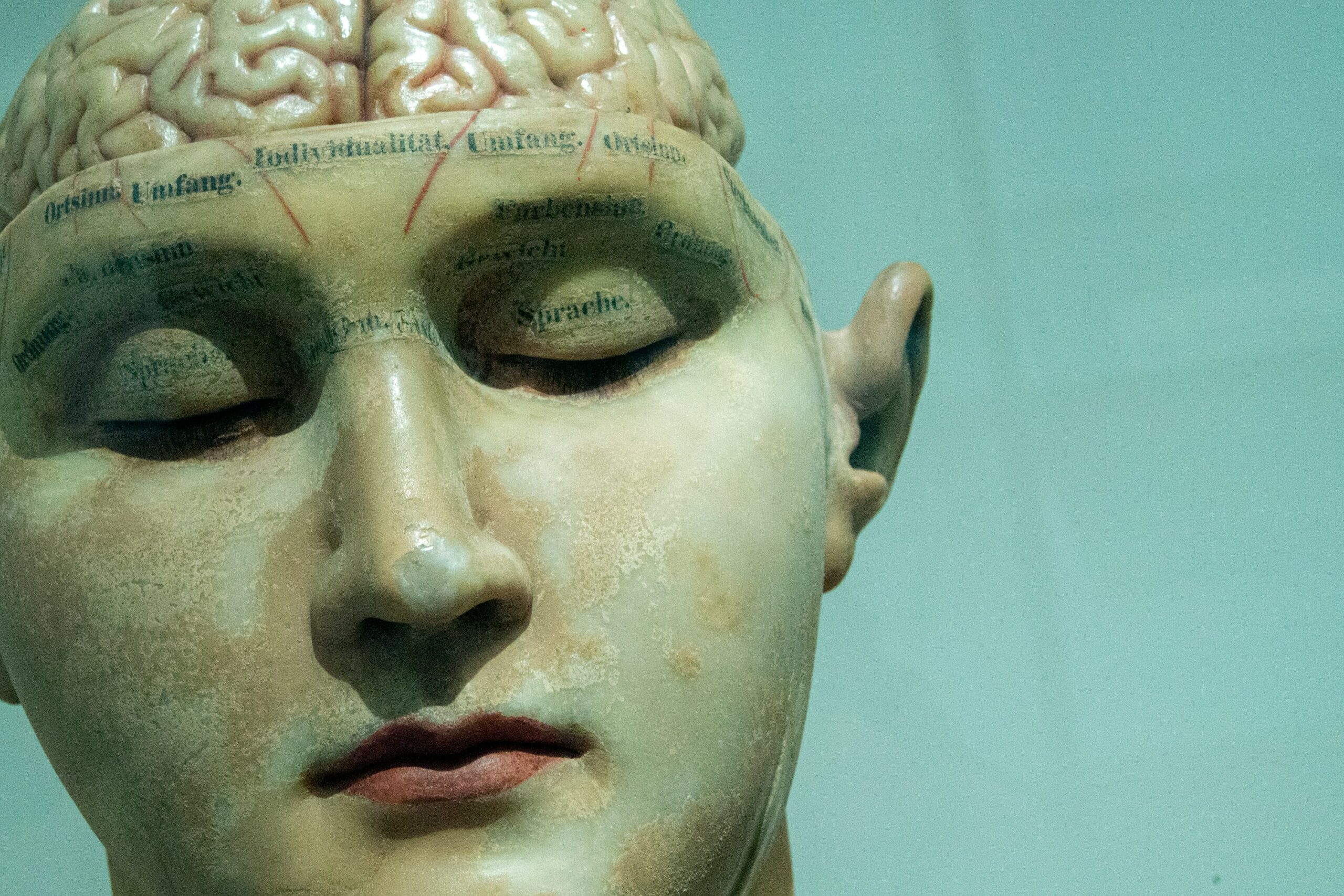
Writing, Speaking, Literacy and Consciousness
An article discussing the relationship between writing, speaking, literacy and consciousness. Inspired by the article “Speaking, writing, and literacy”.
-
Why Your Mom’s Voice Notes Are Actually Revolutionary
Ever gotten a long WhatsApp voice note from a relative when a simple text would’ve done? Or watched someone’s Instagram Story that’s basic…
-

Literacy in Reading and Technology
We know how to read and what that means in the sense of being literate. How does one be literate in other areas and subjects?
-
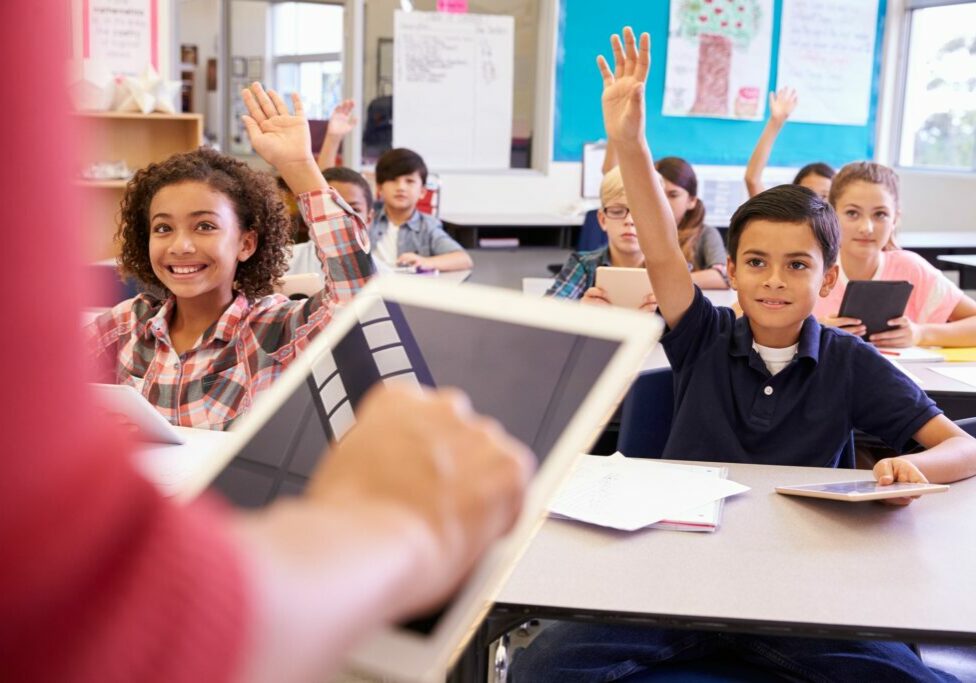
Technology in the Classroom
Applen inspired me to dig deeper into the benefits of digital and computer technologies in the classroom environment. Here’s what I found!
-

Orality Vs Written
The difference between writing text and orality. How people conveyed information before written text using oral language
-

Writing Technology
The importance of realizing that writing is a form of technology lies in its power to shape ideas, culture, and communication.
-

Evolution of Communication from Orality to Secondary Orality
Orality refers to how people communicated before the invention of writing, relying on spoken word to pass down stories and ideas. Walter Ong’s concept of “secondary orality” blends spoken communication with written texts, which is evident in modern media like podcasts, radio shows, and social media. Today, many conversations are influenced by scripts or written…
-

The Power of Writing…The Impact on Human Consciousness
How writing has transformed human consciousness, shaping our thoughts and communication in ways oral cultures could not.
-
Dynamics of New Media
Shifting dynamics of new media reflects on the evolving relationship between writing, literacy, and technology in society.
-

Transtioning
This shift challenges traditional rhetorical models and requires transitioning to new ways of constructing and sharing knowledge.
-
Communication is Power
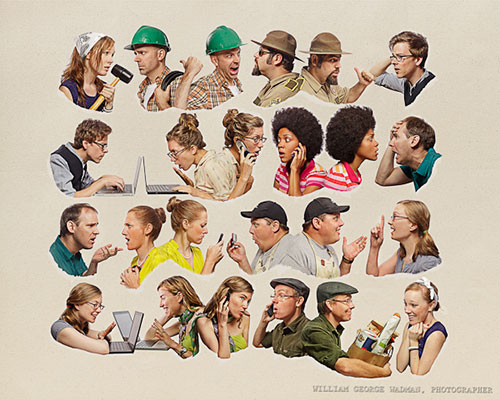
Our communication revolves entirely around speaking, writing, and literacy. However, many people struggle with these concepts.
-
Limited Ways of Learning
Applen describes the setbacks of written learning. Written words remain unchanged and “just sit there on the page” (Applen 4).
-

Physical or Digital Book?
Nothing beats the immersive experience of holding a physical book, sipping tea, and getting lost in a story with no distractions.
-

Reading Away Goldfish Memory
In “Phaedrus,” Plato worries that with literacy will come a forgetfulness. But in my case, literacy helps me remember things.