
Posting with Perseverance
Much of Catherine D’Ignazio and Lauren Klein’s “The Power Chapter” talks about the forces of oppression we often don’t even see in our daily lives. Racism, sexism, and other forms of bigotry are so deeply rooted into society, as well as the internet. The advantages that come with positions of power, also apply to users of the internet. D’Ignazio and Klein’s article reference, tennis champion, Serena Williams’ pregnancy complications, which she posted about online. Her post caused a number of women to respond with their own stories and experiences in the delivery room. The maternal health crisis was gaining more traction in the media, because of Serena Williams’ famous status and post. Serena’s posts brought more attention to the subject. Which makes one question; why power and privilege have a place in the delivery room, or healthcare at all?
Privilege is Power
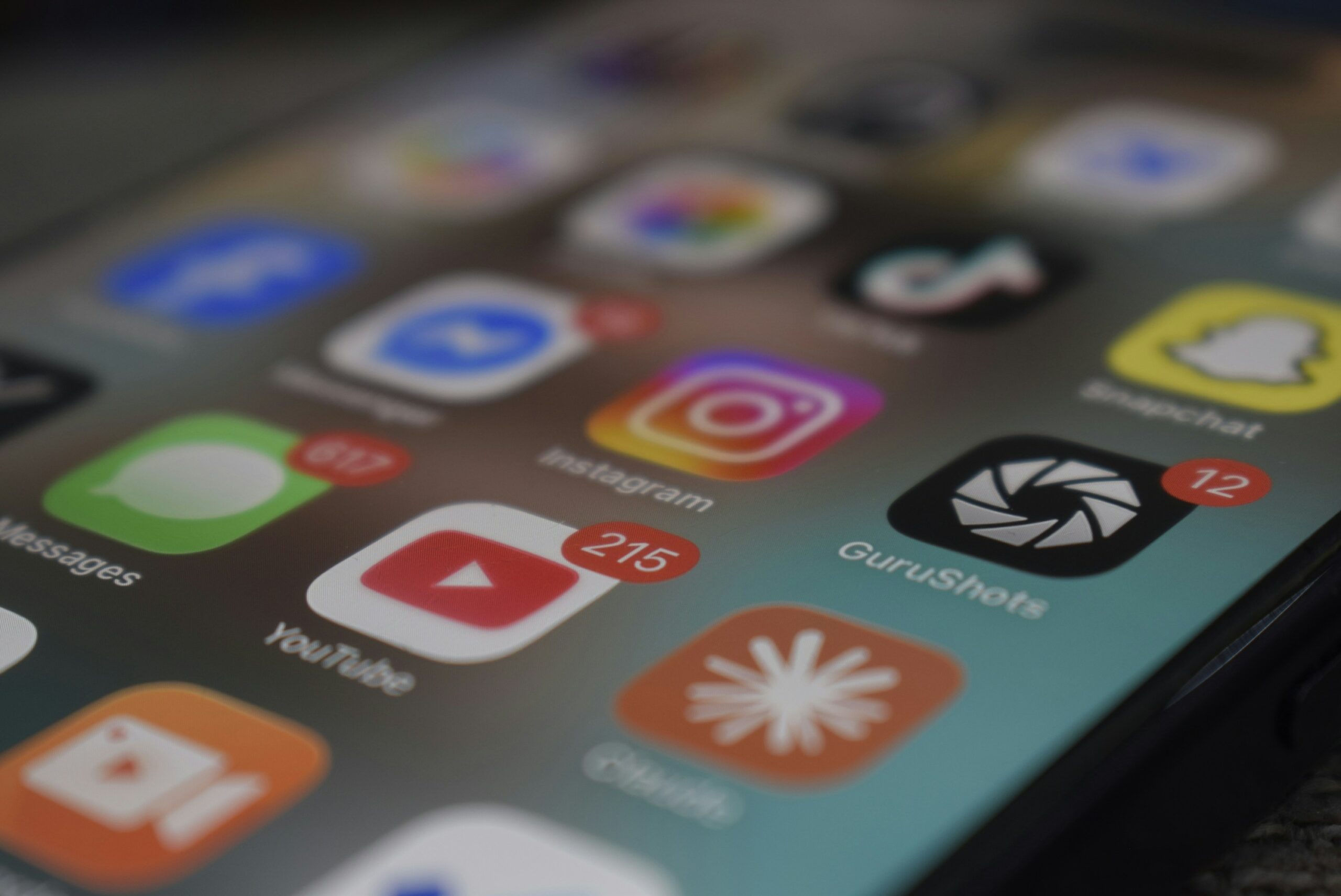
The article states that, “seeing oppression is especially hard for those… of privilege.” As a white woman, who grow up living an upper middle-class lifestyle, this would apply to me. Much of the bigotry and hate online is so confusing, mostly because I’ve never truly experienced oppression, but because there is no reason for it. The heinous comments and ideas spread across social media, always seem to come from people with no profile picture online. People spew hateful messages, promoting stereotypes that put down members of the black community, women, and other minority groups, without reproach Instead, hateful content is composed into algorithms that enforce bigoted ideas. Google searches, liked, replayed, or skipped posts, and any form of web interaction, shape the digital environment you’re a part of, connecting people who think the same. Which is not always the best thing.


Leave a Reply