
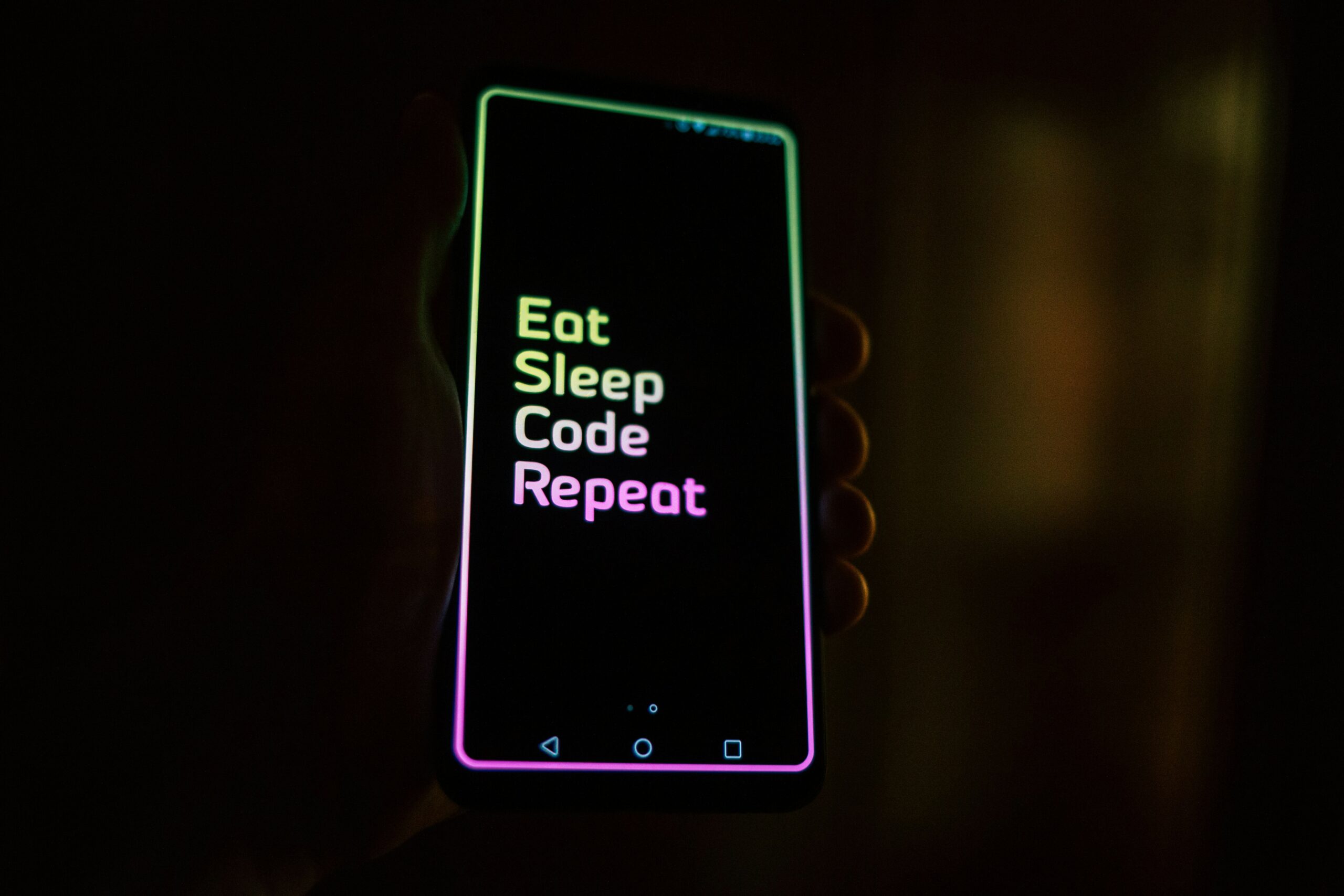
I’ll be honest, before I read Kevin Brock’s Toward the Rhetorical Study of Code, I did not know much about code or coding. I had very little knowledge of it besides the basics. I pause and rethink how I’ve been viewing programming all along. I’ve always appreciated it as a technical tool: logical, structured, and precise. I had never considered how deeply rhetorical it actually is until now.
What struck me most is that it doesn’t just function, it communicates. Not just with machines, but with people. When developers write code, they make choices that reflect their intentions, anticipate audiences, and shape user experience. That sounds a lot like rhetoric to me.
It made me realize how often we separate “technical” from “rhetorical,” as if they don’t overlap, but they do constantly. The structure of code, the clarity of comments, and even naming conventions; these all persuade, guide, and influence. They tell stories about how systems should behave and how users should interact with them.
This chapter reminded me that language takes many forms, and code is one of them. It’s a way of making meaning, of expressing logic and intention. I’ve started to see coding not just as solving problems, but as crafting something that speaks both to the machine and to the people who will engage with it.
I think it’s time we broaden our view of rhetoric to include spaces like programming. It’s not just about speeches or essays, it’s also about scripts and systems. Recognizing that doesn’t take away from the technical skill of coding; it adds depth to how we understand its impact.


Leave a Reply